

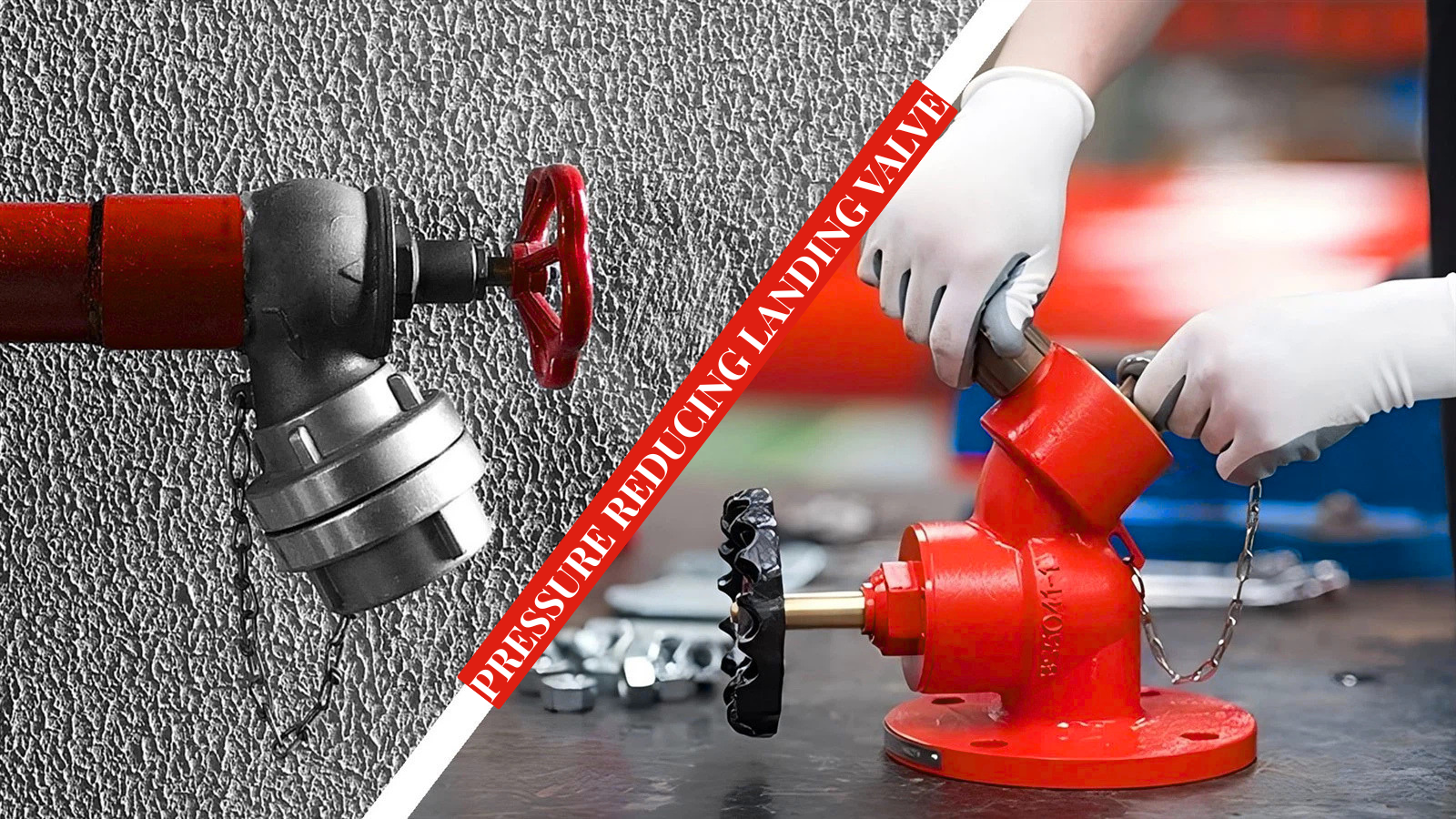
Introduction to Pressure Reducing Landing Valve
A pressure reducing landing valve (PRLV) is a key component in modern fire protection systems, especially in tall buildings where water pressure naturally becomes uneven and sometimes dangerously high. Although it looks like a simple hydrant outlet on the wall, its internal role is highly important in controlling how water is delivered during a fire emergency. Without it, firefighting operations in high-rise structures would be far more risky and difficult to manage.
In today’s building safety design, PRLVs are not optional accessories. They are part of a carefully engineered fire system that ensures water is delivered at a controlled pressure so firefighters can use hoses safely and effectively. The valve sits quietly in staircases, fire shafts, or landing points, but its job is critical when seconds matter most.
To understand its importance properly, it is useful to look at how it works, how it is built, where it is used, and why it is considered essential in fire safety engineering.
What a Pressure Reducing Landing Valve Really Does
A pressure reducing landing valve is a specialized type of fire hydrant outlet installed on vertical riser pipes inside buildings. Its main purpose is to take high-pressure water coming from the main fire line and reduce it to a safe, usable level for firefighting hoses.
In high-rise buildings, water pressure increases with height because of gravity and pump force. Without control, the pressure at lower floors can become extremely strong, while upper floors may receive inconsistent flow. This imbalance creates serious operational problems during emergencies. The PRLV solves this by ensuring every floor receives controlled and stable pressure regardless of its position in the building.
In simple terms, it works like a safety regulator between the building’s water supply system and the fire hose connection used by firefighters.
Why Pressure Control Becomes Necessary in Buildings
Fire fighting systems are designed to deliver large volumes of water quickly. However, in tall structures, the same system can produce excessive pressure at certain points. When pressure is too high, hoses become difficult to handle, and the recoil force can make them unsafe for operators. On the other hand, if pressure is too low, water may not reach the fire effectively.
This imbalance is why pressure reducing landing valves are used. They stabilize the system so that water remains within a safe and usable range. Firefighters are then able to focus on controlling the fire instead of struggling with equipment behavior.
The importance of this becomes even clearer in high-rise buildings where pressure differences between floors can be significant. Even a small miscalculation in pressure can lead to equipment failure or reduced firefighting efficiency.
| Feature | Details |
|---|---|
| Device Name | Pressure Reducing Landing Valve |
| Main Purpose | Reduces high water pressure in fire systems |
| Usage Area | High-rise buildings, malls, industries |
| Working Type | Automatic pressure control |
| Material | Gunmetal / Bronze / Stainless steel |
| Benefit | Safe and controlled firefighting water flow |
How the Valve Works Internally
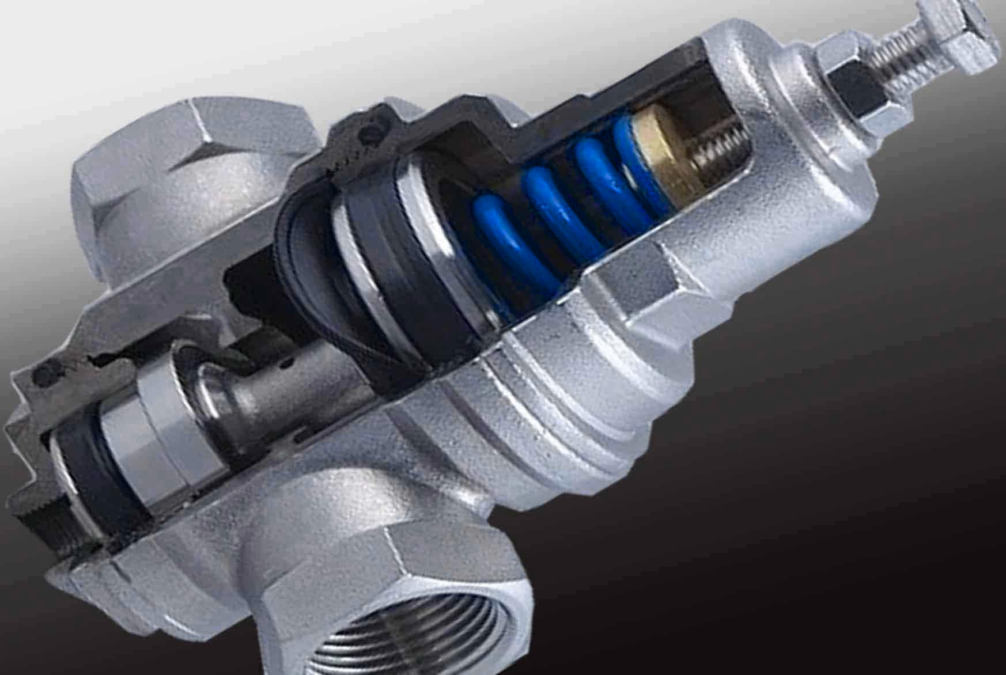
Inside a pressure reducing landing valve, there is a carefully designed mechanism that automatically controls water pressure. When high-pressure water enters the valve, it does not flow directly to the outlet. Instead, it passes through a regulating system that includes a diaphragm or spring-loaded component.
This internal system reacts to incoming pressure and adjusts the opening of the valve accordingly. If the pressure is too high, the mechanism restricts flow. If the pressure drops, it allows more water through. This continuous adjustment ensures that the outlet pressure remains steady.
What makes this system effective is its automatic response. It does not require manual adjustment during an emergency. Once installed and calibrated, it works instantly whenever water flows through it.
This reliability is one of the main reasons PRLVs are trusted in fire protection systems worldwide.
Materials and Construction Quality
The durability of a pressure reducing landing valve is essential because it must perform under extreme conditions. These valves are usually made from strong and corrosion-resistant materials such as gunmetal, bronze, or stainless steel. These materials are chosen not only for strength but also for their ability to withstand long-term exposure to water and environmental conditions.
The outer body is designed to handle high pressure without deformation. The internal components are precision-engineered to ensure smooth movement and accurate pressure control. Even small variations in design can affect performance, which is why manufacturing standards are very strict.
Each part of the valve, from the handwheel to the sealing gasket, is built to ensure reliability during emergency use. In fire situations, there is no room for mechanical failure, so every component is tested for durability and pressure resistance.
Where These Valves Are Commonly Installed
Pressure reducing landing valves are used in a wide range of buildings and facilities. Their presence is especially important in structures where fire risk is higher or where water distribution needs careful control.
They are commonly installed in high-rise residential buildings, commercial towers, shopping centers, hospitals, airports, industrial plants, and large storage facilities. In all these environments, fire safety systems must be dependable under pressure.
In hospitals, for example, quick and controlled firefighting response is essential because of sensitive equipment and patient safety. In industrial facilities, fire loads can be higher, requiring reliable water delivery systems. In skyscrapers, pressure variation across floors makes PRLVs absolutely necessary.
Role in High-Rise Fire Safety Systems
One of the most important applications of pressure reducing landing valves is in high-rise fire safety design. As buildings become taller, water pressure at different levels becomes increasingly difficult to manage. Without proper control, lower floors may experience excessive force while upper floors may not receive enough pressure.
This creates uneven firefighting conditions, which can slow down emergency response.
By installing PRLVs at each landing point, engineers ensure that every floor receives standardized pressure. This allows firefighters to operate hoses with consistent performance regardless of their location in the building.
It also improves coordination during emergencies, as multiple teams can work on different floors without pressure imbalance affecting their operation.
Advantages in Real Fire Situations
During real fire emergencies, pressure reducing landing valves provide several practical benefits. The most important is safety. Firefighters often operate in stressful and dangerous environments, and uncontrolled water pressure can add unnecessary risk. By stabilizing the flow, PRLVs reduce physical strain and improve handling of hoses.
Another important advantage is equipment protection. Fire hoses, couplings, and nozzles are designed to operate within certain pressure limits. Excess pressure can damage them or reduce their lifespan. PRLVs help prevent this by ensuring water remains within safe operational limits.
They also improve response efficiency. When water pressure is stable, firefighters can focus on extinguishing the fire rather than adjusting equipment or managing flow issues. This saves valuable time during emergencies.
Maintenance and Long-Term Performance
Like all mechanical systems, pressure reducing landing valves require regular inspection and maintenance. Over time, internal components such as seals or springs may wear out, especially if the system is exposed to continuous pressure or environmental changes.
Routine checks usually include inspection for leaks, testing of pressure regulation, cleaning of outlet connections, and ensuring smooth operation of the handwheel. Any signs of corrosion or blockage must be addressed immediately to maintain reliability.
Fire safety regulations often require periodic testing of the entire hydrant system, including PRLVs, to ensure readiness in case of emergency. Proper maintenance is essential because even a small malfunction can have serious consequences during a fire.
Design Variations and System Flexibility
Pressure reducing landing valves are not all identical. They come in different configurations depending on building design and system requirements. Some are single outlet types, while others may have angled or dual outlet designs for improved accessibility.
The selection of design depends on factors such as building layout, fire risk assessment, and water distribution requirements. Engineers choose specific models to ensure compatibility with the overall fire protection system.
Despite design differences, the core function remains the same: controlled and safe water pressure delivery.
Final Thoughts on Their Importance
A pressure reducing landing valve may look like a simple metal fitting on a wall, but its role in fire safety is extremely important. It ensures that water pressure remains controlled, equipment stays safe, and firefighters can perform their job effectively.
In modern construction, especially in high-rise environments, it is considered a critical part of fire protection engineering. Without it, fire hydrant systems would be unpredictable and potentially dangerous.
By maintaining balance between high-pressure water supply and safe operational use, the PRLV plays a silent but vital role in protecting lives and property during emergencies.
FAQs
Q: What is a pressure reducing landing valve?
A: It is a fire hydrant valve that reduces high water pressure to a safe level for firefighting use.
Q: Where is a pressure reducing landing valve used?
A: It is mainly used in high-rise buildings, malls, hospitals, and industrial fire safety systems.
Q: Why is a pressure reducing landing valve important?
A: It ensures safe water pressure so firefighters can control hoses without risk or damage.
Q: How does a pressure reducing landing valve work?
A: It automatically regulates incoming water pressure using an internal spring or diaphragm system.
Q: Does a pressure reducing landing valve need maintenance?
A: Yes, regular inspection is required to ensure proper pressure control and leak-free operation.
