


Introduction to Animal Nutrition Courses at TAFE
Animal care and agriculture industries depend heavily on proper feeding and balanced diets. Without correct nutrition, animals cannot grow properly, stay healthy, or perform their natural or production roles. One of the most practical ways to enter this field is through Animal Nutrition Courses TAFE, which are designed to teach real-world animal feeding and care skills.
The main purpose of Animal Nutrition Courses TAFE is to prepare students for careers in animal-related industries such as veterinary clinics, farms, and animal shelters. These programs are widely respected in Australia because they focus on practical, job-ready learning instead of only theory.
Practical Learning Approach
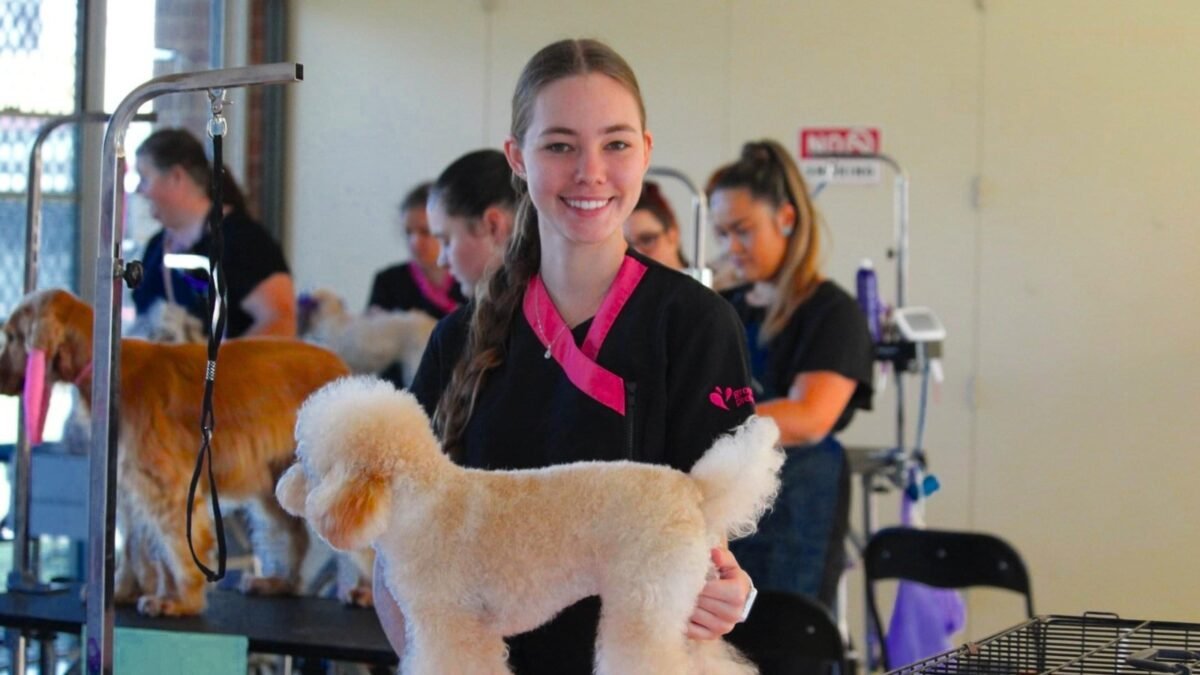
Unlike traditional university education, Animal Nutrition Courses TAFE focus strongly on hands-on experience. Students do not just read textbooks; they work directly with animals and real feeding systems.
This practical method helps learners understand how different diets affect different species. Many students choose Animal Nutrition Courses TAFE because it allows them to enter the workforce faster with real skills that employers value.
Course Structure and Study Areas
In most cases, Animal Nutrition Courses TAFE are part of broader qualifications such as Animal Care Services, Veterinary Nursing, or Animal Studies. These programs include both basic and advanced animal biology and feeding knowledge.
Students learn that every animal has different nutritional needs. For example, pets need balanced protein and fat, while farm animals require energy-rich diets for production. Horses and working animals also require special feeding systems. Through Animal Nutrition Courses TAFE, learners understand how nutrition supports growth, immunity, and productivity.
Animal Nutrition Courses TAFE – Information Table
| Category | Details |
|---|---|
| Course Name | Animal Nutrition Courses TAFE |
| Type | Vocational / Technical Education |
| Institution | TAFE (Technical and Further Education, Australia) |
| Field of Study | Animal Care, Veterinary Support, Agriculture |
| Level | Certificate II, III, IV (depending on pathway) |
| Duration | 6 months – 2 years (varies by level) |
| Entry Requirements | Basic secondary education + English skills |
| Age Requirement | Usually 16+ (varies by institute) |
| Study Mode | Classroom + Practical Training |
| Main Focus | Animal feeding, nutrition planning, health support |
| Skills Learned | Diet planning, animal handling, feed management |
| Career Options | Animal care worker, vet assistant, farm assistant |
| Industry Type | Veterinary, Agriculture, Animal Welfare |
| Salary Range | Entry to mid-level (varies by role & experience) |
| Study Purpose | Job-ready skills in animal nutrition and care |
Importance of Nutrition in Animal Health
Proper feeding is more than just giving food. It is about providing the right nutrients in the right amount. Animal Nutrition Courses TAFE teach that good nutrition helps animals grow stronger, recover from illness, and live healthier lives.
In farming, nutrition directly impacts milk production, meat quality, egg production, and wool yield. In veterinary care, diet plays a key role in prevention and recovery. Without knowledge gained from Animal Nutrition Courses TAFE, animals may suffer from malnutrition, obesity, and other health issues.
What Students Learn
One of the strongest parts of Animal Nutrition Courses TAFE is the detailed curriculum. Students begin by learning how animals digest food and how metabolism works. This helps them understand why different species require different diets.
They also study feed types like grains, hay, supplements, and commercial food. Diet planning is another major part of Animal Nutrition Courses TAFE, where students learn how to design balanced diets based on age, weight, breed, and health conditions of animals.
Nutrition and Health Connection
Animal Nutrition Courses TAFE strongly focus on the relationship between food and animal health. Poor diet can lead to serious problems such as obesity, weak immunity, and digestive diseases.
Students also learn preventive care methods in Animal Nutrition Courses TAFE, which focus on stopping diseases before they develop. This improves animal welfare and productivity in both domestic and farming environments.
Entry Requirements
The entry requirements for Animal Nutrition Courses TAFE are simple and accessible. Most entry-level programs only require basic secondary education and simple English skills.
A genuine interest in animals is more important than academic background. This makes Animal Nutrition Courses TAFE suitable for school leavers, working adults, and career changers.
Duration of Study
The length of Animal Nutrition Courses TAFE depends on the level of qualification. Certificate II may take six months to one year, while Certificate III can take up to one and a half years.
Advanced levels of Animal Nutrition Courses TAFE may take up to two years. After completion, students can continue into veterinary nursing or animal science degrees.
Skills Development
One of the most important benefits of Animal Nutrition Courses TAFE is the strong focus on practical skill development that prepares students for real-world work environments. Instead of only learning theory, students are trained through hands-on experience, which helps them understand how animal care works in everyday situations. They learn how to safely handle different types of animals, including pets, farm animals, and livestock, while ensuring both human and animal safety during feeding, cleaning, and routine care tasks.
Students also develop the ability to assess and check feed quality, which is a critical part of animal nutrition. This includes understanding ingredients, identifying poor-quality feed, and ensuring animals receive balanced diets suited to their age, health, and purpose.
Career Opportunities
After completing Animal Nutrition Courses TAFE, students can enter various career paths. Many start as animal care assistants, veterinary support workers, or farm assistants.
Others work in kennels, shelters, or pet care centers. Some graduates of Animal Nutrition Courses TAFE move into entry-level nutrition advisory roles, helping with animal feeding plans.
With experience, they can grow into veterinary nursing, livestock management, or specialized nutrition consultancy roles.
Salary and Industry Growth
Salaries in this field depend on job role and experience. Entry-level positions offer modest income, while experienced workers earn higher wages. Careers linked with Animal Nutrition Courses TAFE are part of stable and growing industries in Australia.
The demand for skilled professionals is increasing due to rising awareness of animal welfare and sustainable farming practices.
Student Life at TAFE
Student life in Animal Nutrition Courses TAFE is very practical and interactive. Instead of long lectures, students spend time in workshops, farms, and animal care facilities.
This hands-on environment helps students gain confidence and real-world experience before entering the workforce. Many learners find Animal Nutrition Courses TAFE more engaging than traditional education.
Misconceptions
Some people wrongly assume that Animal Nutrition Courses TAFE refers to a person or celebrity profile. This is incorrect. It is a study field, not an individual.
Therefore, details like age, height, family, net worth, or social media do not apply to Animal Nutrition Courses TAFE. It is purely an educational program focused on skills and training.
Future Pathways
After completing Animal Nutrition Courses TAFE, students are not limited to just entry-level jobs. In fact, this qualification can open the door to many long-term study and career opportunities in the animal care, veterinary, and agricultural sectors. Many students choose to continue their education in veterinary nursing, where they learn advanced clinical skills to support veterinarians in treating and caring for animals.
Some graduates also decide to specialize further in livestock nutrition or farm management, where they focus on improving the health and productivity of farm animals such as cattle, sheep, and poultry. These roles are especially important in modern agriculture, where proper nutrition directly affects food production quality and sustainability.
Conclusion
In conclusion, Animal Nutrition Courses TAFE provide a practical and career-focused pathway for anyone interested in working with animals. These programs combine classroom learning with real-world experience, helping students develop both knowledge and skills.
Whether working with pets, livestock, or in veterinary environments, Animal Nutrition Courses TAFE play a key role in improving animal health and productivity. It is a rewarding field with strong career growth and long-term opportunities.
