

The Bialetti moka pot gasket is one of the smallest yet most important parts of a moka pot coffee maker. Many coffee lovers focus on coffee beans, grind size, and brewing techniques, but the gasket quietly performs one of the most essential jobs inside the brewer. Without a properly working gasket, a moka pot cannot build enough pressure to brew rich and flavorful coffee correctly.
A moka pot is designed to use steam pressure to force hot water through coffee grounds. During this process, the gasket creates a tight seal between the upper and lower chambers of the moka pot. This seal prevents steam from escaping and allows pressure to develop properly inside the coffee maker. If the gasket becomes worn, cracked, or hardened, the moka pot may leak, sputter, or produce weak coffee.
The Bialetti moka pot gasket has become a popular replacement item for moka pot users around the world because regular maintenance helps improve both brewing performance and safety. Whether someone uses a traditional aluminum moka pot or a modern stainless-steel version, the gasket remains an important part of daily coffee preparation.
Introduction to the Bialetti Moka Pot Gasket
The gasket is a circular ring made from rubber or silicone material. It sits beneath the metal filter plate inside the upper section of the moka pot. Although it appears simple, its role is extremely important because the entire brewing process depends on pressure control.
When water inside the lower chamber begins to heat, steam pressure pushes the hot water upward through the coffee grounds and into the upper chamber. The gasket keeps the two chambers sealed tightly during this process. Without this airtight seal, pressure escapes from the sides, making the moka pot brew incorrectly.
Most modern Bialetti moka pot gaskets are available in two main materials: traditional rubber and food-grade silicone. Both types work effectively, but silicone versions are becoming increasingly popular because they last longer and resist heat better.
Coffee enthusiasts often replace their gasket regularly because a fresh gasket improves flavor, prevents leaks, and keeps the moka pot functioning properly for many years.
History of the Bialetti Moka Pot
The moka pot was invented in 1933 by Italian engineer Alfonso Bialetti. His goal was to create a simple stovetop coffee maker that allowed families to prepare rich espresso-style coffee at home without expensive café machines.
The original Bialetti moka pot quickly became one of Italy’s most famous kitchen inventions. Its classic octagonal aluminum design is still recognized worldwide today. Over the decades, the moka pot spread across Europe, South America, and many other regions where strong coffee is appreciated.
As the popularity of the moka pot grew, replacement parts such as filters, valves, and gaskets became important accessories for long-term maintenance. The gasket, in particular, became one of the most commonly replaced parts because it experiences constant heat and pressure during brewing.
Today, Bialetti remains one of the most respected coffee equipment brands in the world, and moka pot users continue to rely on quality gaskets for smooth brewing performance.
What Is a Bialetti Moka Pot Gasket?
A Bialetti moka pot gasket is a sealing ring placed inside the upper chamber of the moka pot. It sits around the metal filter plate and helps create an airtight connection between the top and bottom sections of the brewer.
The gasket performs several important functions during brewing. It helps maintain steam pressure, supports smooth coffee extraction, prevents leaks, and ensures safe operation while the moka pot is heated on the stove.
Without a working gasket, the moka pot may struggle to build enough pressure. This often results in coffee brewing too slowly, unevenly, or not at all. Steam may also escape from the sides of the pot instead of moving water through the coffee grounds.
Although the gasket is small and inexpensive, it plays a major role in producing rich and flavorful coffee.
| Feature | Details |
| Product Name | Bialetti Moka Pot Gasket |
| Category | Coffee Maker Accessory |
| Brand | Bialetti |
| Main Purpose | Creates an airtight seal in a moka pot |
| Material Types | Rubber and Silicone |
| Used In | Bialetti Moka Pots |
| Function | Maintains brewing pressure and prevents leaks |
| Common Sizes | 1-Cup, 3-Cup, 6-Cup, 9-Cup, 12-Cup |
| Color Options | White, Transparent, Black |
| Lifespan | Around 6–12 months depending on usage |
| Cleaning Method | Warm water and gentle cleaning |
| Replacement Needed When | Cracked, hard, leaking, or worn out |
| Best Feature | Improves coffee extraction and brewing safety |
| Popular Choice | Silicone gasket for longer durability |
| Availability | Online stores and kitchenware shops |
| Maintenance Level | Easy |
| Compatible With | Aluminum and stainless-steel moka pots |
| Brewing Benefit | Helps produce rich and flavorful coffee |
| Country of Origin | Italy |
| Ideal Users | Coffee lovers and moka pot users |
Why the Gasket Is So Important
The gasket is one of the key components that determines how well a moka pot performs. Even if high-quality coffee beans are used, a damaged gasket can negatively affect the brewing process.
One of the gasket’s main responsibilities is pressure control. Moka pots rely on steam pressure rather than electricity or pumps. The gasket keeps this pressure sealed inside the brewer until the hot water rises through the coffee grounds. If steam escapes, pressure drops and extraction becomes weak.
The gasket also affects coffee flavor. Stable pressure helps create balanced extraction, resulting in stronger aroma and fuller taste. Old or leaking gaskets often produce watery coffee with less body and intensity.
Another important benefit is safety. Because moka pots operate under heat and steam pressure, the gasket helps keep the brewing process controlled and secure. A faulty gasket can lead to irregular sputtering or leaks around the edges of the pot.
In addition, a good gasket helps keep brewing cleaner by preventing coffee and steam from escaping onto the stove.
Different Types of Bialetti Moka Pot Gaskets
There are two common types of moka pot gaskets available today: rubber gaskets and silicone gaskets.
Traditional rubber gaskets were used in classic Bialetti moka pots for many years. They are soft, flexible, and affordable. However, rubber naturally wears out over time because of repeated exposure to heat and moisture. Rubber gaskets can become hard, brittle, or cracked after months of regular use.
Silicone gaskets have become increasingly popular among modern coffee enthusiasts. These gaskets are made from food-grade silicone that resists high temperatures better than rubber. Silicone remains flexible longer and generally provides a more durable seal.
Many coffee lovers prefer silicone because it lasts longer, absorbs fewer odors, and requires less frequent replacement. Although silicone gaskets may cost slightly more, many users consider them a worthwhile upgrade for long-term performance.
Both rubber and silicone versions work effectively when maintained properly.
Signs That Your Gasket Needs Replacement
Like all brewing components, the gasket eventually wears down with regular use. Recognizing the warning signs early helps prevent brewing problems and improves coffee quality.
One common sign is steam leaking from the sides of the moka pot during brewing. This usually indicates that the gasket is no longer sealing properly.
Another warning sign is weak or watery coffee. Poor pressure caused by a worn gasket can reduce extraction strength and flavor intensity.
Visible cracks or hardening are also signs that replacement is necessary. Rubber gaskets especially tend to become brittle after repeated heating cycles.
Some users notice that the moka pot becomes more difficult to tighten securely. Others experience loud sputtering or uneven coffee flow during brewing.
If the gasket appears flattened, damaged, or discolored, it is usually time for a replacement.
How Often Should a Gasket Be Replaced?
The lifespan of a Bialetti moka pot gasket depends largely on how often the moka pot is used.
For people who brew coffee daily, replacement every three to six months is often recommended. Frequent heat exposure gradually weakens the gasket over time.
Occasional users may only need to replace the gasket once every year. Silicone gaskets generally last longer than rubber versions and may require fewer replacements.
Cleaning habits also affect gasket lifespan. Coffee oils and moisture can accelerate wear if the moka pot is not cleaned properly after use.
Regular inspection is the best way to determine when replacement is needed.
How to Replace a Bialetti Moka Pot Gasket
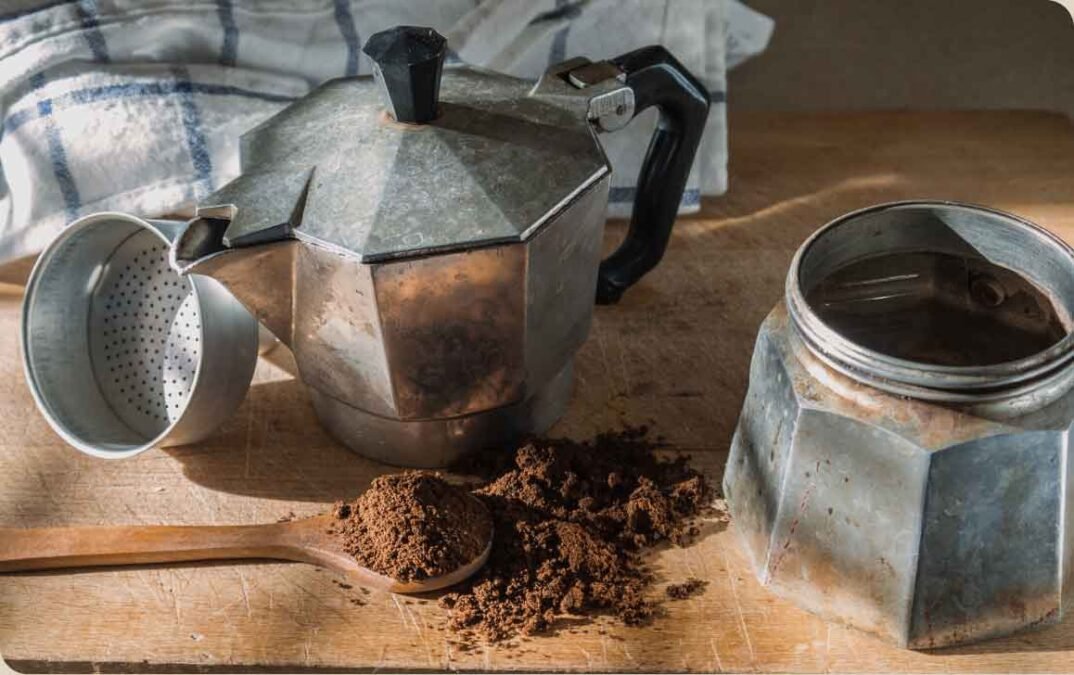
Replacing the gasket is simple and usually takes only a few minutes. First, allow the moka pot to cool completely before handling it. Once cooled, unscrew the upper chamber from the base.
Inside the upper chamber, gently remove the metal filter plate using fingers or a spoon. Beneath the filter plate sits the old gasket ring. Carefully remove the gasket from its groove.
Before installing the new gasket, clean the inside area thoroughly to remove coffee oils and residue. Once clean, place the new gasket evenly around the filter plate and press it into position.
Reinsert the filter plate securely and reassemble the moka pot. A correctly installed gasket should create a firm and even seal between the chambers.
Most replacement kits include both the gasket and filter plate together.
Cleaning and Maintenance Tips
Proper maintenance can significantly extend gasket life and improve brewing performance.
After every use, rinse the moka pot with warm water. Avoid harsh chemical detergents because they may damage rubber components and affect coffee flavor.
Always dry the moka pot thoroughly before storage. Excess moisture trapped inside can weaken the gasket over time.
Many coffee enthusiasts recommend storing the moka pot loosely assembled rather than tightly closed. This helps reduce constant pressure on the gasket during storage.
Regularly inspect the gasket for cracks, hardening, or discoloration. Replacing it early helps prevent larger brewing issues later.
Common Problems Caused by Old Gaskets
A worn-out gasket can create several brewing problems that directly affect coffee quality and brewing consistency.
Steam leaks are among the most common issues. Escaping steam reduces internal pressure and prevents proper extraction.
Old gaskets may also cause uneven water flow through the coffee grounds, leading to inconsistent flavor.
Some moka pots begin sputtering aggressively when the gasket no longer seals properly. Others produce coffee with weaker aroma and thinner texture.
In severe cases, the moka pot may stop brewing before all water reaches the upper chamber.
Most of these issues can be solved quickly by replacing the gasket with a fresh one.
Why Silicone Gaskets Are Becoming More Popular
Silicone gaskets continue to grow in popularity because they offer several advantages over traditional rubber.
One major benefit is heat resistance. Silicone handles repeated heating cycles better and maintains flexibility longer.
Silicone also resists cracking and drying out, which helps extend its lifespan. Many users appreciate that silicone absorbs fewer coffee odors and stains compared to rubber.
Because of these advantages, many moka pot owners now choose silicone replacement kits for better long-term reliability and easier maintenance.
Final Thoughts
The Bialetti moka pot gasket may seem like a small accessory, but it plays a major role in brewing rich and flavorful coffee. From maintaining pressure to preventing leaks and supporting safe brewing, the gasket is essential to the entire moka pot system.
Regular cleaning, inspection, and replacement help keep the moka pot functioning efficiently for years. Whether using a traditional rubber gasket or upgrading to silicone, proper maintenance improves coffee quality and brewing consistency.
For coffee lovers who enjoy stovetop espresso-style coffee, understanding the importance of the moka pot gasket can make a noticeable difference in the daily brewing experience.
FAQs
Q: What is a bialetti moka pot gasket?
A: It is a rubber or silicone seal that sits inside the moka pot lid to prevent steam and pressure leaks.
Q: How often should I replace a bialetti moka pot gasket?
A: Usually every 6–12 months, depending on use and wear.
Q: What material is used in a bialetti moka pot gasket?
A: Most are made from heat-resistant rubber or silicone.
Q: How do I know my bialetti moka pot gasket needs changing?
A: If steam leaks, coffee tastes weak, or the seal looks cracked or loose.
Q: Can I clean a bialetti moka pot gasket?
A: Yes, rinse it gently with warm water, but avoid harsh detergents or scrubbing.
