

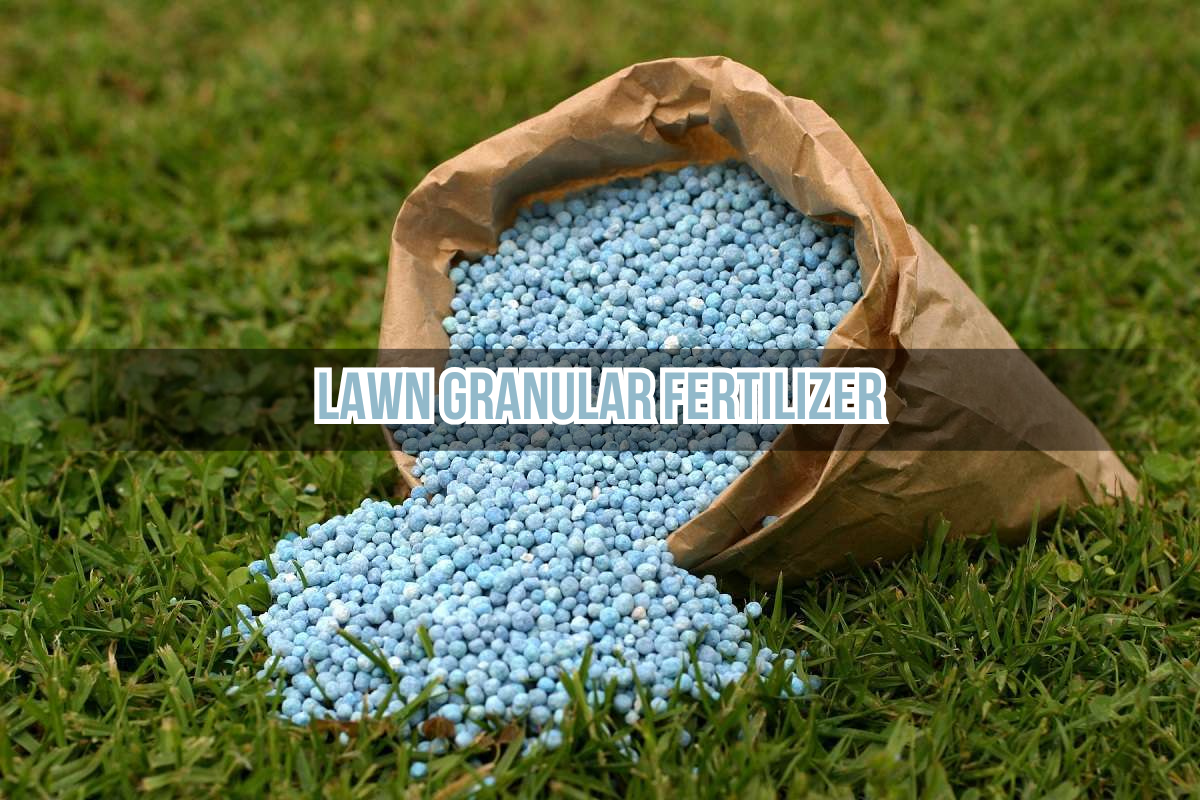
Lawn care is not just about watering grass or cutting it regularly. A healthy lawn depends heavily on the nutrients present in the soil. Without proper feeding, even well-watered grass can turn dull, weak, and patchy over time. One of the most effective and widely used solutions for this problem is lawn granular fertilizer.
This type of fertilizer is used in gardens, parks, sports grounds, and home lawns because it provides slow and steady nutrition to the soil. Instead of giving grass a sudden boost, it works gradually and supports long-term growth. In this article, we will explore everything about lawn granular fertilizer in detail, including how it works, its types, benefits, usage methods, and even a creative “profile-style” explanation to make it easier to understand.
What is Lawn Granular Fertilizer
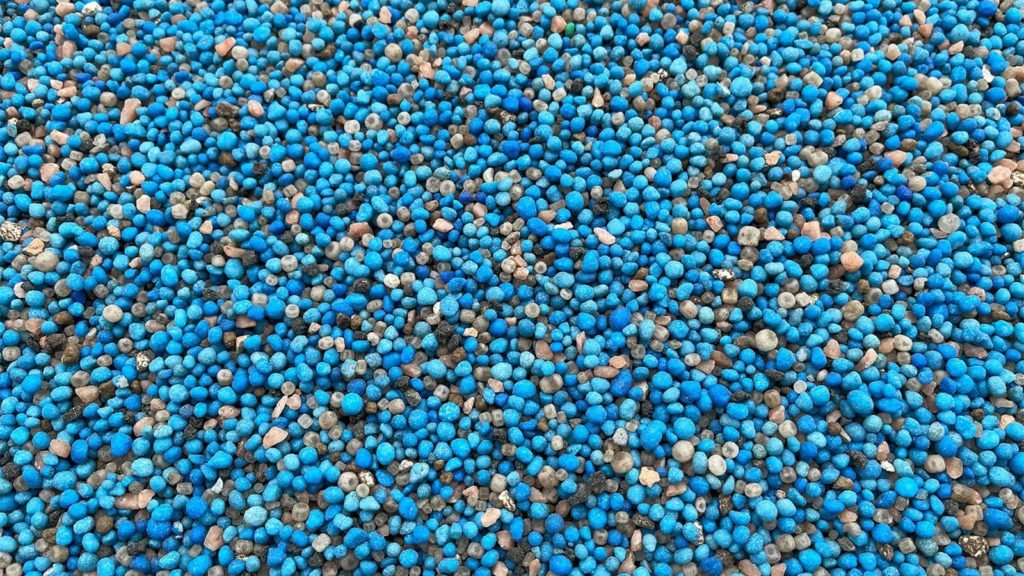
Lawn granular fertilizer is a dry form of fertilizer that comes in small pellet-like grains. These granules are designed to be spread evenly across the lawn surface. Once applied, they remain on the soil until they are activated by water from rain or irrigation.
After getting wet, the granules slowly dissolve and release nutrients into the soil. These nutrients are then absorbed by grass roots over time. Unlike liquid fertilizers that act quickly and fade fast, granular fertilizers work in a controlled and long-lasting way. This makes them ideal for people who want a low-maintenance but effective lawn care solution.
Most granular fertilizers are formulated with a balanced mix of nutrients that help grass grow thicker, greener, and stronger. They also help improve soil health gradually, which supports long-term lawn stability.
How It Works in Soil
The working process of lawn granular fertilizer is simple but very efficient. After spreading it on the lawn, the granules sit on the surface until moisture activates them. This moisture usually comes from watering or natural rainfall.
Once water reaches the granules, they begin to break down slowly. The nutrients are released into the soil in small amounts instead of all at once. Grass roots absorb these nutrients as needed, which helps maintain consistent growth without stressing the plant.
This slow-release mechanism is very important because it prevents nutrient overload. Too many nutrients at once can damage grass, but gradual feeding ensures that the lawn stays healthy and balanced over time.
Main Nutrients Inside
Most lawn granular fertilizers are built around three essential nutrients known as NPK. These are the foundation of plant nutrition and each one plays a different role in lawn health.
Nitrogen helps the grass grow green and lush. It is responsible for the fresh, vibrant color that most people want in their lawns. Phosphorus supports strong root development, which allows grass to anchor deeply into the soil. Potassium improves resistance against heat, drought, and diseases, making the lawn more durable under stress.
Some fertilizers also include additional micronutrients like iron and magnesium, which enhance soil quality and improve the overall strength of grass. The exact composition depends on the type of soil and the needs of the lawn.
Types of Lawn Granular Fertilizer
There are different types of granular fertilizers, and each one serves a different purpose depending on lawn conditions and maintenance goals.
Slow-release fertilizers are the most popular because they feed the lawn gradually over weeks or even months. They are ideal for homeowners who want steady results without frequent applications. Quick-release fertilizers, on the other hand, work much faster and can green up a lawn in just a few days, but they require more regular use.
Organic granular fertilizers are made from natural materials like compost, manure, and plant-based ingredients. These improve soil health over time and are considered environmentally friendly. Synthetic fertilizers are chemically formulated to provide precise and fast nutrition, making them useful for controlled lawn management.
Benefits of Using Granular Fertilizer
Using lawn granular fertilizer provides many long-term benefits for grass and soil health. One of the biggest advantages is that it promotes steady and healthy grass growth. Instead of sudden spikes, the lawn grows evenly and becomes thicker over time.
It also strengthens the root system, which is essential for a stable and drought-resistant lawn. A strong root system helps grass survive harsh weather conditions and recover faster from damage. Another benefit is that dense, healthy grass naturally reduces weed growth because weeds struggle to compete for nutrients and space.
Granular fertilizer also supports long-lasting feeding, which means fewer applications are needed throughout the year. This makes it both time-saving and cost-effective for homeowners and landscapers.
How to Apply Properly
Applying lawn granular fertilizer correctly is very important for achieving the best results. The lawn should ideally be dry before application so that the granules spread evenly across the surface. A spreader is often used to ensure uniform distribution and avoid patchy growth.
After spreading the fertilizer, watering the lawn is necessary. Water helps activate the granules and carries nutrients into the soil where roots can absorb them. Without watering, the fertilizer may not work effectively.
It is also important not to overapply. Using too much fertilizer can burn the grass and damage soil balance. Following the recommended dosage ensures safe and healthy lawn growth.
Common Mistakes to Avoid
Many lawn problems happen due to incorrect fertilizer use. One common mistake is applying too much fertilizer at once, thinking it will produce faster results. Instead, it often harms the grass.
Another mistake is not watering after application, which prevents nutrients from reaching the soil properly. Uneven spreading can also lead to patchy lawns where some areas grow faster than others. Using the wrong type of fertilizer for a specific grass type or climate can also reduce effectiveness.
Avoiding these mistakes helps maintain a healthy, green lawn throughout the year.
Seasonal Use Guide
Lawn fertilization also depends on seasons. In spring, grass begins active growth, so this is the most important time to feed it properly. Nutrients during this season help the lawn recover from winter and grow strong.
During summer, only light feeding is recommended because high heat can stress the grass. In autumn, fertilizer helps strengthen roots before winter arrives, ensuring the lawn survives cold conditions. In winter, fertilization is usually reduced or stopped depending on climate conditions.
Proper seasonal timing plays a major role in maintaining long-term lawn health.
Environmental Impact
Like all fertilizers, granular products must be used responsibly. Overuse can lead to nutrient runoff, which may affect nearby water sources and ecosystems. However, modern slow-release formulas are designed to reduce this risk.
Organic fertilizers are also a more environmentally friendly option because they improve soil naturally. Responsible usage includes applying the correct amount, avoiding heavy rain periods, and following proper instructions.
Granular vs Liquid Fertilizer
Granular and liquid fertilizers both support lawn health, but they work differently. Granular fertilizer releases nutrients slowly and provides long-lasting results, making it ideal for maintenance. Liquid fertilizer works quickly and is useful when grass needs fast recovery or immediate improvement.
Many lawn care experts use a combination of both depending on seasonal needs. However, granular fertilizer remains the most common choice for long-term lawn care because of its simplicity and durability.
Storage and Handling
Proper storage ensures fertilizer remains effective for a long time. It should always be kept in a dry place away from moisture, as water can cause clumping and reduce quality. The bag should be tightly sealed after each use.
It is also important to store fertilizer safely away from children and pets. Although it is useful for plants, it is not safe for direct contact or consumption.
Choosing the Right Fertilizer
Selecting the right fertilizer depends on several factors such as grass type, soil condition, climate, and lawn size. Some lawns may require more nitrogen, while others may need balanced nutrition.
Soil testing is often recommended before choosing a fertilizer because it provides clear information about nutrient deficiencies. This helps in selecting the most effective product for long-term results.
Lawn Granular Fertilizer “Profile”
Although lawn granular fertilizer is not a living being, it can be described in a human-style profile to better understand its role.
It has no age, height, or physical growth because it is a manufactured product. It does not have a family or social media presence, but if we imagine its “world,” it lives closely connected with soil, water, sunlight, and grass.
Its “lifestyle” is quiet and consistent, working beneath the surface to support plant life. It does not seek attention but plays an essential role in maintaining healthy green spaces. Its “net worth” is not financial but is measured in how healthy and green a lawn becomes because of it.
Final Thoughts
Lawn granular fertilizer is one of the most reliable tools in lawn care. It provides steady nutrition, improves soil health, and supports long-term grass growth. When used correctly, it can transform a weak and dull lawn into a thick, green, and healthy outdoor space.
The key to success is understanding how it works and applying it with care and consistency. A healthy lawn is not built overnight — it is the result of proper feeding, timing, and attention to soil health.
FAQs
Q: What is lawn granular fertilizer?
A: Lawn granular fertilizer is a slow-release plant food in small granule form that provides essential nutrients to grass for healthy and green growth.
Q: How does lawn granular fertilizer work?
A: It breaks down slowly when watered, releasing nutrients like nitrogen, phosphorus, and potassium into the soil over time.
Q: When should I use lawn granular fertilizer?
A: It is best used in spring and autumn when grass is actively growing and needs strong nutrient support.
Q: Is lawn granular fertilizer safe for all lawns?
A: Yes, it is generally safe for most lawns if used in correct amounts and applied according to instructions.
Q: Why is lawn granular fertilizer important?
A: It helps improve lawn health by promoting thick grass, strong roots, and long-lasting green color.
