

Introduction
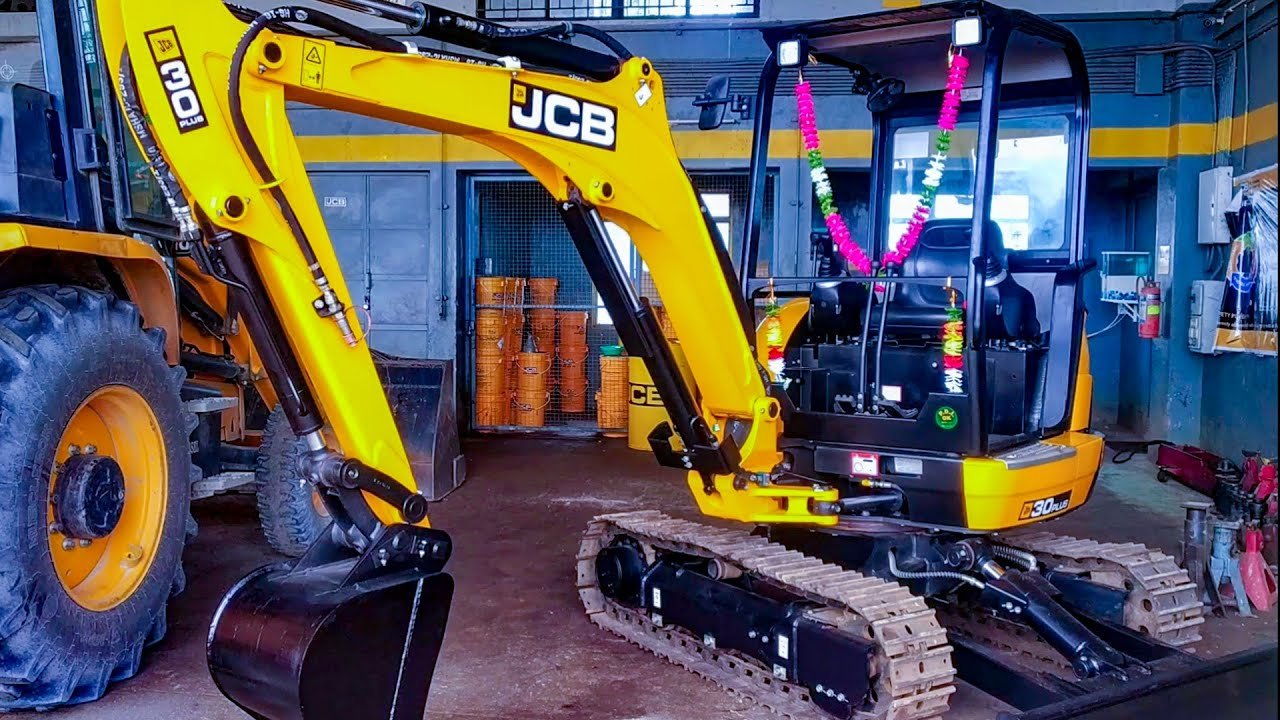
Mini excavators have become essential machines across construction sites, landscaping projects, utility work, agricultural operations, and property development. Among the most trusted names in this sector is JCB, a manufacturer known worldwide for producing durable and reliable equipment. Whether working in confined urban spaces or handling demanding excavation tasks, JCB mini diggers are designed to deliver efficiency and versatility.
Like any piece of heavy machinery, however, regular maintenance and occasional repairs are necessary to keep these machines performing at their best. This is where jcb mini digger parts play an important role. From hydraulic components and undercarriage systems to pins, bushes, filters, and engine parts, every component contributes to the overall reliability of the machine.
Understanding how these parts work, when they should be replaced, and why quality matters can help owners reduce downtime, lower repair costs, and extend the lifespan of their equipment.
Understanding JCB Mini Diggers
JCB mini diggers are compact excavators designed for jobs where larger machines would be impractical. Their smaller footprint allows operators to work in restricted areas while still benefiting from impressive digging power and precision.
Popular models include the JCB 8008, 8014, 8018, 8025, 8030, and various machines in the 16C and 19C series. These excavators are commonly used for trenching, foundation work, drainage installation, landscaping, and demolition projects.
Despite their compact size, these machines contain sophisticated hydraulic systems, robust engines, and numerous moving parts that require routine inspection and maintenance.
Why Parts Matter
Every component inside a mini excavator is designed to perform a specific task. Over time, wear and tear naturally occur due to constant operation, harsh working environments, and heavy loads.
Replacing worn components before they fail completely is often more cost-effective than dealing with major repairs later. High-quality jcb mini digger parts help maintain factory performance standards while ensuring safety and productivity on-site.
Machine owners who invest in proper maintenance frequently experience fewer breakdowns, reduced operating costs, and longer equipment life.
Pins and Bushes
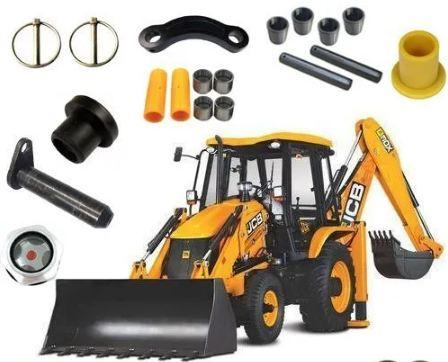
Among the most commonly replaced components on mini excavators are pins and bushes. These parts are located throughout the boom, dipper arm, bucket linkage, and attachment connection points.
Pins act as pivot points that allow movement between different sections of the excavator. Bushes provide a protective surface that reduces friction and wear between moving metal components.
As the machine operates, these components gradually wear down. Excessive wear can lead to loose bucket movement, reduced digging accuracy, and increased stress on surrounding structures.
Regular inspection of pins and bushes helps identify wear before it causes more serious mechanical issues. Replacing them at appropriate intervals keeps the machine operating smoothly and maintains precision during excavation work.
Hydraulic Components
The hydraulic system is often considered the heart of any mini excavator. It provides the power needed to move the boom, arm, bucket, and tracks.
Hydraulic pumps generate pressure, while cylinders convert that pressure into mechanical movement. Hoses, seals, filters, and valves all work together to ensure efficient operation.
When hydraulic components begin to wear, operators may notice slower movements, reduced lifting capacity, unusual noises, or fluid leaks. In many cases, replacing damaged seals or hoses can prevent more extensive repairs.
Investing in quality jcb mini digger parts for hydraulic systems helps maintain machine performance and minimizes unexpected downtime.
Bio Table
| Attribute | Details |
|---|---|
| Topic | JCB Mini Digger Parts |
| Industry | Construction Equipment |
| Category | Heavy Machinery |
| Purpose | Maintenance, Repair & Replacement |
| Suitable For | Contractors, Equipment Owners, Mechanics, Construction Companies |
| Main Components | Pins, Bushes, Hydraulic Parts, Tracks, Filters, Engine Components |
| Benefits | Improved Performance, Reduced Downtime, Longer Machine Life |
| Popular Models Covered | JCB 8008, 8014, 8018, 8025, 8030, 16C, 19C |
| Maintenance Importance | Essential for Safety and Reliability |
| OEM Availability | Genuine JCB and Aftermarket Parts |
| Article Type | Informational Guide |
Undercarriage Systems
The undercarriage is one of the hardest-working areas of any mini excavator. It constantly absorbs shock, supports the machine’s weight, and allows movement across various surfaces.
Components commonly found in the undercarriage include rubber tracks, rollers, sprockets, idlers, and track adjusters.
Rubber tracks naturally wear over time, particularly when operating on rough terrain, concrete surfaces, or abrasive materials. Similarly, rollers and sprockets experience continuous friction during operation.
Routine inspections help identify uneven wear patterns and prevent costly failures. Properly maintained undercarriage components improve machine stability, fuel efficiency, and operator comfort.
Engine Parts and Filtration
The engine provides the power required for every operation performed by a mini digger. To ensure reliable performance, several supporting components require regular attention.
Oil filters remove contaminants from engine oil, while fuel filters prevent debris from entering the fuel system. Air filters protect the engine from dust and airborne particles commonly found on construction sites.
Ignoring routine filter replacement can reduce engine efficiency and accelerate internal wear. For this reason, maintenance schedules should always be followed according to manufacturer recommendations.
Many operators rely on genuine jcb mini digger parts for servicing because they are designed specifically for compatibility with jcb mini digger parts equipment.
Electrical Components
Modern mini excavators rely on electrical systems to monitor performance and support daily operations. Batteries, sensors, switches, lighting systems, and instrument panels all contribute to machine functionality.
Electrical faults can range from simple wiring issues to sensor failures that affect machine diagnostics. Although these problems may seem minor initially, unresolved electrical issues can eventually impact productivity and safety.
Regular inspection of wiring connections and electrical components helps reduce the likelihood of unexpected breakdowns.
Benefits of Genuine Parts
One of the biggest decisions equipment owners face is whether to use genuine or aftermarket replacement components. While aftermarket products can sometimes offer lower initial costs, genuine parts provide several important advantages.
Original components are engineered specifically for JCB equipment and undergo extensive testing to meet performance standards. This ensures proper fitment, durability, and reliability under demanding working conditions.
Using genuine jcb mini digger parts can also help maintain machine value and support warranty requirements where applicable.
For businesses that depend on equipment availability, reliability often outweighs any short-term savings associated with cheaper alternatives.
Signs That Parts Need Replacement
Recognizing early warning signs can help prevent costly repairs and unexpected downtime.
Hydraulic leaks, excessive play in bucket linkages, unusual engine noises, reduced digging performance, overheating, and uneven track wear are all indicators that maintenance may be required.
Operators should also pay attention to warning lights, unusual vibrations, and changes in fuel consumption. Addressing these issues promptly often prevents minor problems from developing into major mechanical failures.
Routine inspections remain one of the most effective ways to identify worn jcb mini digger parts before they cause operational disruptions.
Extending the Life of Your Mini Digger
Proper maintenance is one of the most effective investments an equipment owner can make. Keeping the machine clean, following service schedules, and replacing worn components on time significantly extends equipment lifespan.
Lubricating pins and bushes regularly reduces friction and wear. Monitoring hydraulic fluid levels helps maintain system efficiency. Inspecting tracks and undercarriage components ensures safe operation and prevents unnecessary damage.
Many experienced operators develop a habit of conducting quick daily inspections before beginning work. These simple checks often reveal potential issues before they become jcb mini digger parts expensive repairs.
Finding Quality Replacement Parts
When purchasing replacement components, compatibility should always be the top priority. Part numbers, machine model information, and serial numbers help ensure accurate selection.
Reputable suppliers typically offer extensive inventories covering popular JCB models, including replacement pins, bushes, filters, seals, hydraulic components, and undercarriage parts.
Choosing trusted suppliers helps guarantee quality while reducing the risk of purchasing incorrect or low-quality products.
Conclusion
JCB mini excavators are built to deliver dependable performance across a wide range of applications, but maintaining that performance requires attention to detail and ongoing care. Understanding the role of critical components such as pins, bushes, hydraulic systems, filters, and undercarriage parts allows owners to make informed maintenance decisions.
By investing in high-quality jcb mini digger parts, conducting routine inspections, and addressing wear before it becomes a major issue, operators can maximize productivity, improve reliability, and extend the working life of their machines. Whether used for construction, landscaping, agriculture, or utility work, a properly maintained jcb mini digger parts remains a valuable asset capable of delivering years of dependable service.
