

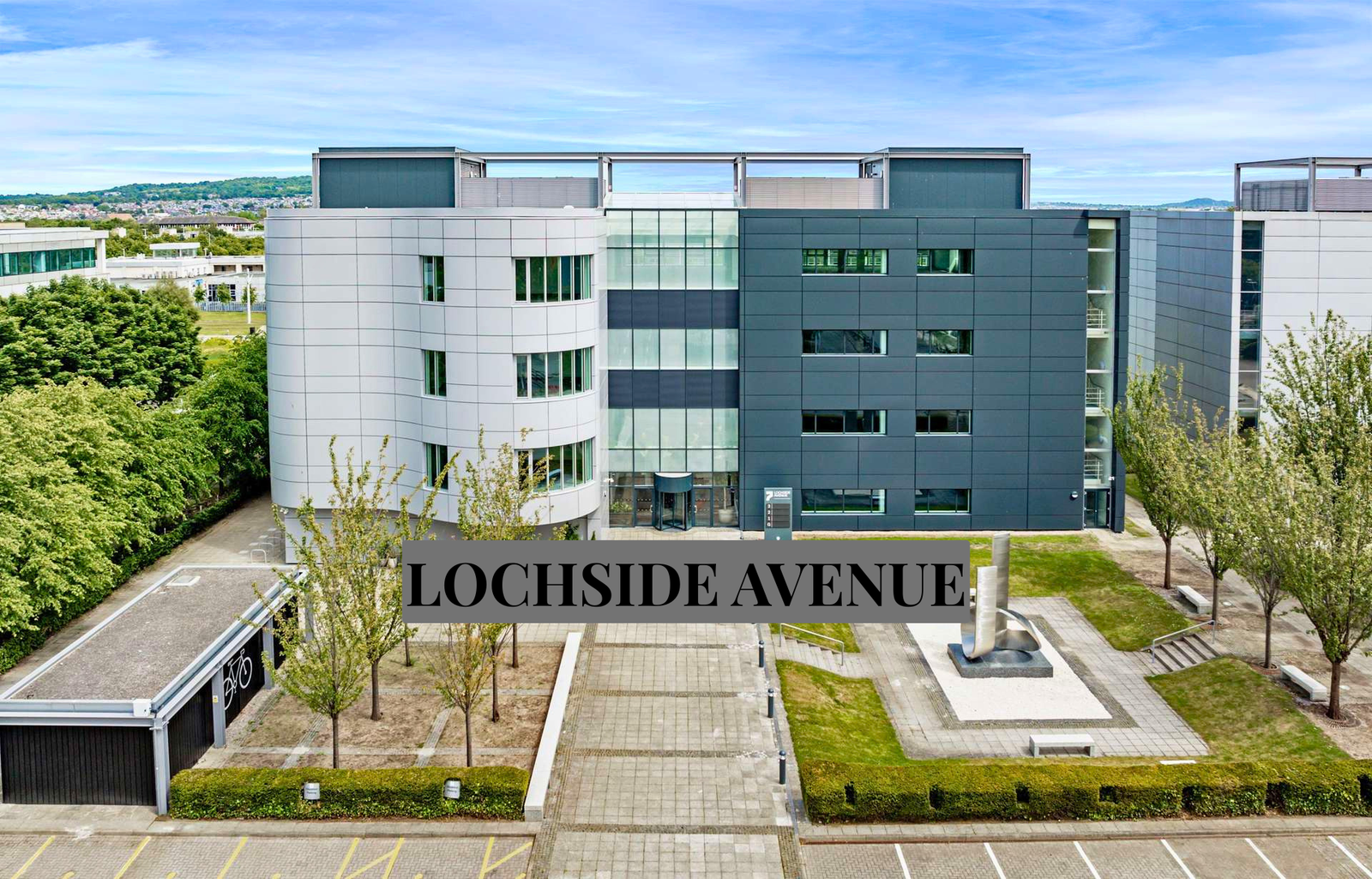
Introduction to Lochside Avenue
Lochside Avenue is a modern residential street name used in several parts of Scotland, most commonly within planned suburban developments. It is not a single landmark or historic destination, but rather a recurring street identity found in growing housing estates across cities like Edinburgh and the Glasgow commuter belt.
The development style associated with Lochside Avenue reflects Scotland’s broader shift toward planned communities, where housing, transport, and lifestyle amenities are designed together. In recent years, Lochside Avenue has gained attention among property seekers looking for well-connected suburban living with access to urban job markets.
Unlike traditional high streets or rural villages, Lochside Avenue represents a structured residential environment shaped by modern planning principles. This includes energy-efficient homes, organized road layouts, and proximity to schools, transport links, and retail services.
Location Identity and Urban Structure
The identity of Lochside Avenue varies depending on the region, but its purpose remains consistent: it forms part of a wider residential ecosystem. In Edinburgh, areas connected to Lochside Avenue sit near Edinburgh Park, a major business district with office complexes and transport hubs. In contrast, versions near Bishopton and the Glasgow commuter belt are more focused on family housing and suburban community living.
Across these regions, Lochside Avenue is typically integrated into larger development zones rather than existing as an isolated street. This makes it part of a wider urban expansion strategy that supports population growth and commuter movement.
The naming convention also reflects Scottish cultural geography, where “loch” references lakes or water bodies. While the street itself may not always be near water, the name adds a sense of regional identity and natural association.
Residential Design and Housing Style
Homes around Lochside Avenue are generally modern in design, reflecting construction trends from the late 1990s onwards. Properties often include semi-detached houses, terraced homes, and low-rise apartment buildings designed for families and working professionals.
The architecture focuses on functionality and energy efficiency. Many homes feature double glazing, insulated walls, and open-plan interiors that support contemporary lifestyles. Gardens and parking spaces are commonly included, especially in suburban sections.
In Edinburgh-adjacent zones, residential areas around Lochside Avenue may also sit near mixed-use developments where housing and commercial buildings coexist. In commuter towns, the environment is quieter, with a stronger focus on residential comfort and community layout.
| Feature | Details |
|---|---|
| Name | Lochside Avenue |
| Country | United Kingdom (Scotland) |
| Type | Residential & Commercial Street |
| Main Areas | Edinburgh, Renfrewshire (Bishopton), Aberdeen region |
| Known For | Business parks, housing estates, urban development |
| Environment | Mixed (Residential + Corporate zones) |
| Transport | Rail, bus, major road connectivity |
| Purpose | Living, business offices, and urban planning zones |
Transport Connectivity and Commuter Advantage
One of the strongest features linked to Lochside Avenue is transport connectivity. In Edinburgh, nearby railway stations such as Edinburgh Park and Edinburgh Gateway provide direct access to the city centre and regional rail lines.
Road infrastructure is also well-developed, with access to major routes connecting Edinburgh, Livingston, and Glasgow. This makes the area attractive to professionals who prefer suburban living while working in urban centers.
The commuter advantage is one of the key reasons Lochside Avenue continues to appear in property searches and housing demand reports. It balances accessibility with residential calm, making it suitable for long-term settlement.
Lifestyle and Community Environment
Life around Lochside Avenue is typically quiet, organized, and community-focused. The surrounding environment is designed to support families, young professionals, and long-term residents.
Local amenities often include supermarkets, retail parks, schools, and healthcare centers within short driving or walking distance. Green spaces and pedestrian pathways are common, encouraging outdoor activity and social interaction.
Despite its suburban nature, Lochside Avenue areas remain well connected to city life. Residents can access employment hubs quickly while returning to a quieter home environment at the end of the day.
Property Market and Investment Outlook
The property market associated with Lochside Avenue has remained stable due to consistent demand for suburban housing near major Scottish cities. Homes in these areas are often considered reliable long-term investments.
Buyers are typically drawn to the combination of modern housing design and transport accessibility. Rental demand is also steady, especially in regions near business parks and university or office zones.
While prices vary depending on location, properties linked to Lochside Avenue tend to offer competitive value compared to central urban districts. This affordability combined with accessibility strengthens its appeal in the housing market.

Development History and Planning Background
Unlike historic districts with centuries of architectural evolution, Lochside Avenue belongs to modern development planning. Most areas were constructed during urban expansion phases aimed at addressing housing shortages in growing cities.
These developments were designed with structured layouts, zoning regulations, and integrated infrastructure. Roads, schools, and retail spaces were planned in advance rather than evolving organically over time.
This planned approach is a defining characteristic of Lochside Avenue, making it part of Scotland’s modern housing transformation.
Community Profile and Lifestyle Characteristics
The population living around Lochside Avenue is typically diverse, including families, professionals, and retirees. Many residents choose the area for its balance between urban access and suburban calm.
Daily life tends to be practical and structured. Schools and workplaces are within reasonable commuting distance, and local services are designed for convenience rather than tourism or entertainment.
The area is generally considered safe and stable, with a focus on residential comfort and long-term community building.
Misunderstandings About Personal Identity
A common misunderstanding online is treating Lochside Avenue as if it were a person or public figure. This often leads to irrelevant searches for personal details such as age, height, family, net worth, or social media presence.
In reality, Lochside Avenue is a place name, not an individual. It does not have personal attributes or a digital identity in the way a celebrity or public figure would.
Instead, its relevance lies in urban planning, housing development, and community structure rather than personal biography.
Conclusion and Overall Perspective
In conclusion, Lochside Avenue represents a modern approach to suburban living in Scotland. It reflects planned residential development designed to meet the needs of commuters, families, and professionals.
Its strongest features include transport access, modern housing design, and community-oriented planning. These qualities have helped maintain steady interest in the area across property markets and lifestyle searches.
While it may not be a single iconic destination, Lochside Avenue plays an important role in Scotland’s evolving residential landscape. It stands as an example of how modern housing estates are shaping the future of urban living.
