

Introduction
In today’s increasingly connected world, proving where a person legally lives has become an important part of many administrative, financial, and legal processes. Whether someone is applying for a residence permit, opening a bank account, accessing public services, or fulfilling tax obligations, residence verification often plays a crucial role. In Romania, this process is commonly known as verificare rezidenta, a term that refers to confirming an individual’s residential status through official records and supporting documentation.
Although residence verification may seem like a simple administrative procedure, it has significant implications for both individuals and institutions. Governments rely on accurate residency information to manage public services, immigration systems, and taxation. Businesses and financial organizations use residency checks to comply with regulations and prevent fraud. For individuals, having verified residency status can simplify access to healthcare, education, employment opportunities, and legal protections.
This article explores the meaning of verificare rezidenta, how the process works, why it matters, and the benefits it provides for residents, businesses, and government authorities.
Understanding Residence Verification
At its core, residence verificare rezidenta is the process of confirming that a person legally resides at a specific address or within a particular country. This verification may involve reviewing documents such as residence permits, rental agreements, utility bills, tax certificates, or official government records.
The concept is widely used throughout Europe and other regions to establish a person’s legal connection to a location. Authorities may conduct checks to ensure that information provided by an individual is accurate and up to date. These checks help maintain reliable records and support various administrative functions.
For foreign nationals, residence verification is often linked to immigration requirements. For citizens, it may be necessary when applying for government benefits, educational programs, or tax-related services.
Why Residence Verification Matters
The importance of residency verification extends far beyond confirming an address. It serves as a foundation for numerous legal and administrative systems.
Governments need accurate information about residents to allocate resources effectively and ensure compliance with national laws. Healthcare systems, social assistance programs, and public education services frequently depend on residency status when determining eligibility.
Financial institutions also rely on verified residency information. Banks, insurance providers, and investment companies often require proof of residence before opening accounts or providing services. This helps organizations comply with anti-money laundering regulations and customer identification requirements.
For individuals, verified residency status can reduce administrative complications and provide easier access to important services.
The Legal Purpose Behind Residency Checks
One of the primary reasons authorities perform residency verification is to ensure legal compliance. Immigration regulations often require individuals who move to a new country or region to register their residence within a specified timeframe.
In many jurisdictions, failure to maintain accurate residency records can result in penalties, delays in service access, or difficulties when renewing permits and licenses.
Legal residency verification also supports law enforcement efforts by maintaining accurate population records. This helps authorities manage public safety, monitor migration patterns, and ensure that official records remain current.
How the Verification Process Works
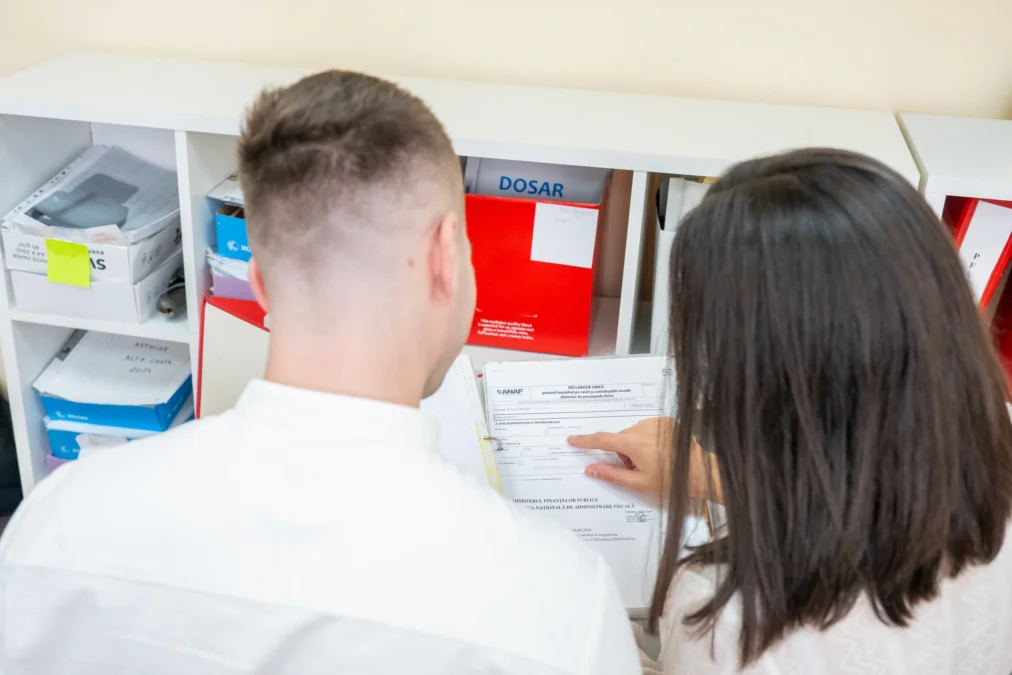
The process of verificare rezidenta generally begins when an individual submits documentation proving their place of residence. Depending on the institution conducting the verification, different types of evidence may be required.
Authorities or organizations review the submitted documents and compare the information with official databases. In some cases, additional checks may be performed to confirm the authenticity of the documents.
If everything matches the records, the individual’s residency status is confirmed. Some authorities may issue an official certificate or registration document that serves as proof of verified residence.
The exact process varies by country, institution, and purpose, but the overall objective remains the same: establishing a person’s legitimate residential status.
Bio Table
| Field | Details |
|---|---|
| Topic | Verificare Rezidenta |
| Meaning | Residence Verification |
| Category | Legal & Government Services |
| Purpose | Confirm an individual’s legal residence |
| Common Users | Citizens, Foreign Residents, Businesses |
| Required Documents | ID Card, Utility Bill, Rental Agreement |
| Main Benefits | Legal Compliance, Tax Clarity, Fraud Prevention |
| Related Areas | Immigration, Banking, Taxation |
| Verification Method | Document and Record Validation |
| Applicability | Personal and Business Use |
Documents Commonly Used for Verification
Several types of documentation can be used to support residency verification. The specific requirements depend on the organization requesting proof.
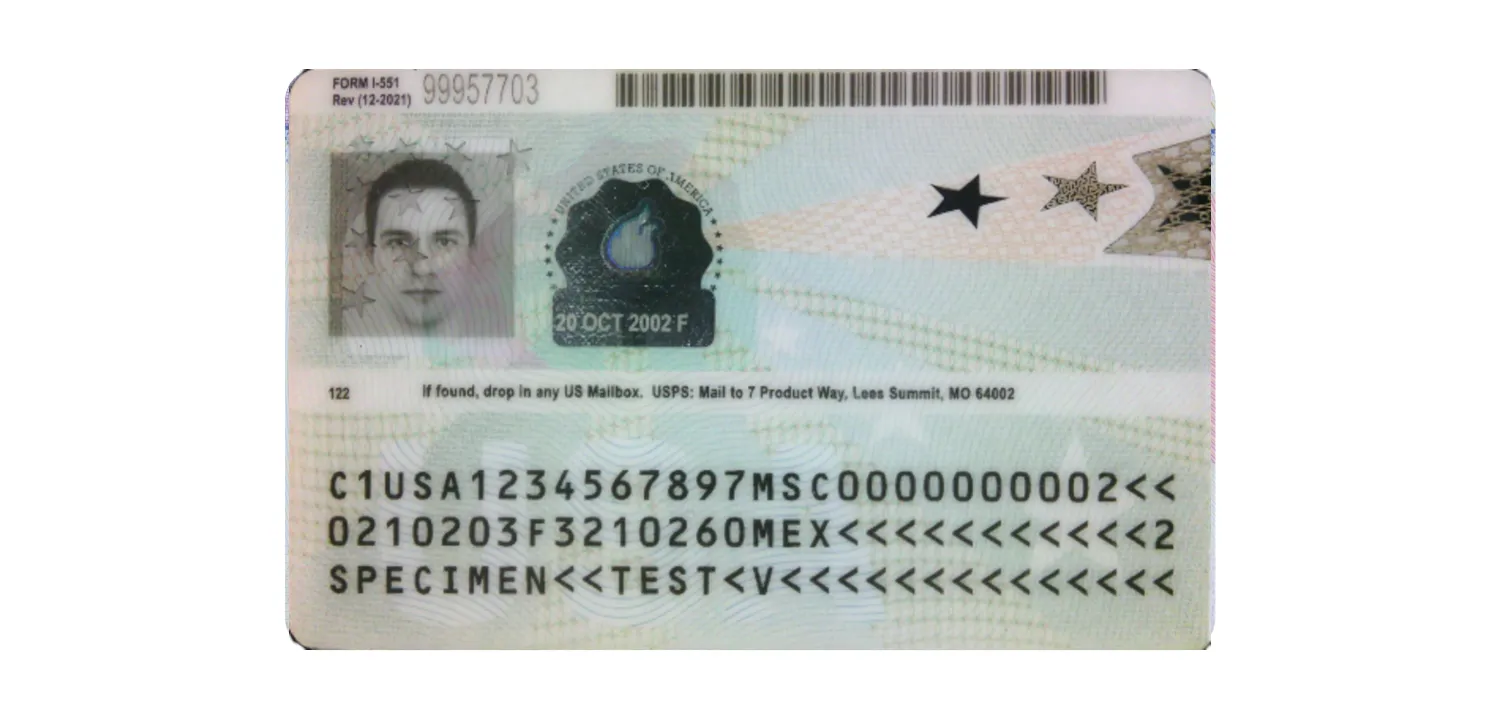
Government-issued identification documents often serve as a starting point. Residence permits, national identity cards, and registration certificates are commonly accepted because they contain official information about a person’s address.
Utility bills are another frequently used form of proof. Electricity, gas, water, or internet bills can demonstrate that an individual actively resides at a specific location.
Rental agreements and property ownership documents also provide strong evidence of residency. These documents establish a legal connection between the individual and the address being verified.
Tax records, employment documents, and educational enrollment records may also support residency verification in certain situations.
The Connection Between Residency and Taxes
One important aspect of verificare rezidenta involves determining tax residency. Tax authorities use residency status to establish where an individual must pay taxes and report income.
A person’s tax residency is not always determined solely by citizenship. Instead, authorities often consider factors such as the location of a permanent home, the amount of time spent in a country, and the center of personal or economic interests.
Many countries apply residency rules that consider whether an individual spends more than a specific number of days within their borders during a tax year. These regulations help prevent tax avoidance and clarify financial obligations.
Because tax laws can be complex, residency verification plays a vital role in ensuring that individuals and businesses meet their legal responsibilities.
Benefits for Individuals
For individuals, verified residency status offers numerous practical advantages.
One major benefit is smoother access to government services. Healthcare coverage, social programs, educational opportunities, and local administrative services often require proof of residence.
Verified residency can also simplify employment processes. Employers may request proof of residency when hiring workers, particularly in situations involving international employment or work authorization.
Another advantage involves financial services. Banks and other institutions typically require proof of residence before approving accounts, loans, or investment services. Having verified documentation readily available can speed up these processes.
In addition, verified residency provides legal clarity and reduces the likelihood of disputes related to address records or eligibility requirements.
Benefits for Organizations and Authorities
Organizations also benefit significantly from accurate residence verification procedures.
Financial institutions use residency checks to comply with regulations designed to prevent fraud, money laundering, and identity theft. By confirming customer information, organizations can reduce risk and strengthen security measures.
Government agencies rely on residency data to distribute public resources fairly and efficiently. Accurate records help authorities understand population trends and plan infrastructure, healthcare, and educational services.
Employers may use residency verification to confirm eligibility for employment and ensure compliance with labor regulations. This is especially important in industries involving international workers.
Overall, reliable residency information contributes to more effective decision-making and stronger administrative systems.
Common Challenges in Residence Verification
Despite its importance, residence verification can sometimes present challenges.
Individuals who move frequently may struggle to maintain updated records. Changes in address often require updating multiple institutions and government agencies, which can be time-consuming.
Foreign nationals may face additional requirements when proving residency, particularly if they recently relocated or are awaiting immigration approvals.
Another challenge involves documentation. Individuals who lack traditional proof of address, such as utility bills or rental agreements, may need alternative forms of evidence to complete the verification process.
Digital transformation is helping address many of these challenges by allowing governments and institutions to verify information more efficiently through electronic databases and online services.
The Growing Role of Digital Verification
Technology is rapidly transforming how residency checks are conducted. Many governments now offer digital registration systems that allow residents to submit documents and update information online.
Electronic verification methods reduce paperwork, improve efficiency, and minimize errors. Digital systems also make it easier for authorities to cross-check information across multiple databases.
As online services continue to expand, digital residency verification is expected to become increasingly common. This shift benefits both individuals and organizations by making the process faster, more secure, and more accessible.
Future Trends in Residency Verification
The future of residence verification will likely involve greater integration of digital identity systems, secure online databases, and automated verification technologies.
Governments around the world are investing in digital infrastructure that allows citizens and residents to manage official records electronically. These innovations can improve accuracy while reducing administrative burdens.
Artificial intelligence and advanced data analysis tools may also help identify inconsistencies and streamline verification processes. However, privacy and data protection will remain important considerations as these technologies evolve.
The goal is to create systems that balance efficiency, security, and individual rights while maintaining trustworthy residency records.
Conclusion
Verificare rezidenta is much more than a routine administrative requirement. It serves as a critical mechanism for confirming legal residence, supporting immigration compliance, determining tax obligations, preventing fraud, and enabling access to essential services.
For individuals, verified residency provides greater convenience, legal certainty, and access to opportunities. For governments and organizations, it supports accurate recordkeeping, regulatory compliance, and effective service delivery.
As digital technologies continue to modernize administrative processes, residence verification is becoming more efficient and accessible than ever before. Understanding how it works and why it matters can help individuals navigate legal and administrative requirements with confidence while ensuring they remain compliant with residency regulations.
FAQs verificare rezidenta
Q: What is verificare rezidenta?
A: It is the process of confirming a person’s legal residence through official documents and records.
Q: Why is residence verification important?
A: It helps ensure legal compliance, tax accuracy, and access to public services.
Q: Which documents are commonly used for verification?
A: Utility bills, residence permits, rental contracts, and government-issued IDs.
Q: Is verificare rezidenta required for foreigners?
A: Yes, foreign residents may need it for immigration, work, or permit-related purposes.
Q: Can residence verification affect tax obligations?
A: Yes, residency status often determines where a person must pay taxes.
