

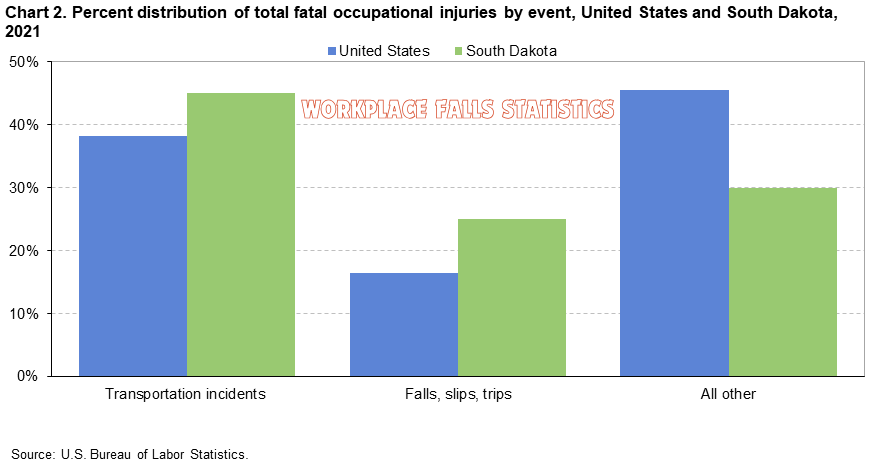
Workplace falls statistics show how often fall-related accidents happen and why they remain a serious safety issue in many industries. Falls can occur in construction sites, warehouses, hospitals, offices, and other workplaces where employees move quickly or work around hazards. These incidents matter because even a single fall can lead to pain, lost work time, medical costs, and long recovery periods.
Studying workplace falls statistics helps employers understand where risks are highest and what conditions lead to accidents. When businesses review this information carefully, they can make better decisions about training, equipment, and workplace design. The goal is not only to reduce injuries but also to create a safer environment where employees can do their jobs with confidence.
Understanding Workplace Falls
A workplace fall happens when a worker slips, trips, or falls from one level to another or even on the same surface. Common examples include falling from ladders, stairs, roofs, scaffolding, or platforms. Slips on wet floors, loose cables, or uneven surfaces also count as fall-related incidents.
Workplace falls statistics help safety professionals identify common hazards and understand where prevention efforts are needed most. Some falls cause only minor bruises, but others can result in broken bones, head injuries, or long-term disability. Because of this, safety teams pay close attention to fall hazards in every type of workplace. Even offices can have risks if walkways are cluttered, lighting is poor, or floors are not maintained properly.
Why Falls Matter
Falls remain one of the leading causes of workplace injuries in many countries. Workplace falls statistics continue to show that fall hazards are a major concern, especially in jobs that involve working at heights. These accidents can affect both employees and employers in serious ways.
For workers, a fall may mean pain, time away from work, emotional stress, and financial pressure. For employers, it can lead to lower productivity, higher insurance costs, and possible legal problems. Reviewing workplace falls statistics also helps businesses see where safety programs need improvement and where stronger controls may prevent future incidents.
A strong safety program does more than follow rules. It builds a workplace culture where people understand that safety is part of everyday work, not an extra task.
| Category | Details |
|---|---|
| Topic | Workplace Falls Statistics |
| Meaning | Data about workplace fall accidents, injuries, and safety risks |
| Main Causes | Slips, trips, unsafe surfaces, ladders, and working at heights |
| High-Risk Industries | Construction, healthcare, manufacturing, and transportation |
| Importance | Helps improve workplace safety and prevent accidents |
| Prevention | Training, safety equipment, inspections, and proper planning |
| Safety Goal | Reduce workplace injuries and protect employees |
| Related Areas | Occupational safety, risk management, and accident prevention |
Common Causes of Falls
Many workplace falls happen because of unsafe conditions that could have been corrected earlier. Wet floors, poor housekeeping, uneven walking surfaces, and objects left in pathways are common causes. Small problems can quickly become dangerous when they are ignored.
Workplace falls statistics often point to these simple but serious hazards as major contributors to injury. Working at heights without proper protection is another major risk. Employees who use ladders, scaffolding, or elevated platforms need the right equipment and clear instructions. Without these protections, even a simple mistake can lead to a serious accident.
Human behavior also plays a role. Rushing, skipping safety steps, using equipment incorrectly, or failing to report hazards can increase the chance of injury. Looking at workplace falls statistics also shows that prevention depends on both safe conditions and safe behavior. Employers and workers must stay alert and follow safe practices.
Industries With Higher Fall Risks
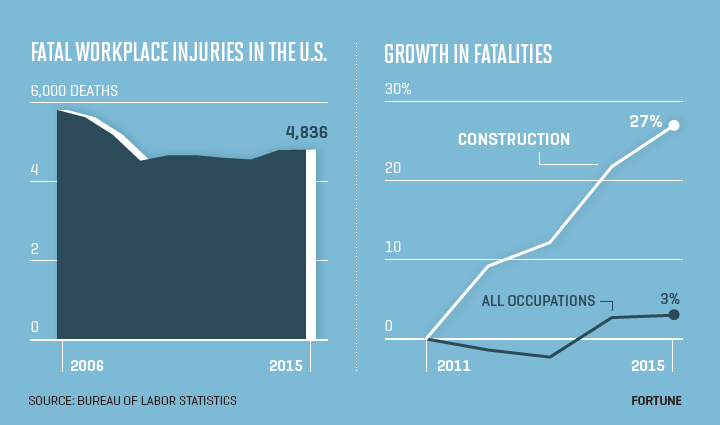
Some industries face greater fall risks because of the nature of the work. Construction is one of the highest-risk sectors because workers often operate at heights, around open edges, and near unfinished structures. Maintenance and warehouse jobs can also involve ladders, storage systems, and moving equipment.
Workplace falls statistics often show higher risk in construction because the work environment changes frequently and hazards can appear quickly. Healthcare workers may slip or trip while moving through busy hallways, patient rooms, or treatment areas. Manufacturing employees may face hazards from crowded workspaces, machinery, and materials stored in unsafe ways. Transportation workers can also experience falls while loading cargo or working around vehicles.
Each industry has different hazards, but all of them benefit from clear safety rules and regular hazard checks.
Prevention Through Training and Equipment
Safety training is one of the best ways to reduce workplace accidents. Employees who understand hazards are more likely to notice danger early and make safer choices. Training should cover ladder safety, fall protection, emergency response, and proper movement around the workplace.
Workplace falls statistics improve when employees receive regular instruction and supervisors reinforce safe habits. Protective equipment is also important. Depending on the job, workers may need harnesses, guardrails, helmets, or non-slip footwear. This equipment does not remove every risk, but it adds an important layer of protection.
Using workplace falls statistics to guide equipment choices can help companies focus on the most effective controls. Employers should make sure equipment is inspected, maintained, and used correctly. Workers should also know how to wear and care for it. When training and equipment work together, the chance of serious injury drops significantly.
How Companies Can Improve Safety
Companies can reduce fall risks by creating clear safety plans and checking work areas regularly. Routine inspections help identify hazards before they cause accidents. Good housekeeping is equally important. Clean floors, clear walkways, proper lighting, and organized storage areas all support safer movement.
Workplace falls statistics can guide inspections by showing which areas, tasks, or shifts need the most attention. Businesses should also encourage employees to report unsafe conditions without fear of blame. When workers feel comfortable speaking up, problems can be fixed faster. A quick response to hazards often prevents injuries before they happen.
Building a Strong Safety Culture
A strong safety culture means everyone takes responsibility for preventing accidents. Managers, supervisors, and employees all play a part in keeping the workplace safe. When leaders support safety and workers follow procedures, the entire organization benefits.
Workplace falls statistics are valuable because they reveal patterns, highlight risks, and guide better decisions. Technology is also helping improve prevention. Digital inspections, wearable devices, and monitoring systems can identify hazards faster and provide real-time alerts. These tools support traditional safety methods and make prevention more effective.
By studying workplace falls statistics, companies can improve training, strengthen safety systems, and protect workers more effectively.
Conclusion
Workplace falls statistics provide important insight into how accidents happen and how they can be prevented. Falls may occur in any industry, but many are avoidable with proper planning, training, equipment, and communication.
A safer workplace depends on shared responsibility. When employers invest in prevention and employees follow safe practices, fall-related injuries can be reduced. Safety is not just about avoiding accidents; it is about protecting people and creating a healthier workplace for everyone.
