

Hematuria and UTI are two common urinary health concerns that are often linked together. Hematuria means blood is present in the urine, while a urinary tract infection (UTI) occurs when bacteria infect the urinary system. These conditions can affect people of different ages and may cause discomfort, pain, and changes in normal urination.
Understanding hematuria and UTI is important because blood in urine should always be taken seriously. In many cases, a urinary infection can cause bleeding due to irritation and inflammation. However, there can be other reasons behind this symptom, so proper medical evaluation is important.
What Is Hematuria?
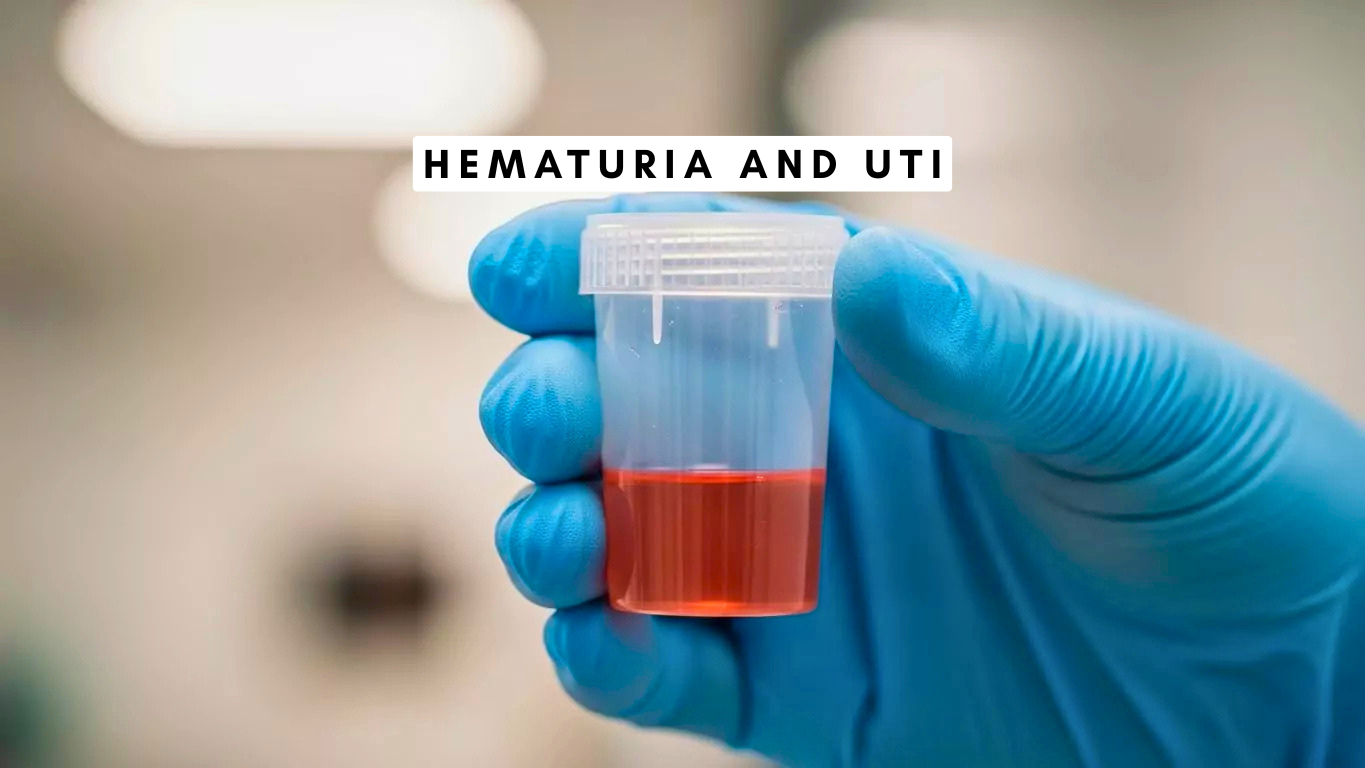
Hematuria is a condition where red blood cells appear in urine. It can be visible, meaning a person can see a change in urine color, or it can only be found through laboratory testing. Visible blood may make urine look pink, red, or dark brown.
The urinary system includes the kidneys, ureters, bladder, and urethra. If any part of this system becomes irritated or damaged, bleeding can occur. The severity of hematuria can vary depending on the underlying cause.
Blood in urine does not always indicate a dangerous condition, but it should not be ignored. Doctors usually perform tests to understand why it is happening and recommend the correct treatment.
What Is a Urinary Tract Infection?
A urinary tract infection happens when bacteria enter the urinary system and begin to multiply. Most infections affect the bladder and urethra, but some can spread to the kidneys if they are not treated properly.
Common signs of a UTI include burning while urinating, needing to urinate more often, lower abdominal discomfort, and cloudy or strong-smelling urine. Some people may also experience tiredness or general discomfort.
Hematuria and UTI are connected because bacteria can irritate the urinary tract lining. This irritation may cause small blood vessels to break, resulting in blood appearing in urine.
| Detail | Information |
|---|---|
| Name | Hematuria and UTI |
| Type | Medical Conditions |
| Hematuria Meaning | Blood present in urine |
| UTI Meaning | Infection of the urinary tract |
| Main Causes | Bacteria, irritation, urinary problems |
| Common Symptoms | Blood in urine, burning urination, frequent urination |
| Affected Areas | Kidneys, bladder, ureters, urethra |
| Affected Age Group | People of all ages |
| Diagnosis | Urine test, urine culture, imaging tests |
| Treatment | Antibiotics, medical care, lifestyle changes |
| Prevention | Hydration, hygiene, regular health checks |
| Medical Category | Urinary System Health |
| Personal Details | Not applicable (not a person or celebrity) |
Relationship Between Hematuria and UTI
The connection between hematuria and UTI is mainly caused by inflammation. When bacteria infect the bladder or urinary passages, the body responds with swelling and irritation. This process can sometimes lead to bleeding.
People with hematuria and UTI may experience several symptoms together, such as painful urination, frequent bathroom visits, and visible blood in urine. The symptoms may be mild at first but can become worse without proper care.
It is important to remember that not every case of blood in urine is caused by infection. Kidney stones, certain medicines, injuries, and kidney problems may also result in similar symptoms.
Common Symptoms
Symptoms can be different depending on the person and the severity of the condition. Some people may notice changes in urine color, while others may only experience discomfort during urination.
Common symptoms include burning sensations, frequent urges to urinate, pelvic pressure, and urine that appears pink or red. In some cases, people may feel pain in the lower back or sides.
More serious symptoms include fever, chills, nausea, vomiting, and strong pain. These signs may suggest that an infection has reached the kidneys and requires immediate medical attention.
Causes and Risk Factors
There are several causes behind urinary infections and blood in urine. Bacteria are the main cause of UTIs, but other health conditions can also affect urinary function.
Women are more likely to develop UTIs because bacteria can reach the bladder more easily due to body structure. However, men, children, and older adults can also experience these infections.
Age, lifestyle, and overall health can influence the risk. People with diabetes, kidney problems, weakened immune systems, or previous urinary issues may have a higher chance of experiencing hematuria and UTI symptoms.
Diagnosis and Testing
Doctors diagnose urinary problems by asking about symptoms and checking medical history. A urine test is usually the first step because it can detect blood cells, bacteria, and signs of infection.
A urine culture may be performed to identify the type of bacteria causing the infection. This helps doctors select the most effective treatment.
If hematuria and UTI symptoms continue after treatment, doctors may recommend additional tests. Ultrasound, CT scans, or bladder examinations can help identify other possible causes of bleeding.
Treatment Options
Treatment depends on the cause of the problem. When bacteria are responsible, antibiotics are commonly prescribed. Patients should complete the recommended medication course to prevent the infection from returning.
Drinking enough water can support urinary health by helping the body remove waste and maintain normal urine flow. However, fluids alone cannot replace medical treatment when an infection requires antibiotics.
For people with hematuria and UTI, doctors may also recommend lifestyle changes and follow-up checks to ensure the condition has improved.

Prevention Tips
Maintaining healthy habits can reduce the chance of urinary problems. Drinking enough water, avoiding holding urine for long periods, and practicing good hygiene are helpful steps.
People can reduce the risk of hematuria and UTI by paying attention to early symptoms and seeking medical advice quickly. Early treatment can prevent infections from becoming more serious.
Regular health checks are also useful, especially for people who experience repeated urinary problems.
Age, Family, and Lifestyle Facts
Unlike a celebrity or public figure, hematuria and UTI do not have details such as age, height, family background, net worth, physical appearance, or social media profiles. These terms describe medical conditions rather than a person.
However, a person’s age, family medical history, and lifestyle can influence their urinary health. Some people may have inherited conditions that affect the kidneys, while daily habits may increase or decrease infection risks.
Children, adults, and older people can all experience urinary infections, although symptoms and treatments may differ.
When to Seek Medical Help
Anyone who notices blood in urine should speak with a healthcare professional. Even if symptoms seem mild, testing can help identify the exact cause.
People experiencing hematuria and UTI with fever, severe pain, weakness, or vomiting should seek medical care quickly. These symptoms may indicate a more serious infection.
Conclusion
Hematuria and UTI are common urinary health issues that require proper attention and care. While infections are a frequent reason for blood in urine, other causes should also be considered.
Understanding symptoms, getting an accurate diagnosis, and following treatment advice can help people recover effectively. Healthy habits and early medical support play an important role in protecting urinary health.
