

LGI cancer pathway is an organised healthcare system that helps doctors investigate and manage possible cancers affecting the lower gastrointestinal area. It supports patients from the first stage of concern through medical testing, diagnosis, treatment decisions, and long-term follow-up care.
The term does not describe a person, celebrity, or public figure. Therefore, details such as age, height, family, siblings, net worth, physical appearance, lifestyle, and social media profiles are not available. Instead, it represents a medical process created to improve cancer detection and provide better support for patients.
What Is the Lower GI Cancer Pathway?
The lower gastrointestinal system includes the colon, rectum, and large bowel. Cancer that develops in these areas is commonly known as colorectal cancer. The healthcare process is designed to make sure patients receive suitable investigations and expert medical advice at the right time.
The main purpose of the LGI cancer pathway is to identify possible cancers earlier and help patients access specialist care quickly. Early detection can provide more treatment choices and may improve health outcomes.
Many people who enter this pathway do not receive a cancer diagnosis. Some symptoms may be linked to other digestive conditions, but proper assessment allows doctors to discover the real cause and recommend suitable treatment.
Importance of Early Investigation
Early investigation is one of the most important parts of modern cancer care. Lower gastrointestinal cancers may sometimes develop slowly, and early symptoms can appear similar to common stomach or bowel problems.
Symptoms that may require medical attention include blood in stools, unexplained weight loss, changes in bowel habits, ongoing abdominal discomfort, and tiredness caused by low iron levels.
Doctors consider several factors before recommending further tests. These can include a patient’s symptoms, age, medical history, family history, and results from initial examinations.
A careful assessment helps healthcare teams identify patients who need urgent attention while avoiding unnecessary procedures for people with a lower risk.
The Role of the FIT Test
The Faecal Immunochemical Test, commonly called FIT, is an important tool used in many bowel cancer assessment services. It checks stool samples for small amounts of hidden blood that cannot always be seen.
The test helps doctors decide which patients may need further investigations. It has improved healthcare systems by making referrals more efficient and allowing specialists to focus on patients who require additional testing.
However, the FIT test does not confirm cancer by itself. Doctors use the results together with symptoms, medical history, and other investigations before making a diagnosis.
This approach allows healthcare professionals to provide personalised care based on each patient’s situation.
Diagnosis and Medical Tests
During the LGI cancer pathway, patients may undergo different tests depending on their symptoms and health conditions. These examinations help doctors understand what is happening inside the body.
A colonoscopy is one of the most common procedures used for bowel investigation. During this test, specialists use a small camera to examine the inside of the bowel. If unusual areas are discovered, a biopsy may be collected for laboratory testing.
Other examinations can include CT scans, MRI scans, blood tests, and additional imaging procedures. These tests help doctors identify whether cancer is present and determine how advanced the condition may be.
Accurate diagnosis allows medical teams to create a suitable treatment plan.
The Multidisciplinary Healthcare Team
Cancer care involves cooperation between different medical specialists. When cancer is confirmed, the patient’s case is usually reviewed by a multidisciplinary team, often called an MDT.
This team may include surgeons, oncologists, radiologists, pathologists, specialist nurses, and other healthcare professionals. Each expert provides knowledge that helps create the best possible care approach.
The LGI cancer pathway depends on teamwork because every patient has different medical needs. Doctors consider the cancer type, stage, overall health, and personal preferences before recommending treatment.
This collaborative method helps ensure patients receive safe and effective care.
Treatment Options and Recovery
Treatment depends on the location and stage of the cancer. Some patients may need surgery to remove cancerous tissue, while others may receive chemotherapy, radiotherapy, or targeted medicines.
Surgery can be an effective option when cancer is limited to a specific area. In more complex cases, doctors may recommend combined treatments to control the disease and improve quality of life.
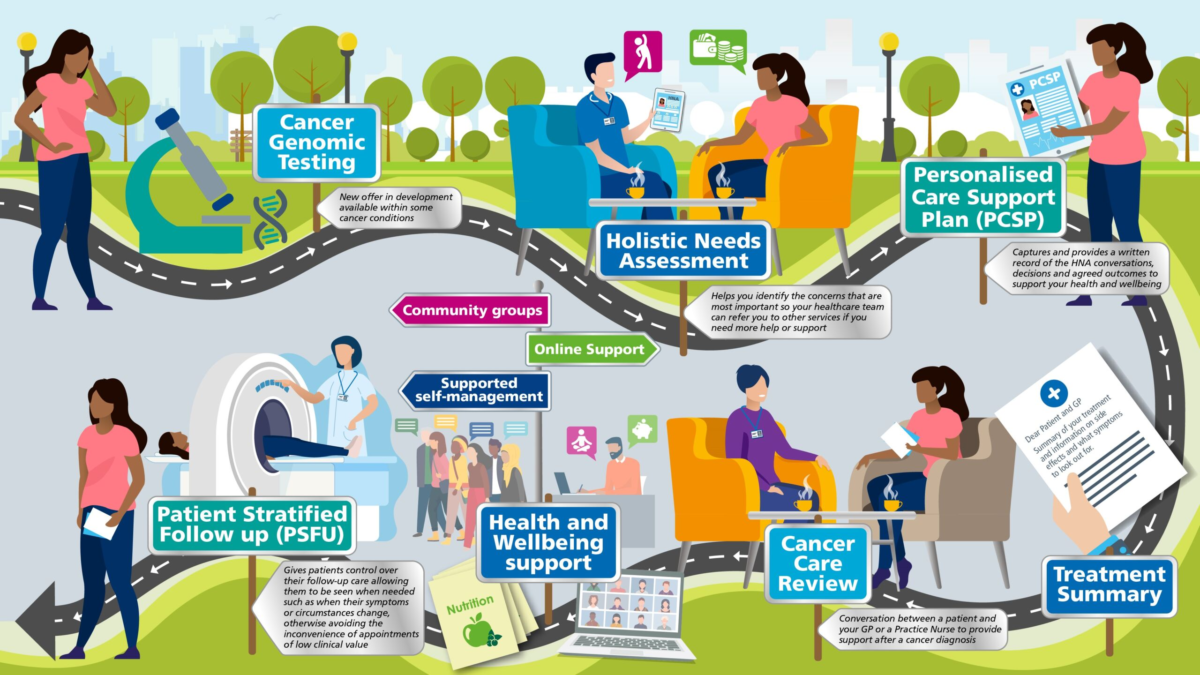
Recovery continues after treatment. Patients may need regular check-ups, nutritional advice, emotional support, and guidance about returning to everyday activities.
Healthcare teams continue monitoring patients to manage recovery and identify any future concerns.
Age, Family History, and Risk Factors
The LGI cancer pathway does not have personal information such as age, height, family members, siblings, net worth, or social media accounts because it is not an individual profile.
However, age and family history are important factors when assessing bowel cancer risk. The possibility of developing colorectal cancer generally increases as people get older, although younger people can also be affected.
People with relatives who have experienced bowel cancer may have a higher risk. Some inherited conditions can also increase the chance of developing gastrointestinal cancers.
Healthy lifestyle choices, including regular exercise, eating a balanced diet, maintaining a healthy weight, avoiding smoking, and limiting alcohol, can support better overall health.
Modern Improvements in Cancer Care
Medical research continues to improve cancer diagnosis and treatment. Better imaging technology, improved laboratory methods, and personalised treatments are helping doctors provide more accurate care.
The LGI cancer pathway continues to develop as healthcare services introduce new methods for faster diagnosis and improved patient support.
Digital healthcare systems are also helping hospitals share information more effectively between specialists. These improvements make the patient journey smoother and more connected.
Awareness and Patient Support
Because this pathway is a healthcare system, it does not have personal details such as lifestyle information, physical appearance, or social media presence.
However, hospitals and cancer organisations provide educational resources to help people understand symptoms, screening, and treatment options.
The LGI cancer pathway also highlights the importance of awareness because early medical advice can make a significant difference. People who notice possible warning signs should speak with healthcare professionals instead of ignoring symptoms.
Conclusion
The LGI cancer pathway is an important healthcare approach that helps patients receive organised assessment, accurate diagnosis, and appropriate treatment for lower gastrointestinal cancers.
Although it does not have details such as age, family, height, net worth, or social media profiles, its importance comes from improving patient care and supporting better cancer outcomes.
With continued research, improved technology, and greater public awareness, healthcare systems are becoming more effective at detecting and treating lower gastrointestinal cancers. Understanding this process helps patients and families feel more informed, prepared, and supported during their healthcare journey.
FAQs
Q: What is the LGI cancer pathway?
A: The LGI cancer pathway is a healthcare process that helps doctors diagnose and treat possible lower gastrointestinal cancers through organised testing and specialist care.
Q: Who uses the LGI cancer pathway?
A: Patients with possible lower bowel cancer symptoms may be referred through this pathway for assessment, diagnosis, and treatment planning.
Q: What tests are included in the LGI cancer pathway?
A: It may include FIT tests, colonoscopy, scans, blood tests, and specialist reviews to identify possible cancer.
Q: Does the LGI cancer pathway mean someone has cancer?
A: No, entering the pathway does not always mean cancer is present. Many patients receive other diagnoses after investigation.
Q: Why is the LGI cancer pathway important?
A: The LGI cancer pathway helps provide faster diagnosis, coordinated treatment, and better support for patients with suspected lower GI cancer.
