

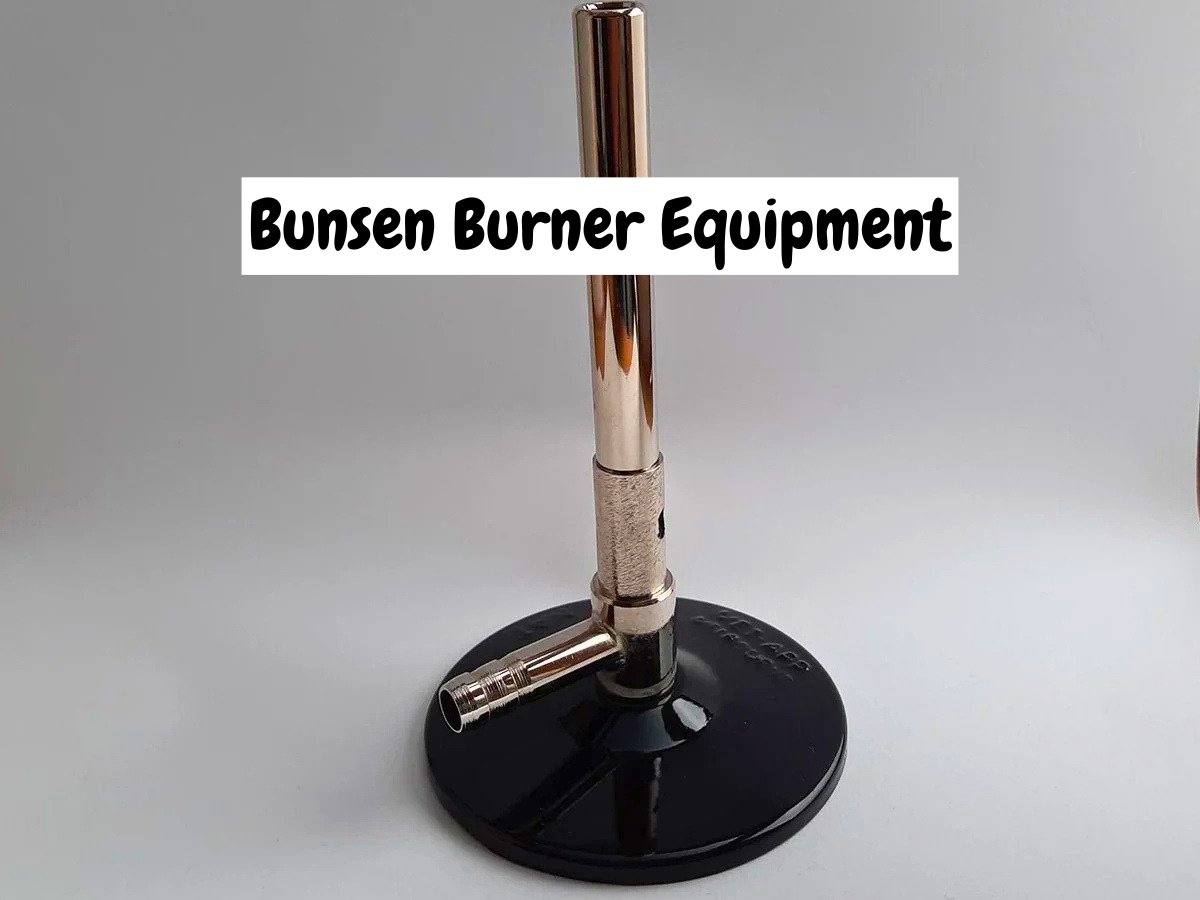
Bunsen burner equipment is one of the most important tools used in chemistry laboratories around the world. This simple heating device has supported students, teachers, and scientists for more than a century by providing a controlled flame for experiments, heating materials, and studying chemical reactions.
Bunsen burner equipment is still widely used in schools, colleges, and research laboratories because of its reliable performance and easy operation. Although modern heating devices are now available, the traditional Bunsen burner remains an essential part of science education and laboratory work.
What Is Bunsen Burner Equipment?
A Bunsen burner is a laboratory instrument that produces a flame by mixing gas with air before combustion. It is mainly used when controlled heating is needed during scientific experiments. The device connects to a gas source and creates a flame that can be adjusted according to the requirements of the experiment.
The burner works by allowing gas to enter through the bottom section while air enters through small openings near the base. When the gas and air combine properly, they create a clean and hot flame that can be used for different laboratory purposes.
Unlike ordinary flames, this equipment allows users to control the amount of oxygen entering the burner. This adjustment changes the flame temperature and helps scientists achieve better results during experiments.
History and Invention
The history of the Bunsen burner started in the 1850s when German chemist Robert Wilhelm Bunsen worked with laboratory equipment maker Peter Desaga to create a safer and more effective heating tool. Before this invention, laboratory burners often produced smoky flames and uneven heat.
The new design improved combustion by mixing gas with air before burning. This created a cleaner flame that was suitable for scientific research. Over time, it became one of the most recognized instruments in chemistry laboratories.
Today, this laboratory tool has an age of more than 170 years and continues to be used worldwide. Its long history shows its importance in science education and research.
Bunsen Burner Equipment Profile Details
| Category | Details |
|---|---|
| Name | Bunsen Burner Equipment |
| Type | Laboratory heating device |
| Age | More than 170 years |
| Inventors | Robert Wilhelm Bunsen and Peter Desaga |
| Main Use | Heating and scientific experiments |
| Material | Metal construction |
| Height | Around 10–20 cm depending on model |
| Family | Not applicable |
| Siblings | Not applicable |
| Net Worth | Not applicable; product value depends on model |
| Physical Appearance | Small metal device with a base, tube, and flame control system |
| Social Media | No personal social media presence |
Design and Physical Appearance
The design of this laboratory tool is simple but highly practical. It usually contains a strong base, a vertical metal tube, a gas inlet, and an adjustable air control collar. These parts work together to create a stable and controlled flame.
Most models are made from durable metals such as stainless steel or brass because they need to handle high temperatures. Their compact size makes them easy to place on laboratory tables without requiring much space.
The appearance of the burner has remained almost unchanged for many years because the original design already provides effective heating. Its simple structure allows beginners to understand how it works quickly.
Types of Laboratory Burners
There are different types of burners used in laboratories depending on fuel sources and experimental needs. Traditional gas burners are the most common type found in schools and educational laboratories.
Some models use natural gas, while others are designed for propane or butane fuels. These variations allow laboratories to choose equipment according to their available fuel supply.
Advanced laboratory burners may include additional safety features and improved temperature control systems. These are often used in professional research environments where accuracy is extremely important.
How the Equipment Works
The working principle of a Bunsen burner is based on combustion. Gas travels through the burner tube and mixes with oxygen from the surrounding air. When this mixture reaches the top and is ignited, it creates a flame.
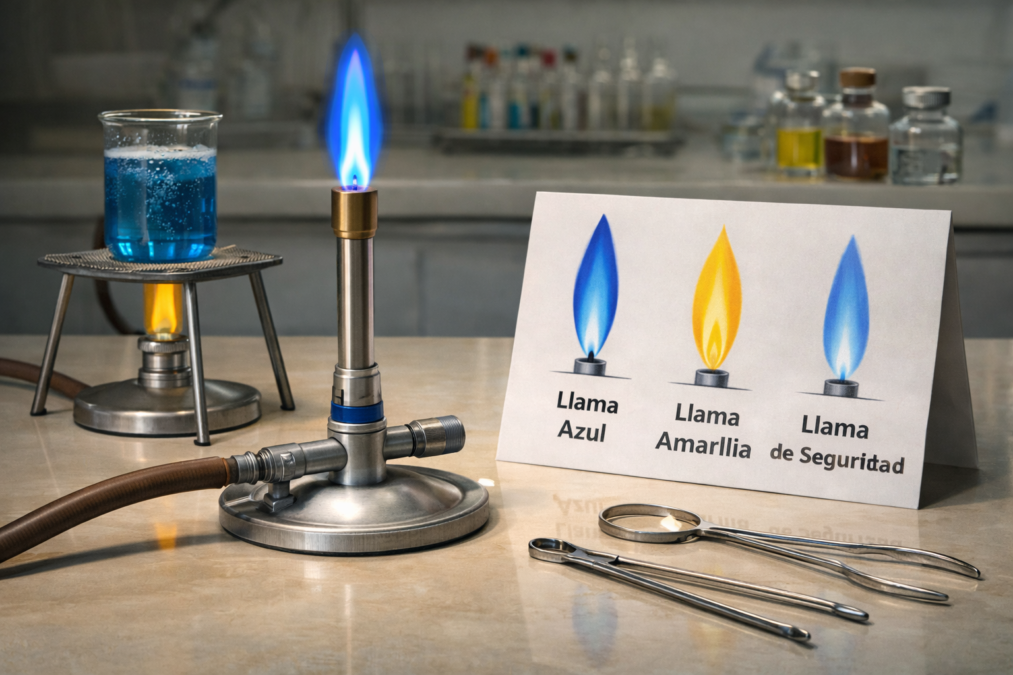
The amount of air entering the burner can be adjusted using the collar. More oxygen creates a stronger blue flame with higher heat, while less oxygen produces a yellow flame that is cooler.
This control system allows scientists and students to select the correct flame type for different experiments.
Uses in Science Laboratories
Bunsen burners have many uses in chemistry and biology laboratories. They are commonly used for heating liquids, melting materials, and preparing chemical mixtures.
Students often use them during practical lessons to understand combustion, chemical reactions, and heat transfer. Scientists also use them for sterilizing laboratory equipment and performing flame tests.
Flame tests are an important application because they help identify certain chemical elements. When substances are heated, they can produce different flame colors that provide useful information.
Benefits of Using Bunsen Burner Equipment
One of the biggest advantages of this equipment is its simplicity. Students can easily learn how to operate it and understand basic scientific concepts related to heat and combustion.
Another important benefit is its adjustable flame. Users can control the temperature according to the experiment, making the device suitable for many different tasks.
The equipment is also affordable and durable. With proper care and regular maintenance, a good-quality burner can serve laboratories for many years.
Safety Rules and Precautions
Safety is extremely important when working with laboratory flames. Users should always wear safety glasses, protective clothing, and follow laboratory instructions carefully.
Flammable materials should be kept away from the burner area. Before using the device, gas connections should be checked to avoid leaks or accidents.
A lit flame should never be left unattended. After finishing an experiment, the gas supply must be turned off properly to maintain a safe working environment.
Maintenance and Care
Proper maintenance helps keep laboratory burners working effectively. The equipment should be cleaned regularly to remove dust, chemical residue, or other materials that may affect performance.
Laboratory users should inspect the gas connection, air openings, and burner tube before use. Any damaged parts should be repaired or replaced immediately.
Regular care improves safety and increases the lifespan of the equipment.
Modern Alternatives
Modern laboratories now have several alternative heating methods, including electric heaters, hot plates, and infrared heating systems. These options may provide additional safety features and precise temperature control.
However, the traditional burner remains popular because it provides a clear demonstration of combustion and heating principles. It continues to play an important role in science classrooms around the world.
Conclusion
Bunsen burner equipment has remained one of the most valuable tools in laboratory science since its invention in the 19th century. Its simple design, adjustable flame, and reliable performance make it useful for students, teachers, and researchers.
Although it does not have personal details such as family, height, net worth, or social media because it is not a person, its scientific value and historical importance are significant. With proper safety practices and maintenance, this classic laboratory device will continue helping future generations learn and explore science.
