

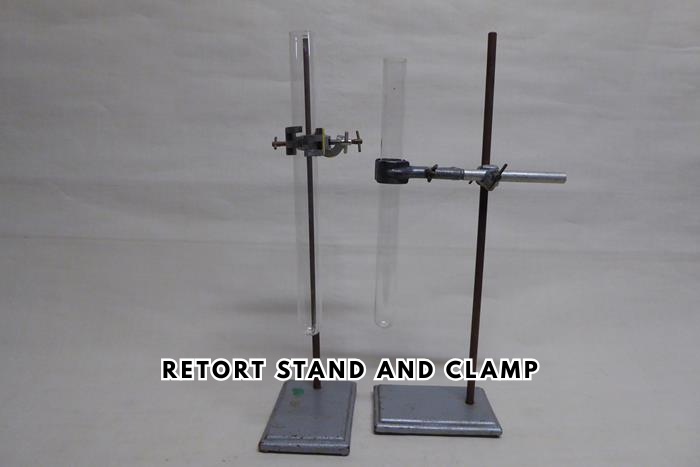
A retort stand and clamp is one of the most essential pieces of equipment found in science laboratories. Whether in schools, colleges, research centers, or industrial labs, it provides a stable support system for holding glassware and scientific instruments during experiments. Its simple design helps improve both safety and accuracy, making laboratory work more efficient.
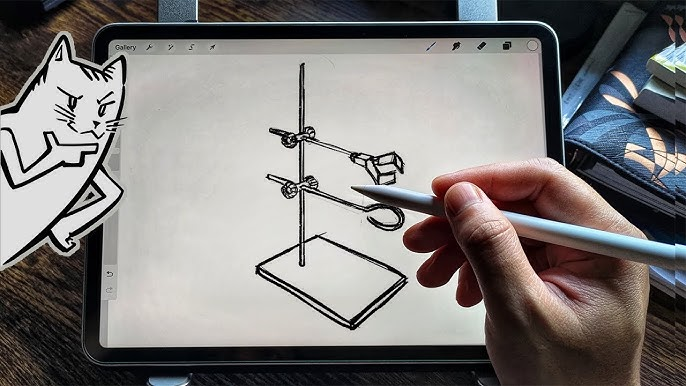
This laboratory tool consists of a heavy base, a vertical metal rod, and one or more adjustable clamps. Together, these components securely hold items such as test tubes, flasks, burettes, thermometers, and condensers. Because many scientific procedures require equipment to remain fixed in place, this support system has become an indispensable part of modern laboratories.
What Is a Retort Stand and Clamp?
A retort stand and clamp is a laboratory support device designed to keep equipment stable while experiments are performed. The stand provides a solid foundation, while the clamp grips laboratory apparatus firmly. Most stands feature a cast-iron or steel base to prevent tipping and a stainless-steel rod that allows clamps to be adjusted to different heights.
The clamp is attached to the rod using a boss head, which enables users to position equipment at the most suitable angle or height. This flexibility makes the tool suitable for a wide range of laboratory procedures, from simple classroom demonstrations to advanced scientific research.
Main Parts and Construction
The stand begins with a heavy base that keeps the structure balanced. This weight is important because laboratory glassware can become unstable, especially when heated or connected to additional equipment.
The vertical rod extends upward from the base and serves as the main support. Clamps can be attached anywhere along the rod, allowing users to customize the setup for different experiments.
The clamp itself is designed with adjustable jaws to hold various types of laboratory equipment. Many clamps feature rubber-coated grips that protect delicate glassware from scratches or breakage while providing a secure hold.
Common Laboratory Uses
One of the primary uses of a retort stand and clamp is supporting burettes during titration experiments. Since precise measurements depend on keeping the burette perfectly upright, a stable support is essential.
It is also widely used when heating chemicals. Laboratory flasks or beakers can be suspended safely above a Bunsen burner or hot plate without needing to be held by hand. This reduces the risk of spills and burns while improving control over the experiment.
In biology laboratories, the equipment supports test tubes, sensors, funnels, and other instruments during observation and testing. Physics laboratories also use it to hold apparatus during demonstrations and measurements.
Benefits of Using This Equipment
One of the greatest advantages of using this laboratory support system is improved safety. Holding hot or fragile equipment by hand can be dangerous, especially during experiments involving heat or chemicals. A stable stand minimizes these risks by keeping equipment securely in place.
Another benefit is precision. Scientific experiments often require exact positioning of instruments, and a sturdy support helps produce more accurate and repeatable results.
The adjustable design also increases versatility. A single stand can be used with different clamps and accessories, allowing it to support a variety of laboratory setups without requiring additional equipment.
Its durable metal construction means it can withstand years of regular use, making it a cost-effective investment for educational institutions and research facilities.
Choosing the Right Stand
When selecting laboratory equipment, the material and size should match the intended application. Stainless steel rods resist corrosion and are suitable for environments where chemicals are frequently used. Cast-iron bases provide excellent stability, especially when supporting larger pieces of glassware.
Users should also consider the type of clamp required. Burette clamps are ideal for titration work, while three-finger or utility clamps are better suited for holding flasks, condensers, and other laboratory vessels.
Choosing quality equipment ensures better performance, improved safety, and a longer service life.
Safety and Maintenance
Proper handling is essential for safe laboratory work. Before each experiment, users should inspect the stand, clamp, and boss head for signs of wear or loose fittings. The equipment should always be placed on a flat, stable surface before attaching glassware.
When tightening the clamp, enough pressure should be applied to hold the equipment securely without damaging fragile glass. After use, the stand should be cleaned to remove chemical residues and stored in a dry location to prevent corrosion.
Regular maintenance not only extends the life of the equipment but also helps ensure safe and reliable operation during future experiments.
Conclusion
A retort stand and clamp is a simple yet highly valuable laboratory tool that provides stability, flexibility, and safety during scientific experiments. Its strong construction, adjustable design, and compatibility with different laboratory instruments make it an essential part of chemistry, biology, physics, and research laboratories. Whether used for educational demonstrations or professional scientific work, this dependable support system continues to play a key role in achieving accurate and safe experimental results.
FAQs
Q: What is a retort stand and clamp?
A: A retort stand and clamp is laboratory equipment used to hold glassware and scientific instruments securely during experiments.
Q: Why is a retort stand and clamp important?
A: A retort stand and clamp improves safety, keeps equipment stable, and helps produce accurate experimental results.
Q: What equipment can a retort stand and clamp hold?
A: It can support burettes, test tubes, flasks, thermometers, funnels, and other laboratory apparatus.
Q: What materials are used to make a retort stand and clamp?
A: Most retort stand and clamp sets are made from stainless steel, cast iron, and durable metal components for long-lasting use.
Q: Where is a retort stand and clamp commonly used?
A: A retort stand and clamp is commonly used in school laboratories, universities, research centers, and industrial science labs.
