

Introduction to Oven Wattage
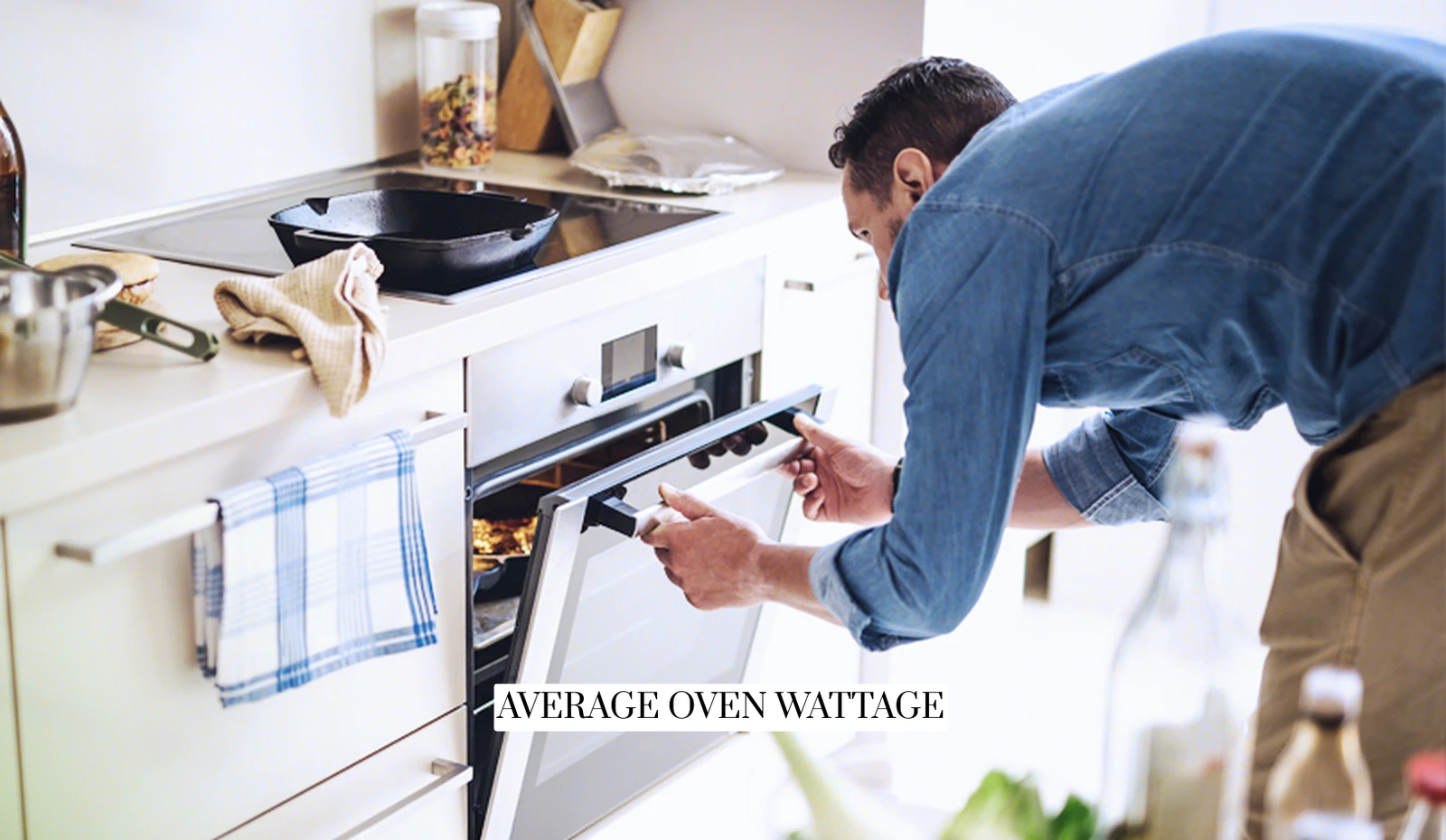
Average oven wattage is an important measurement that explains how much electrical power an oven uses while operating. It helps homeowners understand energy consumption, estimate electricity costs, and choose the right appliance for their kitchen. Whether you use an electric oven for baking, roasting, grilling, or everyday cooking, knowing its power requirements can help you make better decisions.
Different ovens have different wattage levels because their designs, sizes, and heating systems are not the same. A small countertop oven may use less electricity, while a large built-in electric oven with advanced features may require much more power. Understanding these differences is useful when comparing appliances and managing household energy use.
What Is Oven Wattage?
Oven wattage refers to the amount of electrical power an oven requires to function. It is measured in watts (W), which indicates how much energy an appliance uses when running. For example, an oven with a rating of 3,000 watts uses 3,000 watts of electricity when operating at full power.
The average oven wattage for most household electric ovens is usually between 2,000 and 5,000 watts. Smaller models often use less power, while larger ovens designed for heavy cooking may require higher wattage.
Wattage does not always mean an appliance is inefficient. A higher-powered oven may heat faster and complete cooking tasks more quickly, which can sometimes balance energy usage.
Different Types of Oven Power Ratings
Electric ovens are among the most common cooking appliances in modern homes. They use heating elements powered by electricity to create heat. Standard electric ovens usually require between 2,000 and 5,000 watts depending on their size and features.
Convection ovens generally use a similar amount of power but can offer better cooking efficiency. They include a fan that circulates hot air around food, helping meals cook more evenly and sometimes reducing cooking time.
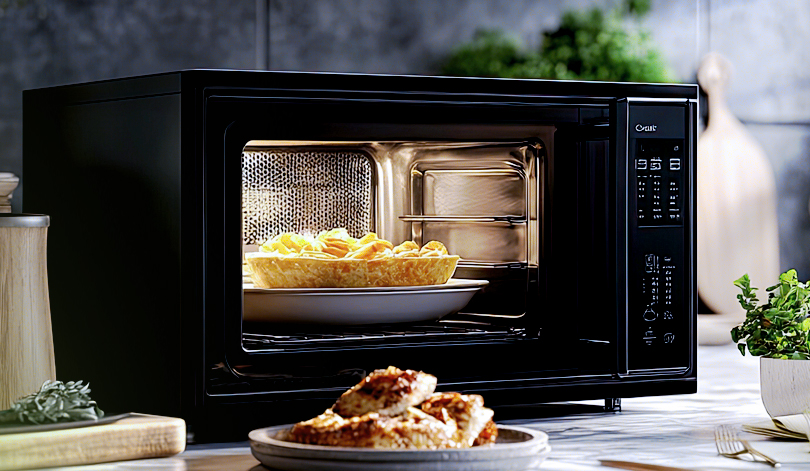
Countertop ovens and toaster ovens are smaller alternatives that usually consume less electricity. They are suitable for smaller meals and are often preferred by people who want a quicker cooking option without heating a large oven.
Gas ovens mainly use natural gas or propane for heat production. However, they still require some electricity for functions such as digital controls, interior lights, and automatic ignition systems.
Factors That Affect Oven Energy Consumption
Several factors influence how much electricity an oven uses. The size of the oven is one of the biggest factors. A large oven needs more energy because it must heat a bigger cooking area.
The temperature setting also affects energy use. Cooking at very high temperatures requires more power because the oven must work harder to maintain heat. Longer cooking times also increase electricity consumption.
Modern features can change energy requirements as well. Smart controls, self-cleaning functions, touchscreen displays, and additional heating modes may slightly increase power usage.
The quality of insulation also plays an important role. Well-insulated ovens can maintain heat better, reducing the need for continuous energy use.
Benefits of Understanding Oven Wattage
Knowing your oven’s power rating provides many advantages. One major benefit is better control over electricity expenses. When homeowners understand how much energy their oven consumes, they can adjust cooking habits and reduce unnecessary costs.
It also helps when purchasing a new appliance. Checking wattage allows buyers to compare different models and select one that matches their cooking needs and household electrical system.
Understanding power requirements can also prevent electrical problems. Some homes may not have wiring designed for very high-power appliances, so checking oven specifications before installation is important.
How to Reduce Oven Electricity Usage
There are several simple ways to make oven use more energy efficient. Avoid opening the oven door frequently because heat escapes every time the door is opened. The oven then needs additional energy to return to the desired temperature.
Cooking multiple dishes at the same time can also save electricity. Instead of using the oven several times throughout the day, preparing meals together reduces total operating time.
Cleaning the oven regularly can improve performance. Grease and food buildup may affect heating efficiency and cause the appliance to work harder.
Using smaller cooking appliances for small meals is another effective option. A countertop oven or toaster oven may use less energy than a full-sized oven when preparing simple dishes.
Choosing the Right Oven for Your Kitchen
Selecting the right oven depends on your cooking habits, family size, and energy goals. A large family may benefit from a powerful oven with more cooking space, while a smaller household may prefer a compact model.
Energy-efficient ovens are becoming increasingly popular because they provide strong performance while helping reduce electricity consumption. Features such as convection cooking, accurate temperature control, and improved insulation can improve efficiency.
Before purchasing, it is useful to check product specifications, energy information, and customer reviews. A carefully selected oven can provide reliable cooking performance while keeping long-term energy costs manageable.
Final Thoughts
Understanding average oven wattage helps homeowners become more aware of their appliance’s energy requirements. Oven power varies depending on the model, size, heating method, and additional features.
By learning how wattage affects electricity use, users can choose better appliances, lower energy waste, and create a more efficient kitchen. Whether you are replacing an old oven or purchasing a new one, understanding power consumption is an important step toward making a smart and practical choice.
FAQs
Q: What is average oven wattage?
A: Average oven wattage is the amount of power an oven uses, usually ranging from 2,000 to 5,000 watts for household electric ovens.
Q: How does oven wattage affect electricity costs?
A: Higher oven wattage can use more electricity, especially when the appliance runs for long cooking periods.
Q: Do small ovens use less wattage?
A: Yes, small countertop ovens usually have lower wattage because they heat a smaller cooking area.
Q: Can average oven wattage help choose an oven?
A: Yes, checking oven wattage helps you select a model that matches your cooking needs and energy budget.
Q: How can I reduce oven energy usage?
A: You can reduce energy use by avoiding unnecessary preheating, keeping the oven clean, and cooking efficiently.
