

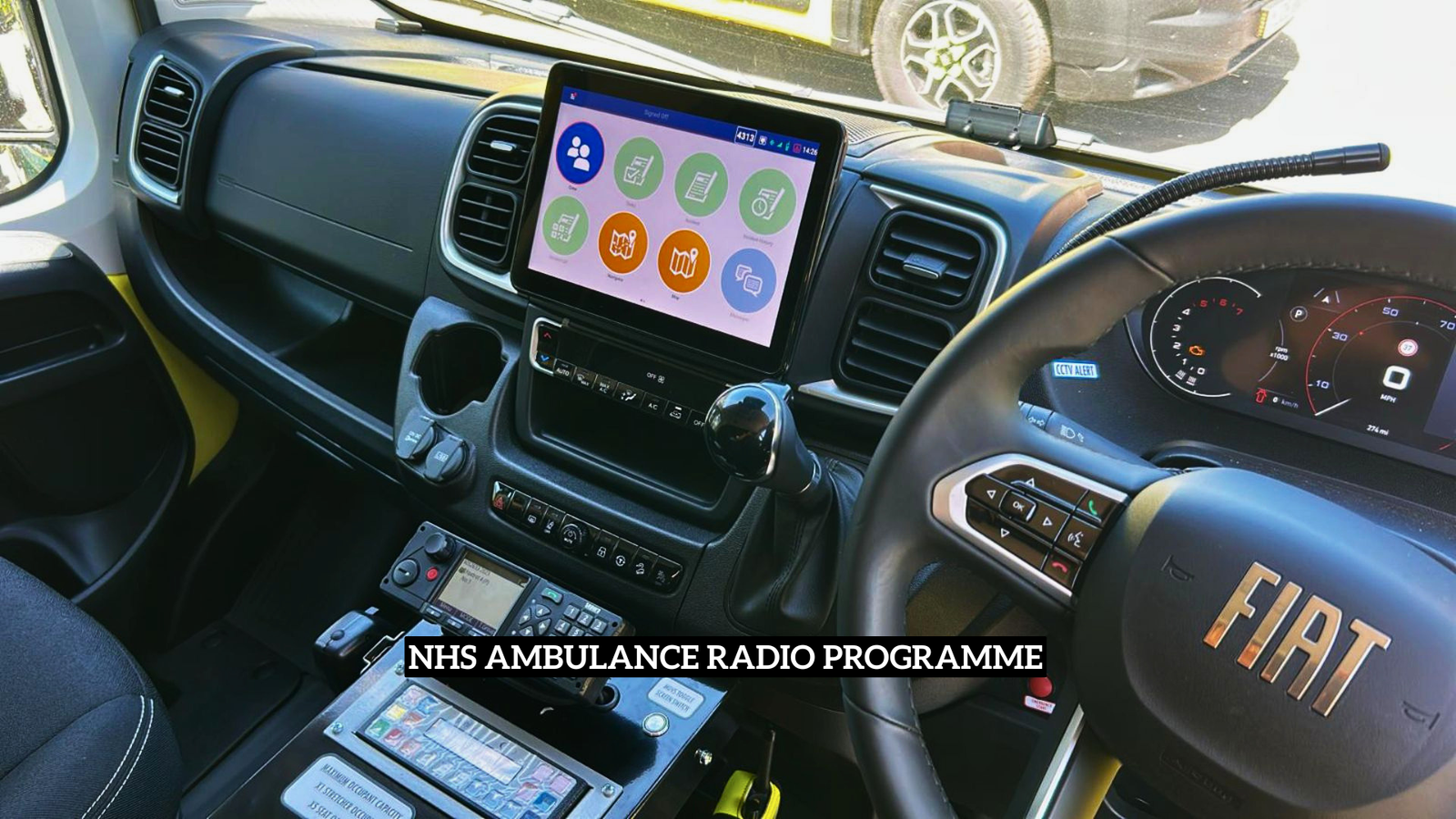
When someone dials 999, every second matters. Behind every ambulance response is a communication system that helps emergency teams stay connected from the first call to the patient’s arrival at the hospital. The NHS Ambulance Radio Programme is a key part of this system, providing modern communication technology that supports ambulance services across the United Kingdom.
Although many people have never heard of it, the NHS Ambulance Radio Programme plays an important role in helping paramedics, emergency dispatchers, and healthcare professionals work together. By delivering reliable communication tools and digital technology, the programme helps improve emergency response times and patient care.
What Is the NHS Ambulance Radio Programme?
The NHS Ambulance Radio Programme is a national initiative that develops and manages communication systems used by NHS ambulance services. Rather than being a public radio station, it is a secure network that allows ambulance crews and emergency control centres to exchange important information quickly and safely.
The programme works with ambulance trusts to provide modern communication equipment, digital services, and technology that support emergency operations. It also helps ambulance services prepare for future communication needs by replacing older systems with more advanced solutions.
Its main purpose is to ensure that ambulance crews remain connected wherever they are, allowing them to respond to emergencies with confidence and efficiency.
Why the Programme Is Important
Emergency medical services depend on clear and reliable communication. Dispatchers need to send accurate information to ambulance crews, while paramedics often need to update control rooms about patient conditions, traffic delays, or changes during an incident.
Without dependable communication, valuable time could be lost. The programme helps reduce these risks by providing secure and resilient communication systems that continue to operate even during large-scale emergencies.
Whether responding to road accidents, medical emergencies, or major public events, ambulance teams rely on these systems every day to coordinate their work effectively.
How the System Works
When an emergency call is received, the ambulance control centre gathers important details about the incident. Using digital communication technology, this information is quickly shared with the nearest available ambulance crew.
The crew receives the location, patient details, and any important updates while travelling to the scene. During the response, paramedics can communicate with the control room if they need additional support or resources.
The communication system also allows dispatchers to monitor ambulance locations and coordinate responses across different areas. This helps ensure that emergency vehicles are used efficiently and that patients receive assistance as quickly as possible.

Modern Technology Behind the Programme
Technology has changed significantly over the past decade, and ambulance communication systems have evolved alongside it. The programme supports the use of secure digital radio networks, mobile data devices, and advanced vehicle communication equipment.
Modern ambulances are equipped with technology that enables crews to receive information electronically rather than relying only on voice communication. Navigation systems, mobile terminals, and secure messaging allow crews to access important details while remaining focused on patient care.
The programme also supports ongoing improvements that prepare ambulance services for future communication networks and digital healthcare innovations.
Benefits for Patients and Ambulance Crews
One of the biggest advantages of the programme is faster communication. When information reaches ambulance crews without delay, they can prepare before arriving at the scene and make better decisions during emergencies.
Patients benefit because emergency teams receive more accurate information, allowing them to provide appropriate treatment sooner. Better communication also helps hospitals prepare for incoming patients before the ambulance arrives.
For ambulance staff, reliable communication improves teamwork, reduces misunderstandings, and provides access to support whenever needed. It also makes it easier to coordinate with police, fire services, and other emergency organisations during complex incidents.
Supporting Major Emergencies
Large public events, severe weather, transport accidents, and national emergencies place extra pressure on emergency services. During these situations, communication becomes even more important.
The programme is designed to support ambulance services during periods of high demand by providing dependable communication networks that help emergency teams stay connected. This allows control rooms to manage multiple incidents while ensuring ambulance crews continue receiving accurate information.
Reliable communication also improves coordination between different emergency agencies, helping them respond together when public safety is at risk.
Looking Ahead
Healthcare technology continues to develop, and ambulance communication systems are expected to become even more advanced in the coming years.
Future improvements may include stronger digital connectivity, better integration with hospital systems, enhanced mobile applications, and faster sharing of patient information. These developments will help ambulance services respond more efficiently while supporting safer and more effective patient care.
As emergency healthcare continues to evolve, communication will remain one of the most important tools available to ambulance professionals.
Conclusion
The NHS Ambulance Radio Programme is an essential part of the UK’s emergency healthcare system. While most people never see the technology behind an ambulance response, it plays a vital role in helping control rooms, paramedics, and hospitals communicate quickly and securely.
By providing reliable communication systems, supporting modern digital technology, and improving coordination during emergencies, the programme helps ambulance services deliver faster and more effective care. As new technology continues to emerge, the programme will remain an important foundation for improving emergency medical services and ensuring patients receive the help they need when every second counts.
FAQs
Q: What is the NHS Ambulance Radio Programme?
A: The NHS Ambulance Radio Programme is a secure communication system that helps ambulance services coordinate emergency responses across the UK.
Q: Why is the NHS Ambulance Radio Programme important?
A: The NHS Ambulance Radio Programme improves communication between control rooms and ambulance crews, helping patients receive faster emergency care.
Q: Who uses the NHS Ambulance Radio Programme?
A: The NHS Ambulance Radio Programme is used by NHS ambulance trusts, paramedics, emergency dispatchers, and control room teams.
Q: Does the NHS Ambulance Radio Programme use modern technology?
A: Yes, the NHS Ambulance Radio Programme supports secure digital communications, mobile data systems, and advanced emergency response technology.
Q: How does the NHS Ambulance Radio Programme benefit patients?
A: The NHS Ambulance Radio Programme helps ambulance teams share information quickly, improving response times and the quality of patient care.
