

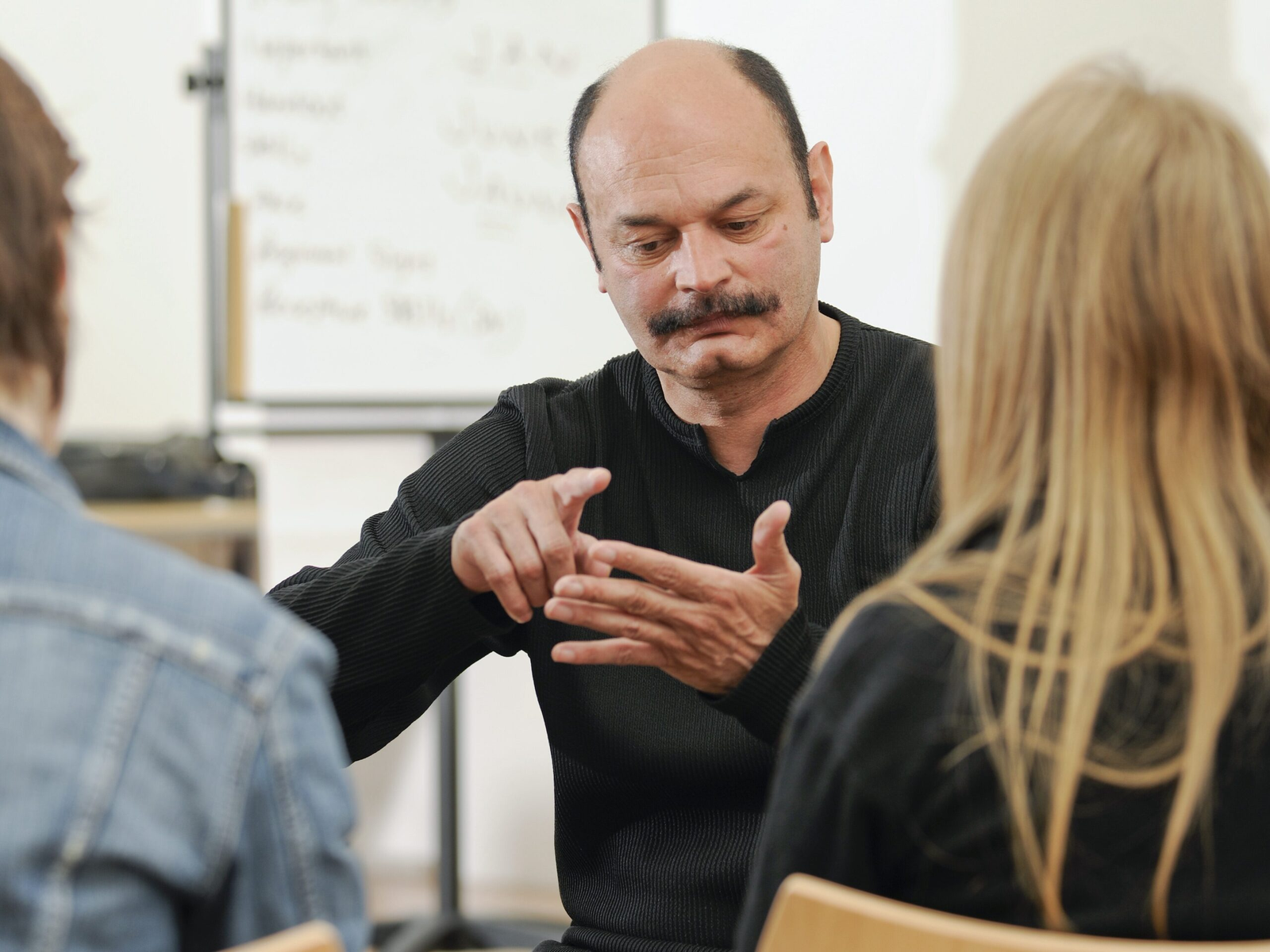
British Sign Language has become increasingly important for people who want to communicate more effectively with Deaf people in everyday, educational and professional settings. For learners in the West Midlands, BSL courses Birmingham UK can provide a practical route into learning a visual language while also developing greater awareness of Deaf culture and communication.
Whether someone is completely new to signing, has a Deaf family member, works in healthcare or education, or simply wants to develop a useful new skill, Birmingham offers opportunities to study at different levels. The important thing is to choose a course that matches your goals, timetable and preferred learning style.
What Is BSL?
British Sign Language, commonly called BSL, is a complete visual language used by Deaf people and others across the United Kingdom. It is not simply English translated into hand movements. BSL has its own vocabulary, grammar, sentence structure and linguistic rules.
The language was formally recognised by the UK Government as a language in its own right in March 2003. Signature notes that BSL is a visual-gestural language with grammatical principles that differ from English.
That distinction is important for new learners. Becoming comfortable with BSL involves much more than memorising individual signs. Students learn how facial expressions, body movement, handshape, signing space and visual attention contribute to meaning.
For this reason, a good course normally combines vocabulary with practical conversations and opportunities to practise receiving and producing signs.
Why Birmingham?
Birmingham is one of the UK’s largest cities and has a diverse community, making it a natural location for Deaf-awareness education and sign-language learning. The city also has organisations and learning centres connected with Deaf services and communication training.
People searching for BSL courses Birmingham UK can find different types of provision, including beginner classes, qualification-based study and training designed around professional or personal communication needs.
One advantage of studying locally is the opportunity to practise regularly with other learners and teachers. Classroom learning can make it easier to receive immediate feedback, notice mistakes and become more comfortable communicating visually.
For people who cannot attend every class in person, some approved centres may also provide remote or blended learning. Signature confirms that approved centres can deliver courses through classroom, blended and fully remote models where the required assessment conditions can be met.
Starting at Level 1
For someone with no previous experience, Level 1 is generally the natural starting point. Signature describes its Level 1 Award as an introductory qualification designed for beginners, and previous BSL experience is not required.
The qualification contains three units covering an introduction to BSL, conversational communication and communication about everyday life. Learners work with subjects such as meeting people, describing people, directions, food and drink, transport, interests, numbers and weather.
The current Signature specification gives a total qualification time of 90 hours, made up of 64 guided learning hours and 26 additional study hours. The exact timetable can vary between approved centres, so a learner should always check the schedule before enrolling.
The emphasis at this stage is practical communication. Students begin learning how to understand and produce simple BSL rather than attempting to master advanced conversations immediately.
Bio Table
| Detail | Information |
|---|---|
| Topic | BSL Courses Birmingham UK |
| Full Name | British Sign Language (BSL) |
| Type | Visual language and language-learning courses |
| Location | Birmingham, United Kingdom |
| Beginner Level | Level 1 |
| Advanced Levels | Level 2 to Level 6 |
| Suitable For | Beginners, families, professionals and students |
| Main Benefit | Improved communication with Deaf people |
| Qualification Route | Signature and approved training centres |
| Course Format | Classroom, online or blended, depending on provider |
| Age | Level 1 can be suitable for learners of different ages |
| Physical Appearance | Not applicable — BSL is a language, not a person |
| Family | Not applicable |
| Height | Not applicable |
| Net Worth | Not applicable |
| Social Media | Not applicable as BSL is a language rather than an individual |
Moving to Level 2
Learners who enjoy their first course and want stronger communication skills can progress to Level 2. Signature’s Level 2 Certificate builds on the foundation established at Level 1 and is designed around longer and more varied conversations.
The qualification involves approximately 150 hours of guided and independent learning. Students develop receptive, productive and conversational skills and encounter broader subjects, including real-life routines and everyday experiences. Regional variations in BSL may also be introduced during the course.
Level 2 is particularly useful for people who want to become more confident communicating with Deaf relatives, friends, colleagues or members of the public. It can also provide a foundation for further study.
Advanced Learning
BSL education does not stop at the beginner stage. Signature currently provides a progression route from Level 1 through Level 6, with each level designed to develop greater language ability and understanding.
Level 3 is aimed at learners developing stronger fluency and more formal communication. Higher levels increasingly explore advanced language use, linguistic understanding and professional applications.
Level 6 is positioned at the advanced end of the pathway and can be relevant to people working with BSL in professional environments or considering further development towards interpreting and translation.
This progression means that a learner does not have to decide at the beginning whether they want a basic introduction or an advanced qualification. They can build their skills gradually.
Who Can Learn?
One of the appealing features of beginner BSL education is that it is not restricted to one particular age group or profession. Signature states that its Level 1 qualification is open to all ages and does not require previous experience.
A young person might learn because they have a Deaf friend or family member. A parent may want to communicate more naturally with a Deaf child. A teacher may want to make classroom communication more inclusive, while a healthcare worker may want to improve communication with Deaf patients.
There is also a simple personal-development reason for learning. Some people enjoy learning languages and want to develop a communication skill that is different from spoken languages.
Benefits for Work
BSL skills can be valuable in jobs where communication with the public is an important part of the role. Education, healthcare, social care, customer service and community services are examples where stronger Deaf communication awareness can make everyday interactions more inclusive.
However, learners should be realistic about what a particular qualification represents. Completing a beginner course does not automatically make someone a professional interpreter. Interpreting requires substantially higher language competence and specialist training.
For many employees, the real benefit of introductory study is improved confidence. Knowing how to greet someone, exchange basic information and communicate simple ideas can make an interaction feel more comfortable for everyone involved.
Benefits Beyond Work
The value of learning BSL can extend well beyond employment. For families with Deaf relatives, learning the language can create more opportunities for natural communication at home.
It can also encourage learners to understand Deaf culture rather than viewing deafness only from a medical perspective. Language, identity, community and culture are important parts of the wider Deaf experience.
A classroom environment can also introduce learners to other people who have similar reasons for studying. That social element can make learning more enjoyable and provide encouragement when progress feels slow.
How You Learn
BSL is a visual language, so learning methods are naturally different from those used for many spoken-language classes. Watching a teacher carefully, copying signs accurately and practising conversations are central parts of the process.
Facial expression and body movement also matter. Signature’s Level 1 information specifically highlights the importance of facial expressions and gestures alongside vocabulary and conversation.
Learners therefore need patience. It is normal for the first few sessions to feel unfamiliar. Over time, repeated exposure makes signs easier to recognise and produce.
Regular practice outside the classroom is especially useful. Short, frequent practice sessions can help reinforce vocabulary and improve receptive skills.
Assessments
Formal qualifications include assessments designed to test whether learners can actually use and understand BSL. This makes them different from informal recreational classes where attendance may be the main objective.
At Level 1, Signature’s assessment structure includes three units. The first involves a basic conversation assessed internally, while the other units include externally assessed conversations based on course themes.
At Level 2, assessments include receptive, productive and conversational elements. The exact assessment requirements become more demanding as learners progress.
Anyone considering a qualification should read the current specification rather than relying on information from an old course advertisement. Signature publishes its latest qualification specifications and assessment regulations online.
Choosing a Course
When comparing BSL courses Birmingham UK, the first question should be what you actually want to achieve. Someone who simply wants basic communication skills may be perfectly happy with a beginner class, while someone seeking a recognised qualification should look for an approved centre delivering the relevant award.
Course timing is another practical consideration. Evening classes can suit people who work during the day, while daytime or intensive courses may suit learners with more flexible schedules.
It is also worth checking whether tuition is face-to-face, online or blended, how many learners are normally in a class, what resources are included and whether examination fees are included in the advertised price.
Most importantly, check accreditation. A course described as a “BSL class” does not necessarily lead to a nationally recognised qualification. Signature provides a centre-finder service for learners looking for approved providers.
Age and Entry Requirements
There is no universal age restriction for learning BSL. Signature states that its Level 1 qualification is suitable for all ages, including learners under 16, although individual centres may have their own policies concerning younger students.
For Level 1, previous signing experience is not required. Higher levels normally have progression requirements. For example, Signature states that learners enrolling on its Level 2 qualification need to have achieved the Level 1 certificate.
Because BSL relies on visual attention, hand movement and facial and body expression, qualification providers also publish competence requirements. Prospective learners should discuss any accessibility needs with the centre before enrolment.
Cost and Time
There is no single national price for a BSL class in Birmingham. Fees depend on the provider, course level, duration, assessment arrangements and resources.
Signature explains that course fees are set by individual approved centres. This means comparing the total cost is more useful than looking only at the headline tuition fee.
Learners should ask whether registration, assessment, learning materials and other charges are already included. It is also sensible to calculate the weekly study commitment before booking.
A course that fits comfortably around work, family and other responsibilities is often more sustainable than an intensive programme that becomes difficult to maintain.
What BSL Is Not
A common misunderstanding is that BSL is a universal sign language used throughout the world. It is not. Different countries have their own sign languages, and even within BSL there can be regional variations.
Another misconception is that BSL is simply signed English. It has its own grammar and structure, which is why genuine learning requires more than translating spoken English word for word. Signature specifically describes BSL as a language with its own grammatical principles.
Understanding this from the beginning can help learners approach their studies with the right expectations.
Personal Details of BSL
Because BSL is a language rather than a person or celebrity, details such as age, height, family, physical appearance and net worth do not apply. There is no individual person called “BSL” whose biography can be listed.
The relevant background is linguistic and cultural. BSL has its own history, grammar, vocabulary and community of users. Its recognition as a language in 2003 was an important milestone in the UK’s recognition of Deaf communication.
Similarly, there is no personal social-media profile for BSL itself. Learners interested in news, resources and qualification information should instead follow established Deaf organisations, awarding bodies and local training providers.

Final Thoughts
Choosing BSL courses Birmingham UK can be the beginning of a genuinely useful communication journey. Whether the goal is to communicate with family, improve workplace accessibility, support a Deaf community, or simply learn a fascinating visual language, Birmingham provides opportunities for beginners and more experienced learners.
The best approach is to start with a clear objective, choose an appropriate level and check the provider’s current timetable and accreditation. For those seeking formal progression, Signature offers a structured pathway from Level 1 through Level 6, while approved centres provide the teaching and assessment locally or through suitable online arrangements.
Learning BSL takes patience and consistent practice, but the reward is more than a certificate. It is the ability to communicate in a different way and, importantly, to make everyday interactions more accessible and welcoming for Deaf people.
