

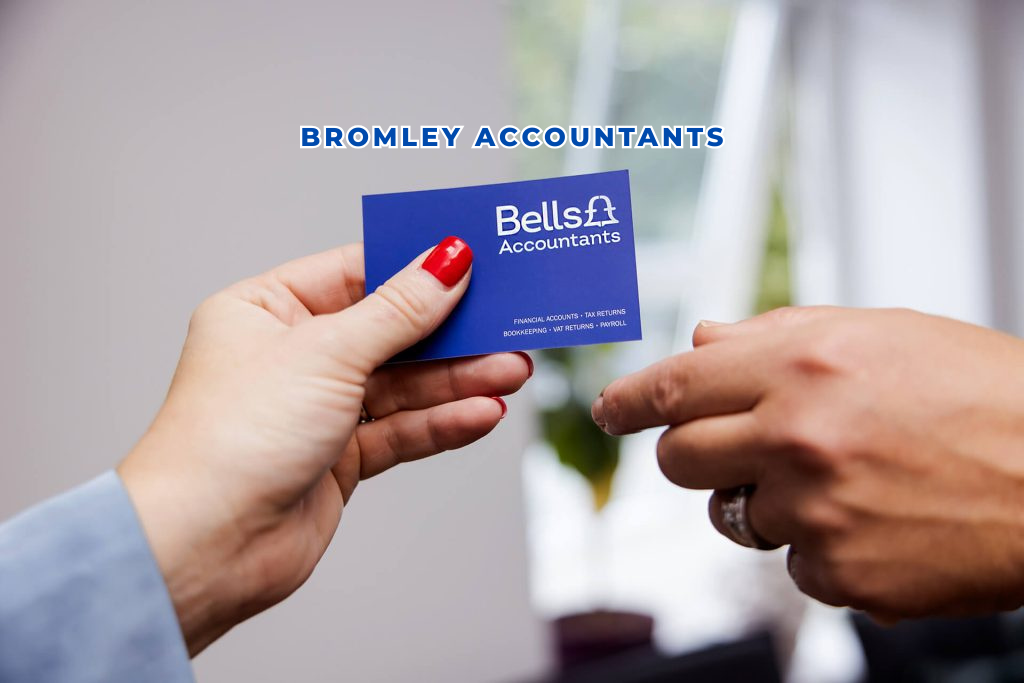
For many small businesses, finding the right Bromley accountants is no longer just about annual tax returns. In 2026, Making Tax Digital changes make bookkeeping and records more important for sole traders and landlords. From 6 April 2026, those with qualifying income above £50,000 from self employment and property must enter Making Tax Digital for Income Tax.
Not every business needs a full time accountant. The key question is what support you actually need. A freelancer may need Self Assessment and bookkeeping, while employers may need payroll, VAT, accounts and Corporation Tax. Tailoring services is often more efficient.
Many businesses in Bromley accountants also benefit from year round tax planning rather than end of year reviews. Digital accounting software has also made it easier for small firms to share records with accountants in real time. This reduces delays and improves accuracy of reporting. It also means accountants can give more timely advice, rather than reacting after financial year end figures are already fixed.
What has changed in 2026?
Making Tax Digital is a major reason sole traders and landlords should review accounting. From 2026, income above £50,000 triggers MTD from 6 April 2026. The threshold falls to £30,000 in 2027 and £20,000 in 2028. HMRC defines qualifying income as gross income before expenses, not profit. Software is required for digital records and quarterly updates. The first update is due 7 August 2026. Businesses should also consider how quarterly updates affect cash flow planning throughout the year.
This shift is important because it changes how tax reporting works in practice. Instead of one annual submission, taxpayers must now think in shorter cycles. That means income, expenses and tax liabilities need to be monitored more consistently. For some businesses, this will improve financial awareness. For others, it may feel like an additional administrative burden, especially if records have previously been kept informally.
It is also worth noting that penalties and compliance expectations are linked to digital record keeping. This makes it more important than ever to ensure that software is set up correctly from the beginning, rather than trying to fix errors later in the year.
What should accountants do?
A good accountant does more than year end accounts. Services include accounts, Self Assessment, VAT and Corporation Tax. Many also offer bookkeeping and payroll. Value comes from explaining numbers and helping decisions, not just compliance. Regular communication with an accountant can help identify tax liabilities early rather than at year end.
In practice, this means an accountant should act as both a compliance provider and a financial guide. For example, if a business is considering hiring staff, investing in equipment or changing pricing, an accountant should be able to explain the tax and cash flow impact of those decisions. This type of support can be just as valuable as preparing tax returns.
It is also important that Bromley accountants are proactive rather than reactive. Businesses benefit more when advice is given throughout the year, not just when deadlines approach. This is especially true under Making Tax Digital, where ongoing reporting is now part of the system.

Bookkeeping
Bookkeeping should be regular, not delayed. It shows income, spending and unpaid invoices. It also helps spot errors early. Under MTD, digital records are mandatory for affected taxpayers. Cloud systems allow bank feeds to automatically import transactions, reducing manual entry errors.
Accountants can manage or support systems depending on business size. Some businesses prefer full outsourcing, while others only need occasional checks or training. The key is consistency. Even a simple system, if maintained properly, is more effective than a complex system that is rarely updated.
Good bookkeeping also supports better decision making. For example, a business that tracks expenses accurately can quickly see where costs are increasing. It can also identify which customers are paying late, which can have a direct impact on cash flow.
VAT
VAT registration depends on turnover, not opinion. The threshold is £90,000 taxable turnover. Businesses must register if exceeded in 12 months or expected within 30 days. Monitoring turnover avoids penalties. Voluntary registration is also possible.
Some businesses choose voluntary registration even when below the threshold because it allows them to reclaim VAT on purchases. However, this decision depends on customer base. If most customers are not VAT registered, adding VAT to prices may make a business less competitive.
There are also different VAT schemes that may apply depending on the type of business. These can affect how VAT is calculated and reported. Choosing the right scheme can simplify administration or improve cash flow, but it should always be reviewed carefully.
Limited companies
Companies pay Corporation Tax on profits, not turnover. Rates are 19% and 25% with Marginal Relief between thresholds. Calculations depend on adjustments and reliefs. Loss reliefs and capital allowances can significantly affect final tax bills.
This is where accounting becomes more technical. Profit shown in business records is not always the same as taxable profit. Adjustments may be needed for depreciation, entertainment costs, capital expenditure and other items. Without proper accounting treatment, a company may overpay or underpay tax.
Accountants help ensure accuracy and explain results in a way that business owners can understand. This is particularly important when planning investments or assessing business performance over time.
Payroll
Payroll requires accuracy and reporting. Small firms may manage it initially, but complexity increases with staff. Services reduce errors and save time. Real Time Information must be submitted to HMRC on or before payday. Always check what is included in payroll packages.
Payroll is not just about paying employees. It also involves statutory deductions, pension contributions, holiday pay calculations and compliance with employment rules. Mistakes can lead to penalties or employee dissatisfaction, so many businesses prefer to outsource this function once they reach a certain size.
It is also important to ensure payroll systems are integrated with accounting records. This helps avoid duplication and ensures that wage costs are correctly reflected in financial reports.
Choosing firms
Start with needs. Sole traders need less than companies. Compare services, not just price. Check qualifications and experience. Ask about software, communication and support. ICAEW directories help verify firms. Local knowledge can also be useful for businesses operating in Bromley, especially when dealing with regional business rates, property income or local trading conditions.
It is also worth considering how accessible the accountant is. Some firms offer fixed monthly packages with regular contact, while others operate on a more ad hoc basis. The right choice depends on how much support you want throughout the year.
Finally, consider whether the accountant understands your industry. A firm that regularly works with similar businesses is more likely to provide relevant advice and anticipate common issues before they become problems.
Final Thought
Choosing the right Bromley accountants can make tax, bookkeeping and payroll easier to manage. The best accountant should provide clear advice, accurate records and support that matches your business needs.
In 2026, with Making Tax Digital becoming more important, keeping finances organised throughout the year is more valuable than waiting until tax deadlines.
FAQs
Q: What do Bromley accountants offer?
A: Bromley accountants can provide bookkeeping, tax, VAT, payroll, accounts and business advice.
Q: When does Making Tax Digital apply in 2026?
A: It applies from 6 April 2026 to qualifying income above £50,000 from self employment and property.
Q: What is the VAT registration threshold?
A: The current VAT registration threshold is £90,000 of taxable turnover.
Q: Can Bromley accountants handle payroll?
A: Yes. Many accountants manage payroll, PAYE reporting, deductions and employee payment records.
Q: How can I choose Bromley accountants?
A: Compare their services, qualifications, fees, software support, communication and experience with your business type.
