


Soup kitchens in Birmingham are an essential part of the city’s support system for people who are facing food insecurity, homelessness, loneliness, and financial hardship. These services are not commercial businesses; instead, they are community-driven efforts powered by donations and volunteers. Every day, local people come together to cook, serve, and distribute meals to those who need them most. A Soup Kitchen Birmingham Volunteer plays an important role in making sure these services run smoothly and consistently.
The idea of a Soup Kitchen Birmingham Volunteer does not refer to a single individual or public personality. Instead, it represents many ordinary people who give their time and energy to help others. These volunteers may come from different professions, age groups, and cultural backgrounds, but they share one common purpose: supporting people in need through food and care.
What a Soup Kitchen Is
A soup kitchen is a place where free meals are provided to individuals who cannot afford food or are experiencing difficult life situations. In Birmingham, these kitchens are often managed by charities, religious groups, and community organizations that depend heavily on donations and public support.
A Soup Kitchen Birmingham Volunteer helps transform donated ingredients into hot, ready meals that can be served to large numbers of people. Without volunteers, it would be extremely difficult for these kitchens to operate effectively. Many soup kitchens in Birmingham run several days a week, while some operate daily due to increasing demand caused by rising living costs and economic pressure.
In recent years, the need for food support has grown significantly across the city. This has made the role of a Soup Kitchen Birmingham Volunteer even more important in ensuring that vulnerable individuals continue to receive basic meals and support.
Volunteer Role in Birmingham
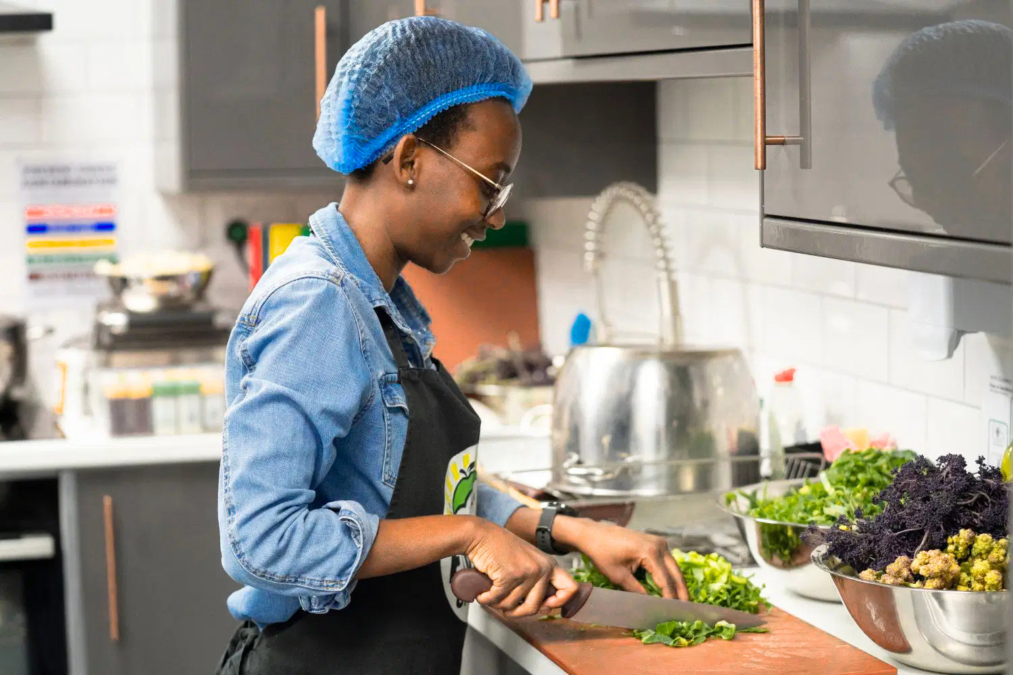
The role of a Soup Kitchen Birmingham Volunteer is practical, hands-on, and community-focused. Volunteers assist with different stages of food service, starting from preparation to cleaning up after service. Tasks may include chopping vegetables, cooking meals in large quantities, and organizing food portions for distribution.
During service hours, a Soup Kitchen Birmingham Volunteer helps serve meals, manage queues, and ensure that guests are treated with dignity and respect. The environment in soup kitchens is built on kindness and equality, where everyone is welcomed without judgment.
After meals are served, volunteers help clean cooking equipment, wash dishes, and reset the kitchen for the next shift. These tasks are essential for maintaining hygiene and keeping operations running efficiently. A Soup Kitchen Birmingham Volunteer contributes not only physical effort but also emotional support by interacting with guests and creating a friendly atmosphere.
Who Can Become a Volunteer
Soup kitchens in Birmingham are open to a wide range of people. A Soup Kitchen Birmingham Volunteer can be a student, a working professional, a retired individual, or even part of a family group. Most organizations encourage participation from anyone who is willing to help and follow basic guidelines.
No special qualifications or experience are required. Training is usually provided at the start, covering food safety, hygiene rules, and general kitchen procedures. This makes volunteering accessible to people from all walks of life, allowing more members of the community to get involved in meaningful service work.
Age Requirements and Participation
Age requirements vary depending on the organization running the soup kitchen. In many cases, individuals aged sixteen and above are allowed to volunteer under supervision. Some services require volunteers to be eighteen or older, especially for independent shifts or evening operations.
Certain community programs also allow families to volunteer together, giving younger participants the chance to observe and support under adult supervision. This flexible structure ensures that the role of a Soup Kitchen Birmingham Volunteer remains inclusive and open to different age groups.
Personal Details and Misconceptions
It is important to understand that a Soup Kitchen Birmingham Volunteer is not a public figure or celebrity. There are no official records related to personal details such as height, family background, net worth, or social media presence.
Volunteers are everyday people who choose to contribute their time without expecting financial gain or public recognition. Their value is based on service, not personal identity or lifestyle. Each Soup Kitchen Birmingham Volunteer is simply someone who chooses to support the community through action rather than attention.
Daily Work Experience
A typical volunteering shift begins with preparation work, where kitchen areas are cleaned, ingredients are organized, and cooking stations are set up. Meals are prepared in large batches to serve many people efficiently.
During service time, a Soup Kitchen Birmingham Volunteer helps distribute food, assist guests, and maintain order in serving areas. Interaction with guests is an important part of the experience, as it helps create a respectful and welcoming environment.
After the meal service ends, cleaning duties begin. Volunteers wash utensils, clean surfaces, and prepare the kitchen for future use. Even a short shift can make a significant difference, as it helps feed dozens or even hundreds of individuals in a single day.
Community Impact
Soup kitchens in Birmingham provide far more than just meals. They offer emotional support, human connection, and a safe space for people going through difficult times. Many individuals rely on these services not only for food but also for companionship and dignity.
The presence of a Soup Kitchen Birmingham Volunteer helps strengthen this supportive environment. Volunteers ensure that every guest is treated with respect and kindness, regardless of their background or situation. These services play a major role in reducing isolation and supporting vulnerable members of society.
As economic challenges continue, the importance of soup kitchens and volunteers has increased significantly across Birmingham. Community-based food services have become a lifeline for many households struggling with rising costs.
Skills and Personal Growth
Volunteering in a soup kitchen also helps individuals develop valuable life skills. A Soup Kitchen Birmingham Volunteer often learns teamwork, communication, time management, and problem-solving through hands-on experience.
In addition to practical skills, volunteers also develop empathy and a better understanding of social challenges. Working closely with people from different backgrounds helps build awareness and compassion. These experiences can also be useful for future careers in healthcare, social work, hospitality, and public services.
Challenges of Volunteering
While rewarding, volunteering can also be physically and emotionally demanding. Kitchens can become busy, especially during peak meal times, requiring quick coordination and efficient teamwork. Long standing hours and repetitive tasks can be tiring for some volunteers.
There may also be emotional challenges when interacting with individuals facing difficult life situations. However, many volunteers find that the experience is deeply meaningful and fulfilling despite these challenges. The sense of making a positive difference often outweighs the difficulties.
Conclusion
Soup kitchens are a vital part of Birmingham’s community support system, providing food, care, and dignity to those in need. They rely heavily on the dedication of volunteers who ensure these services continue to operate effectively.
A Soup Kitchen Birmingham Volunteer represents the spirit of kindness, cooperation, and community service. Through their efforts, many individuals receive not only meals but also hope and human connection.
In a city as diverse and dynamic as Birmingham, volunteering in soup kitchens continues to play an important role in building a stronger, more compassionate society for everyone.
FAQs
Q: What does a Soup Kitchen Birmingham Volunteer do?
A: They help prepare, cook, serve food, and support people in need at community kitchens.
Q: Who can become a Soup Kitchen Birmingham Volunteer?
A: Anyone from the community, including students, adults, and seniors, can usually volunteer.
Q: Is experience needed to volunteer in a soup kitchen?
A: No, most places provide basic training and welcome beginners.
Q: What age is required to volunteer?
A: Many kitchens accept volunteers from 16 or 18 years old depending on the organization.
Q: Do Soup Kitchen Birmingham Volunteers get paid?
A: No, it is unpaid community work done to help people in need.
