

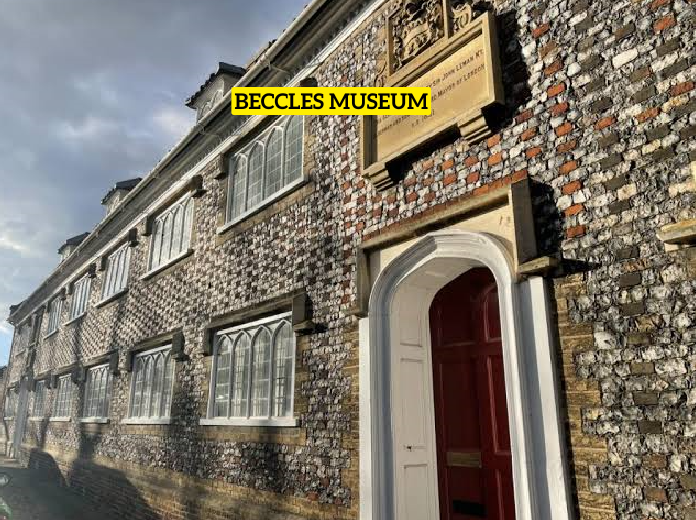
Beccles Museum is a well-known local heritage attraction in Beccles, Suffolk, England, that preserves the stories, traditions, and memories of the local community. Unlike a celebrity or public figure, it does not have personal details such as age, family, height, or net worth. Instead, its identity comes from its historic collections, important building, exhibitions, and the dedicated people who protect the past.
The museum gives visitors a chance to explore how people lived, worked, and developed the town over many centuries. Through old photographs, documents, historical objects, and local discoveries, it creates a connection between modern visitors and previous generations who shaped the area.
History and Foundation
The story of Beccles Museum began in 1976, when local history supporters created an organisation to collect and protect items connected with Beccles and nearby communities. The main goal was to preserve local memories and make them available for future generations.
During its early years, the museum operated from smaller spaces while its collection continued to grow. As more historical items were collected, the need for a larger and more suitable home became important.
In 1996, the museum moved into Leman House, located on Ballygate in Beccles. This historic building provided more space for exhibitions and allowed visitors to enjoy a better experience while exploring the town’s past.
The Historic Leman House
The building that houses the museum is an important part of its story. Leman House is a 16th-century Grade I listed building, which means it has special historical and architectural value.
The old design, traditional features, and historic atmosphere make every visit unique. Visitors are not only viewing museum displays but also walking through a building that has its own connection to the past.
When discussing the age of Beccles Museum, there are two important dates to remember. The museum itself was established in 1976, while the building it occupies is several centuries old. Together, they represent a long journey of preservation and community history.
| Detail | Information |
|---|---|
| Name | Beccles & District Museum |
| Type | Local History Museum |
| Location | Beccles, Suffolk, England |
| Established | 1976 |
| Current Location | Leman House, Ballygate |
| Building Age | 16th-century historic building |
| Founder | Local history supporters |
| Managed By | Volunteers, trustees, and supporters |
| Main Purpose | Preserving local history and heritage |
| Collections | Artefacts, photographs, documents, and local records |
| Family | Not Applicable (Museum) |
| Siblings | Not Applicable (Museum) |
| Height | Not Applicable (Museum) |
| Physical Appearance | Historic Grade I listed building |
| Net Worth | Not Applicable |
| Lifestyle | Community heritage and educational activities |
| Social Media | Official website and online platforms |
| Famous For | Protecting the history of Beccles and surrounding areas |
Collections and Historical Displays
The main purpose of the museum is to collect, protect, and display items related to local life. Its collections include photographs, documents, archaeological objects, household items, and materials connected with the development of Beccles.
The displays help visitors understand how everyday life changed through different periods. Items from homes, workplaces, schools, and local businesses show how people lived and contributed to the growth of the town.
Many objects have been donated by local families who wanted their personal stories and memories to become part of the wider community history. Each item adds another piece to the story of Beccles.
Exhibitions and Local Stories
The museum regularly creates exhibitions that focus on interesting parts of local history. One example is its postcard exhibition, which presents historic postcards and explains the stories behind them.
Old postcards provide valuable information about streets, buildings, landscapes, and social life from earlier times. They help visitors see how the town changed over the years and understand the importance of preserving old memories.
Special exhibitions also encourage people of all ages to learn about history in an enjoyable way. Families, students, and tourists can discover new information through carefully arranged displays.
Community Support and Volunteers
Although Beccles Museum does not have a family, siblings, or personal relationships like a person, it has a strong community network. Volunteers, trustees, supporters, and local history enthusiasts are the people who help keep the museum active.
These dedicated individuals assist with organising exhibitions, caring for collections, welcoming visitors, and researching historical information. Their efforts ensure that valuable stories are not lost.
The museum can be viewed as a shared family of local memories. Every donated photograph, document, or object represents a connection between past and present generations.
Net Worth and Financial Background
A traditional celebrity-style net worth does not apply to this museum because it is a heritage organisation rather than an individual. Its value is not measured by personal wealth but by the historical knowledge and cultural importance it provides.
The museum receives support through donations, visitor contributions, fundraising activities, and community involvement. Much of its success comes from people who believe in protecting local history.
The true worth of the museum is the collection of stories, objects, and memories that it preserves for future generations.
Physical Appearance and Building Details
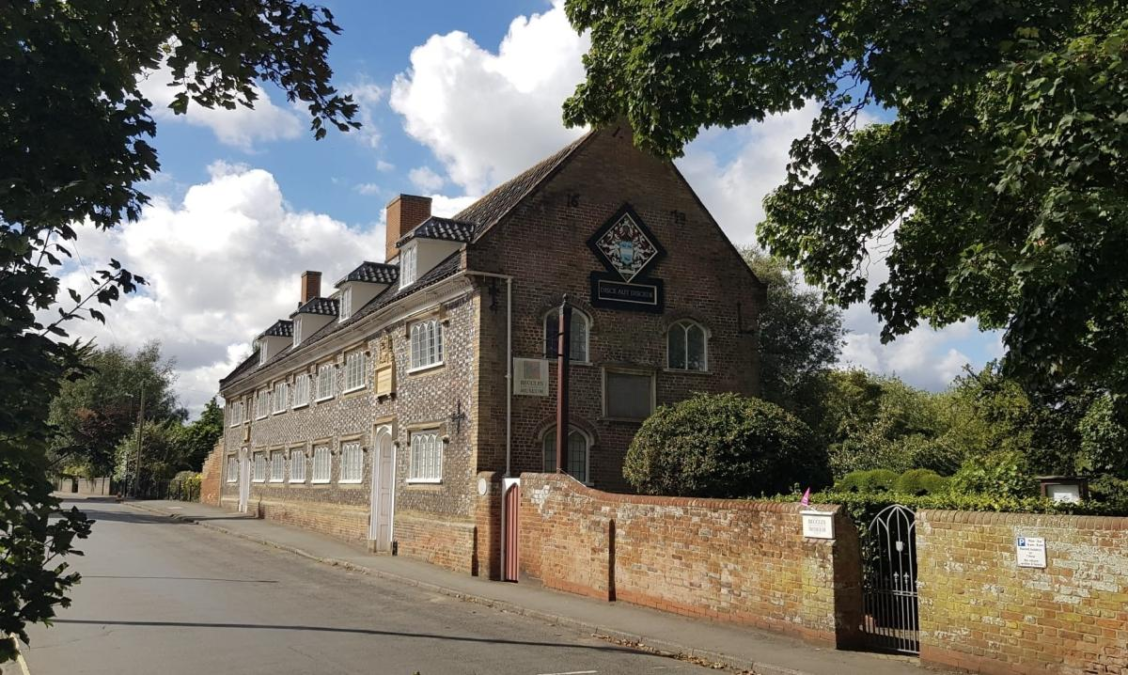
Questions about height, weight, or physical appearance are normally connected with people, so they do not apply to a museum. Instead, the physical identity of this place comes from its historic architecture and carefully maintained displays.
Leman House gives the museum a traditional appearance with its old structure and character. The combination of a historic building and meaningful exhibitions creates a warm environment for visitors.
The design of the building helps create a feeling of stepping back in time while exploring the history of Beccles.
Visitor Experience and Cultural Importance
The museum offers an educational and enjoyable experience for visitors interested in local history. People can explore different exhibitions, learn about community changes, and discover stories from previous generations.
For tourists, it provides a deeper understanding of Suffolk’s heritage. For local residents, it acts as a place where family memories and community traditions are protected.
Although a museum does not have a lifestyle like a person, its daily role is to educate, inspire curiosity, and bring people closer to history.
Social Media and Online Presence
Modern museums use digital platforms to connect with visitors, and Beccles Museum shares information online about exhibitions, events, and visitor details.
Its online presence helps people discover what the museum offers before planning a visit. It also allows the organisation to share updates and encourage more people to explore local history.
Through digital communication, the museum continues its mission of making heritage available to a wider audience.
Why Beccles Museum Is Important
Local museums play an important role in protecting the identity of communities. They preserve stories that might otherwise disappear and help younger generations understand the experiences of people who lived before them.
Beccles Museum continues to protect the history of Beccles through its collections, exhibitions, and community work. It is more than a place filled with old objects; it is a record of the people, events, and traditions that shaped the town.
Conclusion
Beccles Museum is an important historical attraction in Suffolk that combines a centuries-old building with valuable local collections. Since its creation in 1976, it has worked to preserve the heritage and memories of the Beccles community.
While details such as family, height, and personal net worth do not apply, the museum has a different type of value. Its real importance comes from the stories it protects, the knowledge it shares, and the connection it creates between the past and the present. Through the work of volunteers and supporters, it continues to keep local history alive for future generations.
