

Introduction
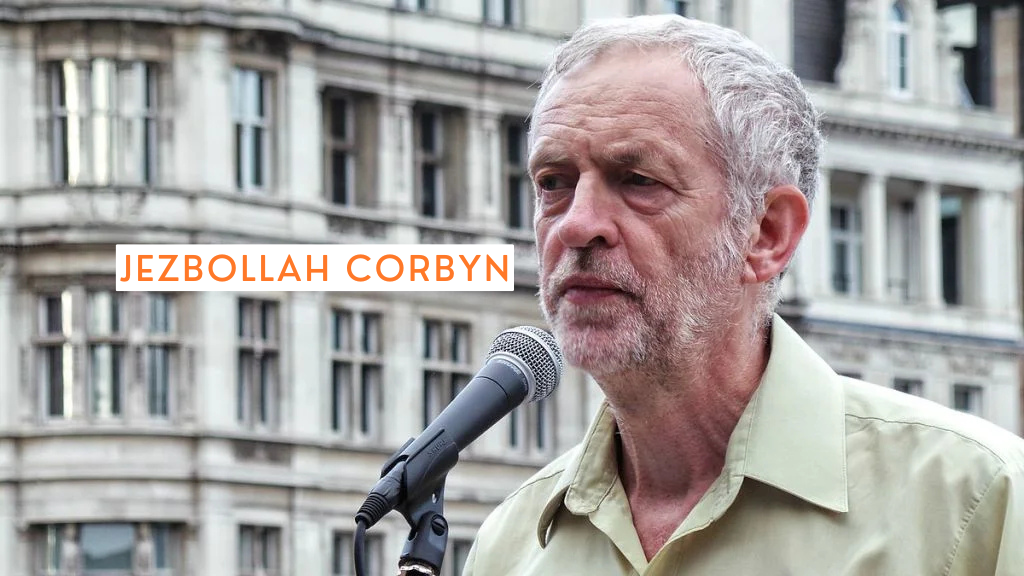
The term “Jezbollah Corbyn” is not a real person or official identity but an internet-created nickname that circulated widely across social media and political discussion platforms. It is mainly used in reference to Jeremy Corbyn, a British politician who served as the leader of the Labour Party from 2015 to 2020. The phrase blends his name with a distorted reference to “Hezbollah,” a political organization in Lebanon, forming a controversial label that is often used in online debates rather than formal political analysis.
Over time, Jezbollah Corbyn became a shorthand used in political arguments, especially among critics who disagreed with Corbyn’s foreign policy positions. However, it is important to understand that this is not a factual title or real identity but rather a product of internet meme culture. The real individual behind the name has a long political career that extends far beyond online labels.
Origin of the Term
The phrase Jezbollah Corbyn first appeared in online discussions during heated political debates in the United Kingdom, particularly those involving Middle East policy and Britain’s foreign relations. It was never introduced by official media outlets or political organizations but instead emerged organically from social media commentary and online forums.
The nickname is closely linked to a controversial moment in Jeremy Corbyn’s past, when he referred to representatives of Hamas and Hezbollah as “friends” during a 2009 parliamentary event. This statement resurfaced years later and became a major point of criticism when he was leading the Labour Party. Although Corbyn later explained that the term was used in a diplomatic sense and not as endorsement, the wording continued to be debated heavily.
As online political discussions intensified, critics combined his name with “Hezbollah,” forming the label Jezbollah Corbyn, which quickly spread as a meme-style political insult.
Political Career Overview
Jeremy Bernard Corbyn is a long-serving British politician who has been a Member of Parliament since 1983, representing Islington North. Throughout his political journey, he developed a reputation for strong left-wing positions, including opposition to military intervention, support for public ownership, and advocacy for social equality.
When he became Labour Party leader in 2015, his leadership marked a major ideological shift within the party. Supporters saw him as a voice for ordinary people and working-class communities, while critics argued that his policies were too radical for mainstream governance. During this period, Jezbollah Corbyn began appearing more frequently in political commentary as debates about his foreign policy stance intensified.
His leadership period remains one of the most discussed phases of modern British politics, both for its popularity among grassroots supporters and for the internal divisions it created within the Labour Party.
The Controversial Statement
One of the most significant reasons the term Jezbollah Corbyn gained attention was due to Corbyn’s 2009 comments about Hamas and Hezbollah. During a parliamentary discussion, he referred to members of these groups as “friends,” a phrase that later caused widespread controversy.
Critics interpreted the statement as supportive of organizations involved in conflict, while Corbyn later clarified that the wording was intended in a diplomatic context rather than as approval of their actions. He also acknowledged that the choice of words was inappropriate and could easily be misunderstood.
Despite his clarification, the issue continued to be used in political debates and media coverage. As a result, Jezbollah Corbyn became a recurring label in online discussions, especially among opponents of his political ideology.
Early Life and Background
Jeremy Corbyn was born on 26 May 1949 in Chippenham, Wiltshire, England. As of 2026, he is 76 years old. He grew up in a family environment that encouraged awareness of social issues, which played a key role in shaping his political views from an early age.
His interest in activism began early in life, particularly around issues of inequality, workers’ rights, and international peace. These values remained consistent throughout his political career and defined much of his public identity. Even discussions surrounding Jezbollah Corbyn cannot be separated from the broader political ideology that shaped his public life.
Family and Personal Life
Corbyn has been married twice and has three children from his second marriage. He has generally kept his family life private, despite his long public career. His brother, Piers Corbyn, is also a public figure known for weather forecasting and political activism, although their political views differ significantly.
Family life has remained mostly separate from his political identity, which has helped maintain a boundary between public responsibilities and private relationships.
Height, Appearance, and Public Image
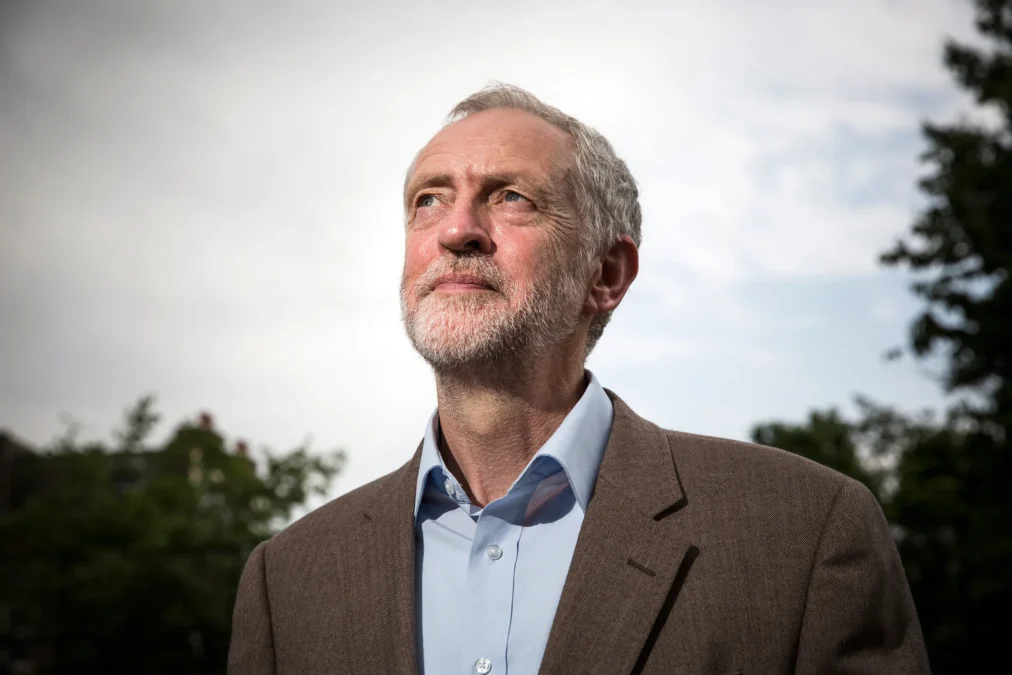
Jeremy Corbyn stands at approximately 5 feet 9 inches (1.75 meters) and is widely recognized for his informal and relaxed appearance. Unlike many traditional politicians, he is often seen without a tie and prefers simple clothing, which has contributed to his image as a down-to-earth political figure.
This informal style became part of his identity and reinforced the perception of him as someone closely connected to ordinary citizens. Even when the phrase Jezbollah Corbyn is used in online discussions, it often ignores this broader public image and focuses only on political controversies.
Lifestyle and Personal Habits
Corbyn is known for maintaining a modest lifestyle, living in North London for many years and avoiding luxury-oriented public displays. He frequently uses public transport and has consistently emphasized grassroots engagement in his political work.
His lifestyle contrasts with many high-profile politicians, reinforcing his reputation as someone who prefers simplicity over political prestige. This aspect of his life is often overlooked in online narratives that focus heavily on labels such as Jezbollah Corbyn rather than his long-standing public service.
Net Worth and Financial Profile
There is no officially confirmed detailed net worth available for Jeremy Corbyn. His income primarily comes from his long career as a Member of Parliament. He does not have known business holdings or commercial ventures associated with his name.
As a result, financial estimates found online are speculative and not verified. His financial profile is consistent with that of a career politician rather than a wealthy public figure.
Social Media Presence
Jeremy Corbyn maintains an active presence on platforms such as X (formerly Twitter) and Facebook, where he shares political opinions, campaign messages, and social justice initiatives. His communication style is direct and simple, reflecting his long history as an activist.
Online, his presence is often accompanied by political debates, and sometimes the label Jezbollah Corbyn appears in comment sections as part of ongoing ideological disagreements.
Public Perception
Jeremy Corbyn remains a deeply polarizing figure in British politics. Supporters view him as principled, honest, and committed to social justice, while critics argue that his positions are controversial and politically challenging.
The nickname Jezbollah Corbyn reflects how internet culture simplifies complex political debates into short, viral labels. While it is widely recognized online, it does not represent an official or factual identity and is mostly used in informal or critical contexts.
Conclusion
The term Jezbollah Corbyn is best understood as an internet meme rather than a real identity or biography. It emerged from political debates, controversial statements, and online satire surrounding Jeremy Corbyn’s long political career.
Jeremy Corbyn himself is a real political figure with decades of parliamentary experience, known for his consistent ideological stance and involvement in British politics. While online labels like Jezbollah Corbyn continue to circulate in digital spaces, they should not be confused with factual biography or official titles.
Understanding the difference between internet-created terms and real-world individuals is essential for interpreting modern political discourse accurately.
