

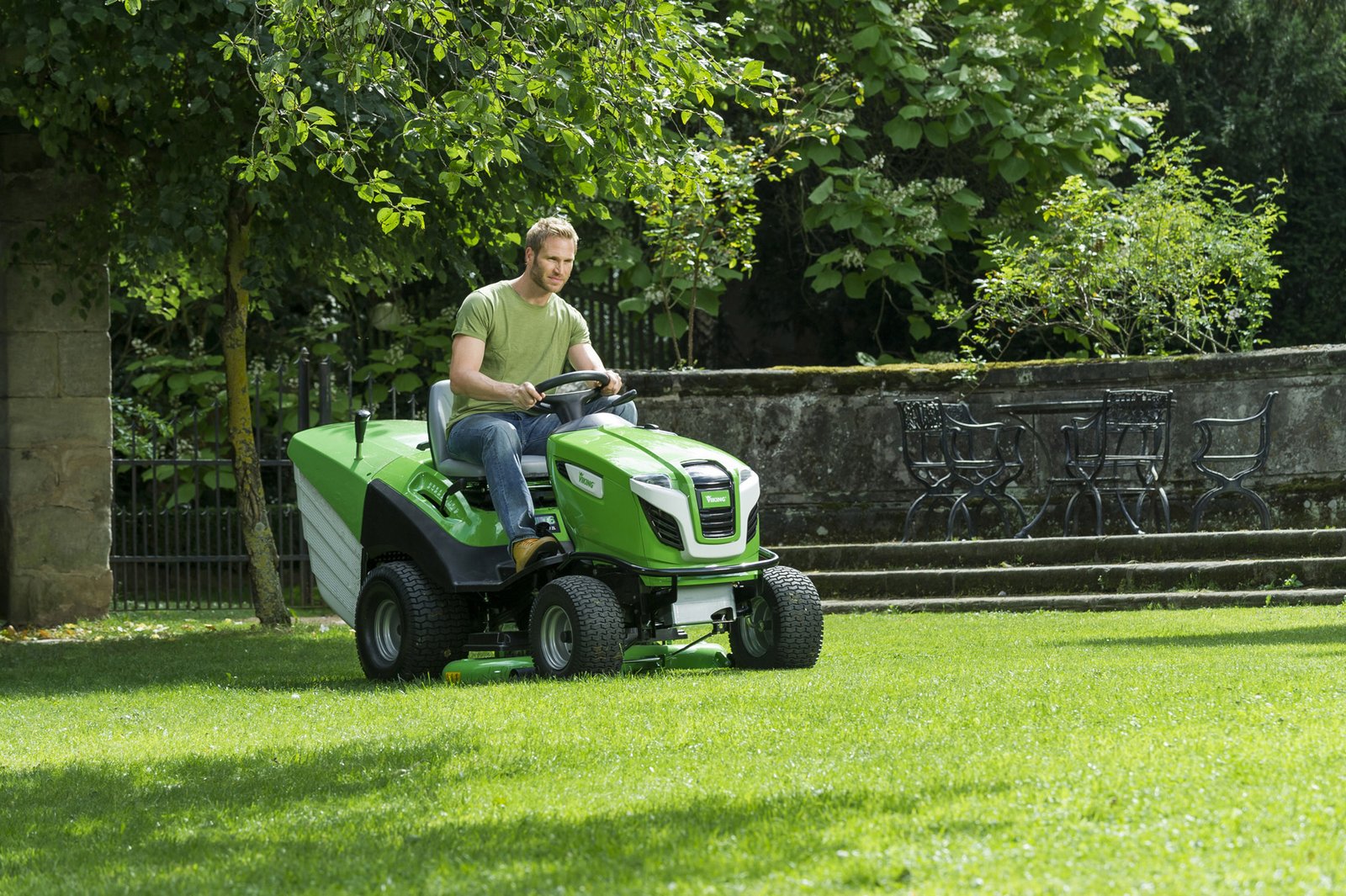
Introduction to Modern Lawn Care Machines
A well-maintained lawn has always been a sign of care, discipline, and attention to detail. Over the years, gardening tools have evolved from simple manual push cutters to powerful machines that make large-scale lawn maintenance far easier. Among these machines, the viking ride on mower stands out as a practical solution for homeowners and landowners who want efficiency without sacrificing cutting quality.
Unlike traditional push mowers, this machine allows the operator to sit comfortably while controlling speed and direction. It is designed for medium to large gardens where manual mowing becomes time-consuming and physically demanding. The design philosophy behind the viking ride on mower focuses on comfort, durability, and clean cutting performance, making it a trusted option in many parts of Europe and beyond.
Background and Development of Viking Lawn Equipment
The story of Viking lawn equipment is closely connected with German engineering standards and precision gardening tools. The brand later became associated with STIHL, a globally recognized manufacturer known for chainsaws, trimmers, and outdoor power tools.
This connection helped Viking products gain a strong reputation for reliability and performance. The viking ride on mower line was developed to meet the growing demand for efficient lawn tractors suitable for residential and semi-commercial use. Over time, these machines became popular for their compact size and ability to navigate tight garden spaces while still covering large areas quickly.
The engineering approach focused on balancing power with control. Instead of building oversized commercial tractors, Viking aimed to create machines that homeowners could comfortably operate without special training.
Design Philosophy and Build Quality
One of the most noticeable aspects of a viking ride on mower is its compact yet sturdy design. The frame is built to handle regular outdoor use, including uneven terrain, grass collection, and long mowing sessions.
The seating position is designed for comfort, with adjustable settings that allow users of different heights to operate the machine without strain. Steering is smooth, and the control layout is simple enough for beginners to understand quickly.
The cutting deck is positioned underneath the machine, ensuring even grass cutting as the mower moves forward. This design reduces missed patches and creates a cleaner, more uniform lawn appearance.
Performance in Real Gardening Conditions
In practical use, the viking ride on mower performs best on medium to large lawns, typically ranging from small estate gardens to wide open green areas. The engine power is designed to handle thick grass without stalling, while still maintaining fuel efficiency.
Users often appreciate how smoothly the machine handles turns around trees, flower beds, and garden edges. The turning radius is relatively tight compared to larger commercial machines, which makes it more suitable for residential landscapes.
Grass collection systems in many models allow clippings to be stored in a rear container, reducing cleanup time. Some versions also offer mulching functions, where grass is finely cut and returned to the soil as natural fertilizer.
Comfort and User Experience
Comfort plays a major role in the popularity of the viking ride on mower. Long mowing sessions can become tiring with traditional equipment, but seated operation reduces physical strain significantly.
The vibration levels are controlled, and the seating is cushioned to support longer use. Controls are positioned within easy reach, allowing the operator to adjust speed, direction, and blade engagement without interruption.
This makes the machine especially useful for elderly users or those managing larger properties alone. Instead of spending hours pushing a mower, the job becomes more manageable and less physically demanding.
Bio Table
| Field | Details |
|---|---|
| Article Title | Viking Ride On Mower: Complete Guide, Benefits & Buying Insights |
| Topic | Lawn Care Equipment / Ride-On Mowers |
| Focus Keyword | viking ride on mower |
| Content Type | Informative Blog Article |
| Target Audience | Homeowners, Gardeners, Landscaping Users |
| Industry | Gardening Tools & Outdoor Power Equipment |
| Purpose | Education + Buying Guide + Product Awareness |
| Tone | Professional, Human-written, Informative |
| Language | English |
| Category | Home & Garden → Gardening Equipment |
Maintenance and Durability
Like any outdoor machine, regular maintenance is essential. The viking ride on mower is designed to be service-friendly, with accessible engine compartments and replaceable cutting blades.
Routine maintenance includes oil checks, blade sharpening, belt inspection, and cleaning the cutting deck after use. When maintained properly, these machines can last for many years, even with frequent use.
Durability is one of its strongest features. The materials used in construction are selected to resist rust, weather exposure, and mechanical wear. This makes it a long-term investment for homeowners who prioritize reliability.
Real-World Applications and Usage
The viking ride on mower is commonly used in residential gardens, countryside homes, and small estates. It is also suitable for light commercial landscaping where precision and appearance matter.
In larger properties, it reduces mowing time dramatically compared to traditional methods. Gardeners who manage multiple lawns also find it useful because it minimizes fatigue and increases productivity.
Because of its balance between size and performance, it is not typically used in heavy industrial farming, but it excels in controlled landscaping environments.
Limitations and Considerations
While the viking ride on mower offers many advantages, it is not without limitations. It requires storage space, preferably a garage or shed, as leaving it exposed to harsh weather can reduce its lifespan.
It is also more expensive than standard push mowers, which may not be suitable for small household lawns. Additionally, basic mechanical understanding is helpful for maintenance tasks, although most servicing can be done with simple tools.
Users should also consider fuel usage and blade replacement costs over time, especially if the machine is used frequently during peak growing seasons.
Brand Strength and Market Position
The reputation of Viking machines benefits significantly from its association with STIHL, which is known globally for high-quality outdoor power tools. This connection gives users confidence in the engineering and long-term reliability of the equipment.
Within the lawn care market, the viking ride on mower sits in the mid-to-premium category, offering better build quality than budget models while remaining more accessible than large commercial tractors.
This balance makes it a preferred choice for homeowners who want professional-level results without investing in industrial machinery
Personal and Brand Insight (Clarification Section)
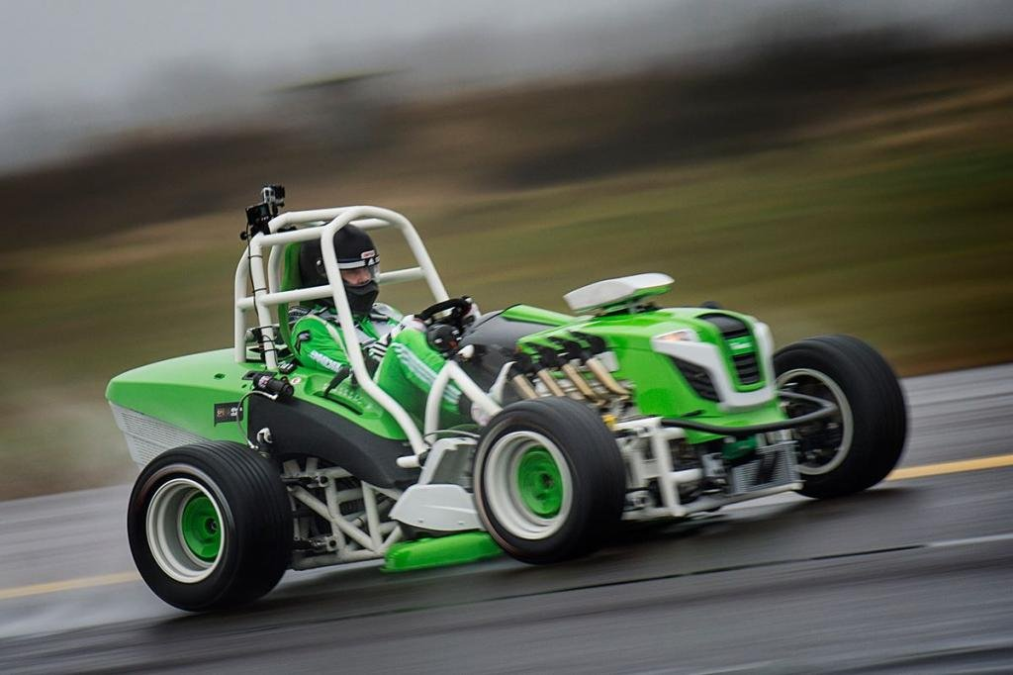
It is important to clarify that a viking ride on mower is a machine, not a living subject. Therefore, details such as age, height, family, net worth, physical appearance, or social media presence do not apply.
However, the brand behind it has a long-standing history in the outdoor equipment industry, and its reputation is built on engineering consistency rather than personal attributes. This ensures that users focus on performance and reliability rather than personality-driven branding.
Final Thoughts
The viking ride on mower remains a strong example of practical garden engineering. It combines comfort, efficiency, and durability in a way that makes lawn maintenance significantly easier for both homeowners and light commercial users.
Its compact design, reliable performance, and user-friendly controls make it a dependable choice for anyone managing medium to large lawns. While it may require a higher initial investment, the long-term convenience and time savings often justify the cost.
For those seeking a balance between professional results and personal ease of use, this machine continues to be a trusted option in modern lawn care.
