

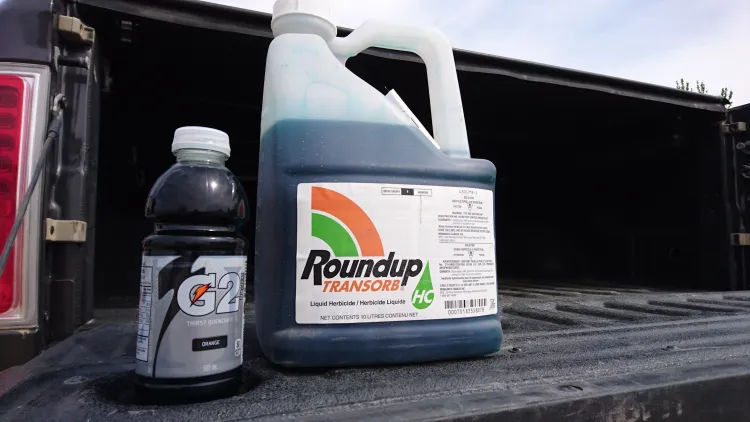
Weed management is one of the biggest challenges faced by gardeners, landscapers, farmers, and property managers. Whether you are maintaining a residential garden, agricultural field, industrial site, or public space, choosing the right herbicide and applying it correctly can make a significant difference. One product that has gained popularity among professionals is Roundup ProActive 360, a glyphosate-based herbicide designed to provide reliable and long-lasting weed control.
Understanding the roundup proactive mix ratio is essential for achieving the best results. Applying too little product may reduce effectiveness, while using more than recommended can lead to unnecessary product waste and increased costs. This guide explains everything you need to know about Roundup ProActive, including its purpose, benefits, mixing recommendations, application methods, and important safety considerations.
Introduction to Roundup ProActive 360
roundup proactive mix ratio 360 is a professional-grade herbicide formulated with glyphosate, a systemic weed killer that moves throughout the plant after absorption. Unlike contact herbicides that only affect the parts of the plant they touch, glyphosate travels through the weed’s vascular system and targets the roots as well as the foliage.
This mode of action makes roundup proactive mix ratio highly effective against a wide range of annual and perennial weeds. It is commonly used in gardens, pathways, agricultural land, industrial sites, forestry operations, and amenity areas where complete vegetation control is required.
The product is valued for its advanced formulation, which helps improve absorption into plant tissues and enhances overall weed control performance.
What Is the Roundup ProActive Mix Ratio?
The term roundup proactive mix ratio refers to the amount of herbicide concentrate mixed with a specific quantity of water before application.
The correct ratio depends on factors such as:
- The type of weed being targeted
- Weed maturity and growth stage
- Application area
- Desired level of control
- Environmental conditions
For many common weed-control situations, a standard dilution rate often used by professionals is approximately 250 ml of Roundup ProActive 360 mixed with 10 litres of water. However, specific situations may require weaker or stronger concentrations based on label recommendations.
Always consult the official product label for exact instructions relevant to your intended use.
Why Proper Mixing Matters
Correct mixing is one of the most important aspects of successful weed control. Even a highly effective herbicide can deliver disappointing results if it is not diluted properly.
When the solution is too weak, weeds may survive and continue growing. Surviving weeds can become more difficult to manage later, resulting in repeated treatments and additional expense.
Conversely, using excessive herbicide concentration does not necessarily improve results. Instead, it may increase costs and potentially affect surrounding vegetation if applied carelessly.
Following the recommended roundup proactive mix ratio helps ensure optimal herbicide performance while maximizing value from every application.
How Roundup ProActive Works
Roundup ProActive functions through systemic action. Once sprayed onto actively growing weeds, the herbicide is absorbed through the leaves and transported throughout the plant.
After entering the plant, glyphosate interferes with essential biochemical processes responsible for growth and development. Over time, treated weeds begin showing symptoms such as yellowing, wilting, and eventual death.
Because the herbicide moves into the root system, it provides better control of established perennial weeds than many contact herbicides.
Visible effects may begin appearing within several days, although complete weed death can take one to three weeks depending on species and environmental conditions.
Bio Table
| Attribute | Details |
|---|---|
| Product Name | Roundup ProActive 360 |
| Product Type | Systemic Herbicide |
| Active Ingredient | Glyphosate 360 g/L |
| Purpose | Broad-Spectrum Weed Control |
| Application Method | Foliar Spray |
| Suitable For | Annual & Perennial Weeds |
| Common Mix Ratio | 250 ml per 10 L Water |
| User Type | Professional & Commercial |
| Coverage | Gardens, Farms, Forestry, Industrial Areas |
| Key Benefit | Root-to-Leaf Weed Control |
| Rainfastness | Improved Formulation |
| Storage | Cool, Dry Place in Original Container |
Common Mixing Rates
While application rates can vary depending on the target weed, many professionals follow general guidelines.
For light annual weed infestations, lower concentrations may be sufficient. Moderate infestations often require standard dilution rates, while difficult perennial weeds may need stronger solutions.
A commonly referenced roundup proactive mix ratio for general weed control is:
250 ml Roundup ProActive 360 per 10 litres of water.
This ratio provides effective control of many common perennial weeds while maintaining efficient product usage.
More challenging species may require adjustments according to official recommendations and local regulations.
Application Tips for Best Results
Successful weed control involves more than simply preparing the spray mixture. Proper application techniques are equally important.
Apply Roundup ProActive when weeds are actively growing and have healthy green foliage. Active growth allows the herbicide to move effectively through the plant.
Avoid spraying during periods of drought stress because plants absorb herbicides less efficiently when growth is limited.
Weather conditions also play an important role. Calm days help minimize spray drift, reducing the risk of affecting nearby desirable plants.
Rain shortly after application can reduce effectiveness. Although modern formulations provide improved rainfastness, allowing sufficient drying time remains important.
Using the recommended roundup proactive mix ratio together with proper application timing can significantly improve treatment success.
Benefits of Roundup ProActive 360
One reason professionals continue using roundup proactive mix ratio is its versatility and reliability across many environments.
The product offers broad-spectrum weed control, allowing users to manage grasses, broadleaf weeds, and many perennial species with a single herbicide.
Its systemic activity ensures that underground root structures receive treatment, reducing regrowth potential.
The formulation is also designed to improve uptake and retention on plant surfaces, supporting consistent performance under a variety of conditions.
Another advantage is operational efficiency. Proper use of the recommended roundup proactive mix ratio can help users cover larger areas while maintaining effective weed control.
Areas Where Roundup ProActive Is Commonly Used
Roundup ProActive is suitable for numerous professional and commercial applications.
Landscapers often use it to prepare planting areas before installing new gardens or turf.
Property managers may apply it to pathways, fence lines, industrial sites, and hard surfaces where unwanted vegetation creates maintenance issues.
Agricultural users frequently incorporate glyphosate products into land preparation and weed-management programs.
Forestry operations also utilize glyphosate-based herbicides for vegetation control around young trees and managed woodland areas.
The flexibility of Roundup ProActive contributes to its popularity across multiple industries.
Safety Considerations
Like any herbicide, Roundup ProActive should be handled responsibly.
Users should wear appropriate protective equipment, including gloves and protective clothing, when mixing and spraying.
Avoid contact with skin and eyes, and always follow manufacturer instructions regarding handling and storage.
Spray drift should be minimized to protect nearby plants, crops, and environmentally sensitive areas.
Store the concentrate securely in its original container and keep it out of reach of children and animals.
Adhering to recommended safety guidelines helps ensure effective and responsible herbicide use.
Common Mistakes to Avoid
Many weed-control failures result from simple application errors.
One common mistake is applying herbicide to weeds that are not actively growing. Poor plant activity limits absorption and reduces effectiveness.
Another issue is using an incorrect roundup proactive mix ratio, which can lead to inadequate control or unnecessary product consumption.
Poor spray coverage is also problematic. The foliage should be evenly wetted without excessive runoff.
Applying before heavy rainfall or during windy conditions can further reduce treatment success.
Avoiding these mistakes helps maximize the effectiveness of every application.
Environmental Considerations
Responsible herbicide use includes understanding environmental impacts.
Roundup ProActive should always be used according to local regulations and label instructions. Users should avoid spraying near water bodies unless specifically permitted by the product label and applicable regulations.
Maintaining proper application techniques minimizes environmental exposure and supports sustainable weed management practices.
Careful use of the recommended roundup proactive mix ratio also helps reduce unnecessary chemical usage while maintaining effective control.
Final Thoughts
Roundup ProActive 360 remains one of the most widely recognized professional herbicides for broad-spectrum weed management. Its systemic action, reliable performance, and flexibility make it suitable for a wide range of applications, from residential landscaping to commercial vegetation control.
Understanding the correct roundup proactive mix ratio is essential for achieving the best possible results. Proper mixing, accurate application, favorable weather conditions, and responsible handling all contribute to successful weed control.
When used according to label recommendations, Roundup ProActive can provide efficient and long-lasting management of both annual and perennial weeds, helping maintain cleaner, healthier, and more manageable outdoor spaces.
FAQs roundup proactive mix ratio
Q: What is the standard Roundup ProActive mix ratio?
A: A common rate is 250 ml of concentrate per 10 litres of water for perennial weeds.
Q: Can Roundup ProActive kill perennial weeds?
A: Yes, it is designed to control many annual and perennial weed species.
Q: How long does Roundup ProActive take to work?
A: Visible results usually appear within a few days, with full control often taking 1–3 weeks.
Q: Is Roundup ProActive suitable for professional use?
A: Yes, it is widely used by landscapers, farmers, and vegetation management professionals.
Q: Why is the correct mix ratio important?
A: Proper mixing improves weed control effectiveness and reduces product waste.
