


Introduction
Manse Brae is a name that carries a strong connection to Scottish heritage, residential living, and community history. Found in several parts of Scotland, the term combines two traditional Scottish words: “manse,” referring to a minister’s residence, and “brae,” meaning a hillside or slope. Together, they create a place name that reflects both historical significance and geographic character.
Today, Manse Brae is often associated with attractive residential streets, peaceful neighborhoods, and properties that offer a balance of traditional charm and modern convenience. Whether someone is looking to rent, purchase, or simply learn about the area, understanding the history and character of Manse Brae provides valuable insight into why these locations remain desirable.
This guide explores the meaning, history, property market, lifestyle benefits, and unique appeal of Manse Brae, helping readers gain a deeper understanding of this notable Scottish place name.
The Meaning Behind Manse Brae
The name has deep roots in Scottish culture. Historically, a manse was the residence provided for a church minister. These homes were often situated near local churches and played an important role in community life.
The word “brae” is commonly used throughout Scotland to describe a hillside, slope, or elevated roadway. Combining these two elements creates a name that traditionally refers to the hillside or road leading to a minister’s residence.
Over time, the original religious connection remained part of the area’s identity, even as many locations evolved into established residential neighborhoods. This historical background gives Manse Brae a sense of character that distinguishes it from many modern developments.
Historical Development
Many streets and neighborhoods named Manse Brae originated around church properties that served local communities for generations. During the nineteenth and early twentieth centuries, churches were often central to Scottish town life, making the surrounding roads important landmarks.
As communities expanded, residential housing gradually developed around these historic sites. Some former manses were converted into private homes, while others were replaced with newer properties that preserved the original place name.
The continued use of the name demonstrates how Scottish communities value their local heritage. Even in areas that have undergone significant modernization, the historical identity associated with Manse Brae remains visible.
Bio Table
| Field | Details |
|---|---|
| Keyword | Manse Brae |
| Topic Type | Scottish Residential Area & Place Name |
| Origin | Scotland |
| Meaning | Refers to a hillside or road associated with a church manse |
| Category | Home Improvement |
| Primary Focus | Property, Housing, Community & Local History |
| Common Property Types | Detached Homes, Semi-Detached Houses, Apartments |
| Key Features | Historic Character, Quiet Environment, Residential Appeal |
| Suitable For | Families, Professionals, Retirees, Property Investors |
| Popularity Reason | Community Atmosphere and Convenient Location |
| Investment Potential | Moderate to Strong Depending on Area |
| Article Purpose | Informational Guide About Manse Brae |
Residential Character
One of the most appealing aspects of Manse Brae locations is their residential atmosphere. These areas are generally known for offering a quieter lifestyle compared to busy city centers.
Many homes are positioned on elevated ground, creating attractive streetscapes and, in some cases, scenic views of surrounding neighborhoods. Mature trees, established gardens, and well-maintained properties often contribute to a welcoming environment.
Residents are frequently drawn to these areas because they provide a sense of community while still offering convenient access to schools, shopping facilities, transportation links, and recreational amenities.
Property Types
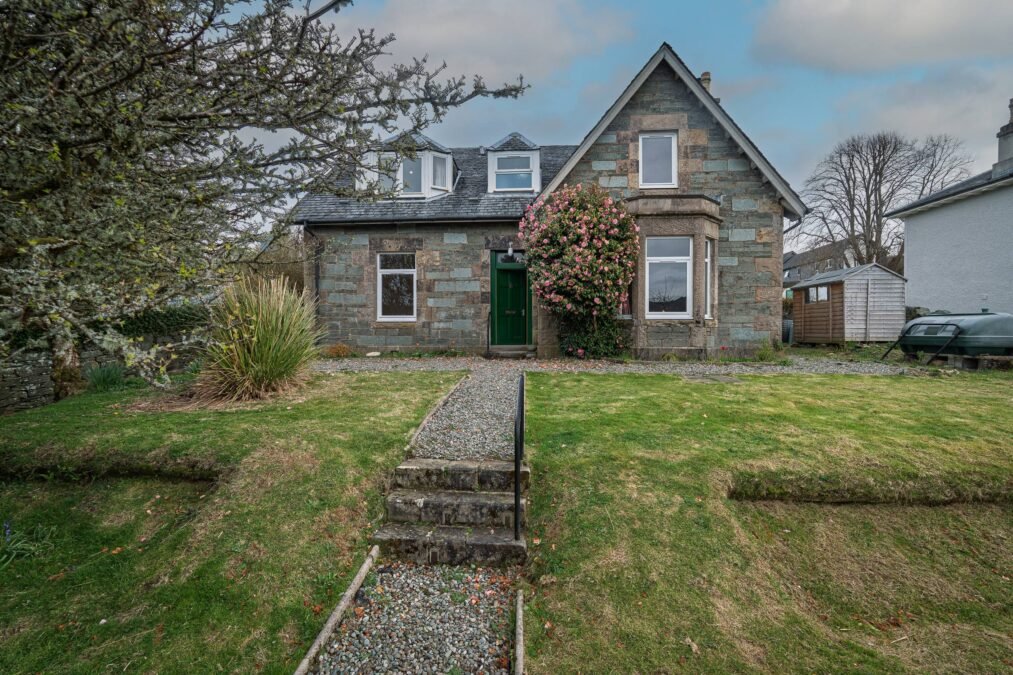
Properties found along Manse Brae vary depending on the location and local housing market. In some areas, traditional stone-built homes reflect Scotland’s architectural heritage, while others feature modern apartments and contemporary family residences.
Victorian and Edwardian influences can sometimes be seen in older properties, including high ceilings, large windows, and spacious room layouts. Newer developments often incorporate modern energy-efficient features while maintaining the character of the surrounding neighborhood.
This mix of housing styles makes Manse Brae attractive to a wide range of buyers and tenants, from young professionals and growing families to retirees seeking a peaceful environment.
Lifestyle and Community
Living in a Manse Brae area often means becoming part of an established local community. These neighborhoods tend to have a friendly atmosphere where residents value both privacy and community engagement.
Local events, nearby parks, walking routes, and community facilities contribute to a balanced lifestyle. Many residents appreciate the opportunity to enjoy quieter surroundings without feeling disconnected from larger towns or cities.
The combination of history, accessibility, and community spirit creates an environment that appeals to people looking for long-term residential stability.
Accessibility and Transport
Another reason many people find Manse Brae locations appealing is their accessibility. While individual locations differ, many are situated within reasonable distance of major transport routes and public transportation services.
Residents can often reach nearby town centers, educational institutions, healthcare facilities, and shopping destinations without significant travel time. This balance between convenience and tranquility is a major factor in the popularity of these neighborhoods.
For commuters, access to rail stations, bus routes, and major roads can make daily travel straightforward while allowing them to return home to a more relaxed residential setting.
Local Amenities
The quality of life in areas associated with Manse Brae is often enhanced by nearby amenities. Residents typically benefit from access to grocery stores, cafes, restaurants, fitness centers, schools, and healthcare services.
Green spaces are another important feature. Parks, walking trails, and recreational areas provide opportunities for outdoor activities and contribute to the overall attractiveness of the neighborhood.
Families particularly value the presence of reputable schools and community resources that support a comfortable and convenient lifestyle.
Property Investment Potential
From an investment perspective, Manse Brae locations can offer appealing opportunities. Established residential neighborhoods often maintain steady demand due to their reputation, accessibility, and community appeal.
Properties in these areas may attract both owner-occupiers and tenants, helping support long-term market interest. While property values vary depending on location and market conditions, areas with strong community identities frequently demonstrate resilience over time.
Investors often consider factors such as transport connections, local amenities, school quality, and neighborhood reputation when evaluating opportunities in these locations.
Why People Choose Manse Brae
Several factors contribute to the popularity of Manse Brae among residents and property seekers. The historical significance of the name adds a sense of authenticity that many modern developments cannot replicate.
The combination of peaceful surroundings, attractive housing, community atmosphere, and convenient amenities creates a balanced living experience. For many people, these qualities represent the ideal blend of tradition and practicality.
Whether someone is seeking a family home, rental property, or investment opportunity, the enduring appeal of these neighborhoods continues to attract interest.
Common Misunderstandings
Because the name sounds distinctive, some people assume that Manse Brae refers to a specific landmark or famous attraction. In reality, it is primarily a place name used in various Scottish communities.
Another misconception is that all properties in these areas are historic buildings. While some older homes remain, many neighborhoods also include modern housing developments that cater to contemporary lifestyles.
Understanding the historical meaning behind the name helps clarify why it appears in multiple locations throughout Scotland.
Physical Appearance and Demographics
Unlike a celebrity or public figure, Manse Brae is a location rather than a person. Therefore, details such as age, height, family members, net worth, physical appearance, or social media profiles do not apply.
However, the area’s “character” can be described through its physical environment. Streets carrying this name are often associated with attractive residential settings, elevated positions, mature landscaping, and a blend of traditional and modern architecture.
These features collectively shape the identity and appeal of the neighborhood.
The Future of Manse Brae
As Scotland continues to develop and modernize, neighborhoods named Manse Brae are likely to retain their significance. The preservation of historic place names helps maintain local identity while allowing communities to evolve.
Future development may introduce updated housing, improved infrastructure, and enhanced amenities, but the historical roots behind the name are expected to remain an important part of the area’s character.
This combination of heritage and progress ensures that these locations continue to attract interest from residents, visitors, and property investors alike.
Conclusion
Manse Brae represents far more than a simple street name. It reflects Scottish history, community heritage, and residential appeal that have endured for generations. The name’s origins connect it to the traditional minister’s residence and the surrounding hillside landscape, creating a unique identity that remains relevant today.
Whether viewed from a historical, residential, or investment perspective, Manse Brae offers an interesting example of how place names can preserve local heritage while adapting to modern life. Its combination of history, accessibility, community atmosphere, and property appeal continues to make it a noteworthy part of Scotland’s residential landscape.
