

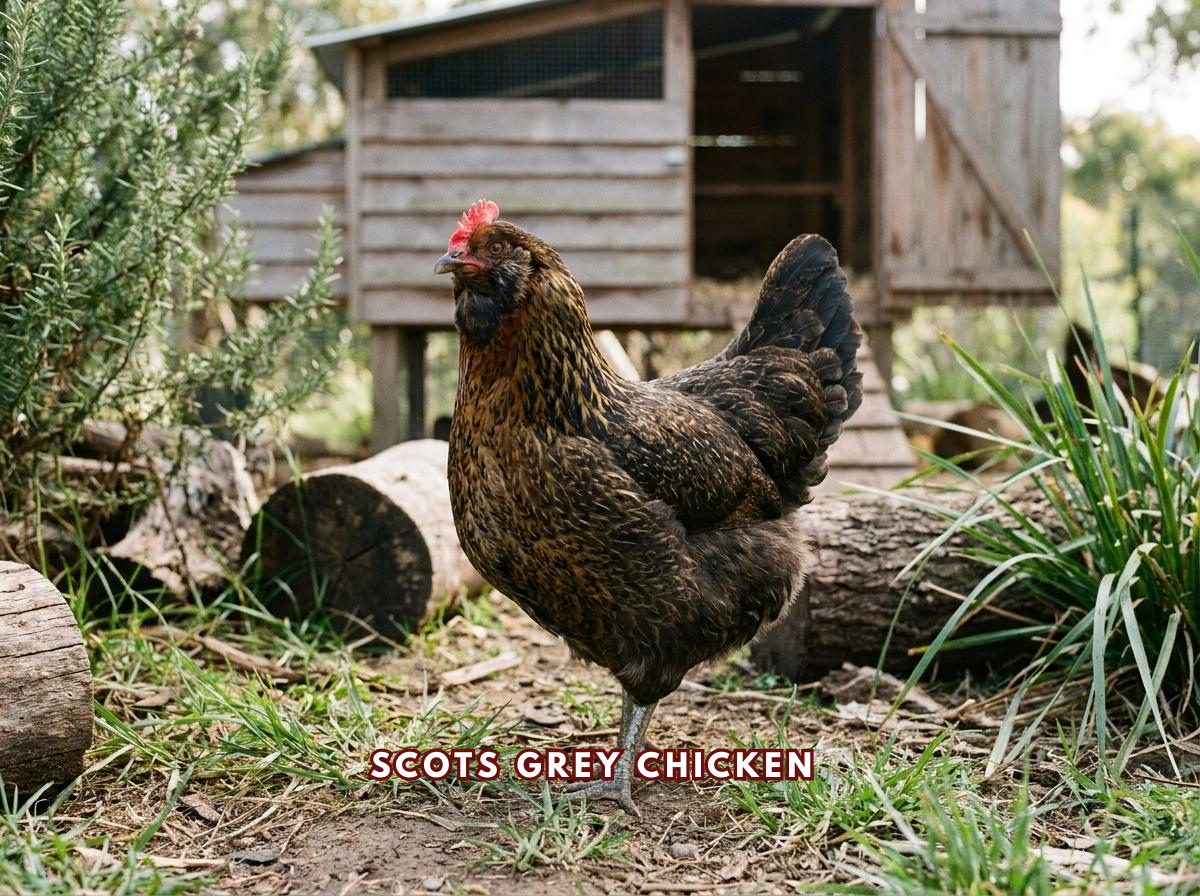
The Scots Grey Chicken is a rare and historic poultry breed from Scotland, known for its attractive grey and black barred feathers, strong body, and excellent ability to adapt to outdoor conditions. This traditional bird has been valued by farmers for generations because it provides both eggs and meat while representing Scotland’s rich farming heritage.
Unlike modern commercial chickens that are mainly developed for maximum production, this heritage breed focuses on natural strength, beauty, and survival ability. Today, poultry lovers and conservation groups continue to protect this unique breed because of its historical importance.
History and Origin
The history of the Scots Grey Chicken goes back many generations in Scotland. It was traditionally raised on small farms where chickens needed to survive changing weather, find natural food, and provide useful products for farming families.
This breed became popular because it was hardy, active, and suitable for free-range living. Farmers appreciated chickens that could explore fields, search for insects, and remain healthy with simple care.
Over time, farming methods changed, and many traditional chicken breeds became less common. Commercial breeds that produced more eggs or grew faster became popular, causing rare breeds like the Scots Grey to decline. However, dedicated breeders and conservation organisations have worked to keep this historic chicken alive.
Family and Breed Background
The “family” of the Scots Grey Chicken refers to its breed line and genetic history rather than human relatives. Chickens do not have family records like people, but breeders carefully track bloodlines to maintain the original qualities of the breed.
This chicken belongs to the traditional light breed category and shares connections with other old European farm chickens. Its development focused on creating a useful bird that could provide food while also surviving naturally in rural environments.
Today, breeders continue selecting strong and healthy birds to protect the future of the breed. Maintaining these old genetic lines is important because heritage animals help preserve agricultural diversity.
| Category | Details |
|---|---|
| Breed Name | Scots Grey Chicken |
| Origin | Scotland, United Kingdom |
| Breed Type | Heritage Dual-Purpose Chicken |
| Main Use | Eggs and Meat |
| Age/Lifespan | Around 5–8 Years |
| Weight (Male) | About 3 kg |
| Weight (Female) | About 2–2.5 kg |
| Height | Medium-sized, Tall Body Shape |
| Colour | Grey and Black Barred Feathers |
| Egg Colour | White to Cream |
| Temperament | Active, Hardy, Alert |
| Family | Traditional Scottish Poultry Breed Line |
| Net Worth | Not Applicable (Animal Breed) |
| Social Media | No Official Account |
| Known For | Rare Scottish Heritage Chicken Breed |
Physical Appearance and Height
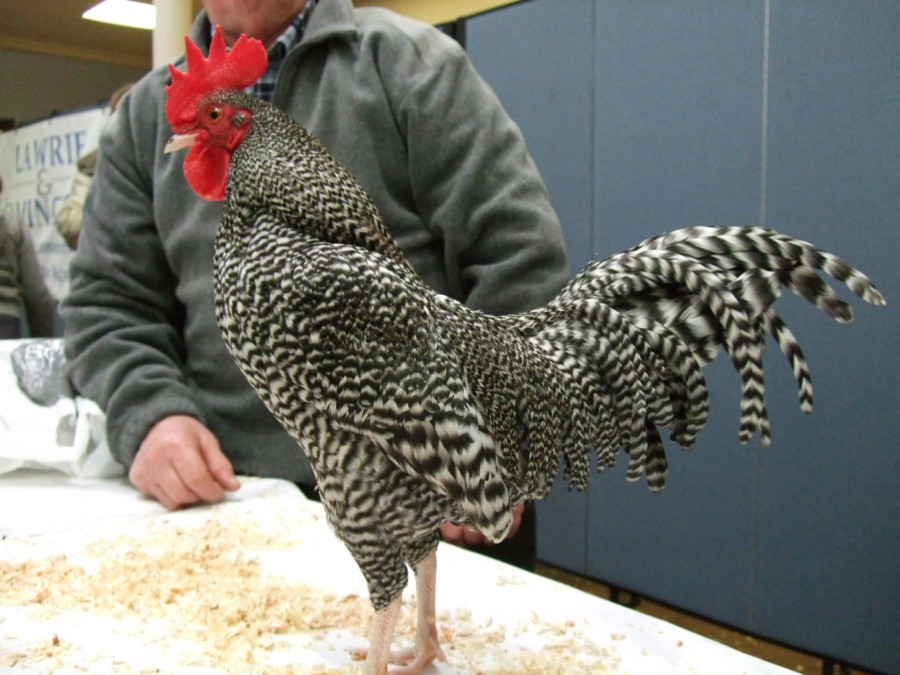
The physical appearance of the Scots Grey Chicken is one of its most attractive features. It has a tall, upright body with a confident posture and beautifully patterned feathers. The feathers usually show a grey background with dark bars, creating a unique appearance.
Roosters are larger, stronger, and often have a more noticeable comb and tail feathers. Hens are smaller but display the same beautiful markings that make the breed easy to recognise.
The average weight of a male is around 3 kilograms, while females usually weigh between 2 and 2.5 kilograms. Their height can differ depending on genetics and care, but they are considered medium-sized chickens with an active and elegant shape.
Age and Lifespan
The average lifespan of a healthy Scots Grey Chicken is around 5 to 8 years. Some birds may live longer when they receive proper nutrition, safe housing, and protection from illness.
Because this breed developed naturally in Scottish farming conditions, it is known for being strong and adaptable. A balanced diet, clean water, and enough outdoor space help maintain good health.
Older birds may produce fewer eggs, but they can still be valuable for breeding and helping maintain the future population of this rare breed.
Lifestyle and Behaviour
The lifestyle of the Scots Grey Chicken is based around natural outdoor activity. These birds enjoy walking, exploring, scratching the ground, and searching for insects and plants.
They are energetic and alert chickens. Hens are usually active and independent, while roosters can become protective of their flock. Their natural behaviour makes them enjoyable for small farms and backyard poultry keepers.
This breed performs best when it has enough space to move freely. Free-range conditions allow the chickens to follow their natural habits and support better physical health.
Egg Production and Farming Use
The Scots Grey Chicken is a dual-purpose breed, meaning it is suitable for both egg production and meat. While it does not produce eggs as frequently as modern commercial layers, it provides a good balance for traditional farming.
The hens usually produce white or cream-coloured eggs. The number of eggs can change depending on the bird’s age, food quality, and seasonal conditions.
Many farmers appreciate this breed because it offers natural qualities rather than only focusing on high production. Its meat is also valued by some poultry enthusiasts because of its traditional flavour and quality.
Value and Net Worth
A chicken does not have personal wealth or net worth like a celebrity or public figure. However, rare breeds can have financial value because of their importance to collectors, breeders, and conservation programmes.
The price of a Scots Grey bird may depend on factors such as breeding quality, rarity, health, and bloodline. Rare heritage chickens are often valued more because they require careful breeding and protection.
Beyond money, this breed has cultural value. It represents Scottish farming traditions and the efforts of people who work to preserve rare animals.
Social Media Presence
The Scots Grey Chicken does not have official social media accounts because it is a breed, not an individual. However, many poultry keepers, farmers, and animal organisations share pictures and information about this bird online.
Social media has helped introduce rare chicken breeds to a wider audience. Online communities allow breeders to exchange knowledge and encourage more people to support heritage poultry conservation.
Conservation and Future
The survival of the Scots Grey Chicken depends on continued interest from breeders and farming communities. Like many traditional breeds, it faces challenges because modern agriculture often prefers faster-growing and higher-producing animals.
Conservation efforts help protect this chicken by encouraging responsible breeding and increasing awareness about its importance. Saving rare breeds ensures that future generations can learn about traditional farming and enjoy their unique qualities.
Final Thoughts
The Scots Grey Chicken is a remarkable heritage breed with a long Scottish history, attractive appearance, and strong natural abilities. Although details such as siblings, personal lifestyle, and social media do not apply like they do for humans, this bird has an interesting story of survival and preservation.
With its beautiful feathers, active nature, and farming value, the Scots Grey remains an important part of poultry history. Protecting this rare breed helps keep Scotland’s agricultural traditions alive for future generations.
