

Introduction
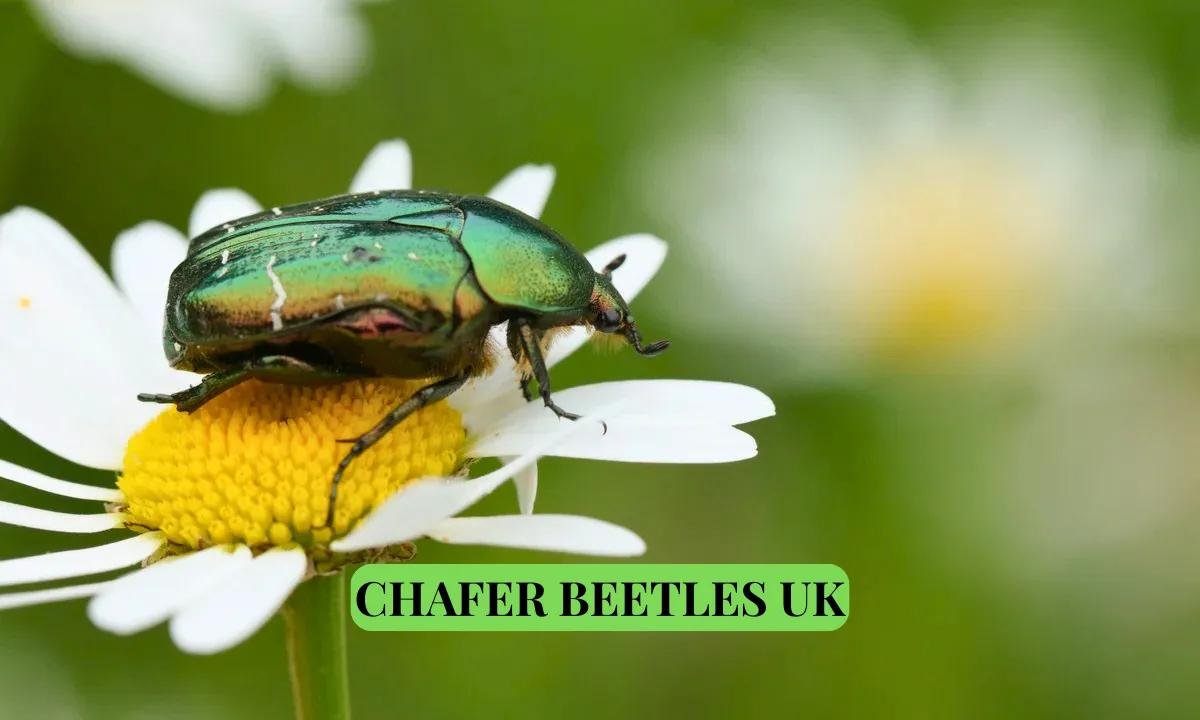
Chafer beetles UK are small but ecologically important insects found across the United Kingdom. They are commonly seen in gardens, lawns, farmland, and grassy areas, although most of their life is spent hidden underground. While many people notice them only when lawns get damaged, chafer beetles UK actually play a useful role in nature by helping soil health and supporting wildlife food chains.
These insects are part of the scarab beetle family and include several species found in the UK. Chafer beetles UK are not harmful to humans, but their larvae can sometimes affect grass roots, which makes them a concern for gardeners.
What Are Chafer Beetles?
Chafer beetles UK refer to a group of beetle species that live in the UK and Europe. They are part of the larger scarab beetle family and include species such as the garden chafer, summer chafer, Welsh chafer, and cockchafer (commonly known as the May bug).
Most of their life is spent in the soil as larvae. Only a short part of their life is spent as flying adult beetles. Because of this hidden lifestyle, chafer beetles UK often go unnoticed until they cause visible lawn damage or appear around lights in summer evenings.
Species Found in the UK
Several chafer beetle species exist in the UK, and each has slightly different habits. Chafer beetles UK are usually identified through these main species.
The garden chafer is one of the most common and is often found in lawns. The cockchafer is larger and more noticeable, with distinctive fan-shaped antennae. The summer chafer appears mainly in warm months and is often attracted to artificial light. The Welsh chafer is less common and prefers sandy soil environments.
Although they look different, all chafer beetles UK share a similar life cycle and ecological role.
Chafer Beetles UK – Bio Table
| Category | Details |
|---|---|
| Common Name | Chafer Beetles (UK species group) |
| Scientific Group | Scarabaeidae (Scarab beetle family) |
| Size (Height/Length) | Adult: approx. 1 cm – 3.5 cm depending on species |
| Weight | Very light (milligram range; varies by species) |
| Color / Appearance | Brown, dark brown, sometimes metallic green; larvae are white and C-shaped |
| Life Span (Age) | 1 to 3 years (complete life cycle from egg to adult) |
| Habitat | Lawns, gardens, farmland, grasslands, woodland edges |
| Distribution | Widespread across the United Kingdom |
| Diet (Larvae) | Grass roots, organic matter in soil |
| Diet (Adults) | Leaves, flowers, nectar (varies by species) |
| Family Type | Scarabaeidae (scarab beetle family) |
| Social Structure | No social system; solitary insect life |
| Reproduction | Eggs laid in soil during summer months |
| Lifecycle Stages | Egg → Larva (grub) → Pupa → Adult beetle |
| Activity Period | Mainly late spring to summer (adults) |
| Behavior | Larvae live underground; adults fly at dusk and are attracted to light |
| Ecological Role | Soil nutrient recycling + food source for birds and mammals |
| Conservation Status | Some species common, others locally declining |
| Human Impact | Can damage lawns due to root feeding larvae |
| Net Worth | Not applicable (wild insect species) |
| Social Media | None |
| Risk to Humans | Harmless (does not bite or sting) |
Physical Appearance
Chafer beetles UK vary in size depending on the species, but most adults are between 1 cm and 3.5 cm long. Their bodies are oval-shaped with a hard outer shell that protects them.
Most species are brown or dark brown, while some may have a slight metallic sheen. The cockchafer is one of the most recognizable species due to its larger size and unique antennae.
The larvae, known as white grubs, are soft, white, and C-shaped with brown heads. These larvae live underground and are rarely seen unless soil is disturbed.
Life Cycle of Chafer Beetles
The life cycle of chafer beetles UK is long and can take up to three years depending on the species and environmental conditions.
It begins when female beetles lay eggs in soft soil during summer. After a few weeks, the eggs hatch into larvae. This larval stage is the longest phase of their life, lasting up to two years in some cases.
During this time, the larvae feed on plant roots and organic matter in the soil. Once fully grown, they enter the pupal stage where they transform into adult beetles. After completing development, adult beetles emerge in late spring or early summer, live for only a few weeks, and focus mainly on mating and reproduction.
Habitat and Distribution in the UK
Chafer beetles UK are widely distributed across the United Kingdom. They are most commonly found in lawns, gardens, farmland, grasslands, and woodland edges.
They prefer loose, well-drained soil because it makes it easier for females to lay eggs and for larvae to develop underground. Urban gardens are increasingly affected due to the growing presence of turf lawns, which provide ideal breeding conditions.
Ecological Role in Nature
Despite being considered pests in some situations, chafer beetles UK play an important role in the ecosystem.
Their larvae help break down organic matter in soil, which supports nutrient cycling and improves soil structure. This process is essential for plant growth in natural environments.
They are also an important food source for birds, mammals, and other insects. Species like starlings often dig into lawns to feed on chafer grubs, making them a key part of the food chain.
Impact on Lawns and Gardens
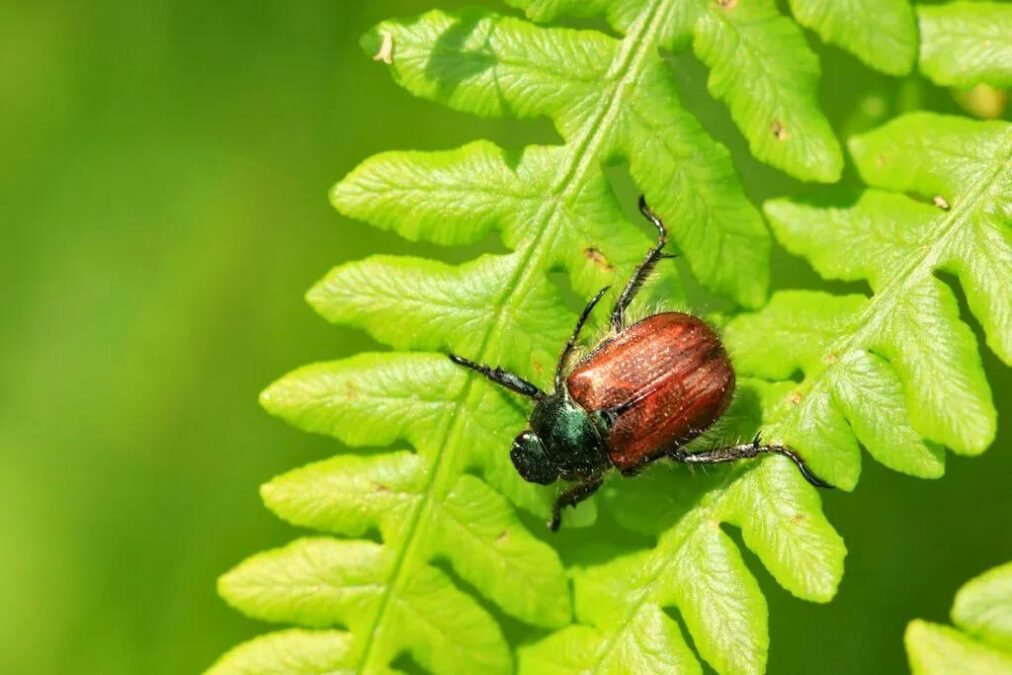
Chafer beetles UK can sometimes cause problems in gardens, especially when their larvae feed on grass roots. This feeding can lead to patchy lawns, weak turf, and uneven ground surfaces.
In some cases, birds may dig into the soil while searching for larvae, which can increase visible lawn damage. However, this damage is usually localized and does not destroy entire gardens.
Although they can be frustrating for homeowners, their presence is part of a natural soil ecosystem.
Natural Control Methods
Controlling chafer beetles UK does not always require chemical treatments. In fact, many natural methods are effective and environmentally friendly.
Birds such as starlings naturally feed on larvae and help reduce populations. Improving soil drainage can make conditions less favorable for egg laying. Gardeners can also use beneficial nematodes, which are microscopic organisms that target chafer grubs without harming plants.
Maintaining healthy grass is another important method, as strong turf is more resistant to damage.
Conservation and Environmental Importance
Some chafer beetle species are declining in certain areas due to habitat loss and changes in land use. Reduction of wild grasslands and natural soil habitats has affected their populations.
For this reason, chafer beetles UK are monitored as part of biodiversity studies in the United Kingdom. Protecting their habitats helps maintain ecological balance and supports other wildlife species that depend on them.
Human Traits and Misunderstandings
Chafer beetles UK are often searched as if they were people, but they are insects and do not have human characteristics.
They do not have age, height, family, net worth, social media accounts, or lifestyle. These concepts belong only to humans and social systems.
Their life is purely biological. They follow a natural cycle of egg, larva, pupa, and adult stages, with no personal identity or online presence.
Interesting Facts About Chafer Beetles
Chafer beetles UK have several fascinating biological traits. Some species are active for only a few weeks each year. Cockchafers are capable of strong flight despite their heavy bodies. Larvae can remain underground for long periods, sometimes up to two years, without being seen.
They also play a role in improving soil health and are an important seasonal food source for birds and mammals.
Conclusion
Chafer beetles UK are small but ecologically significant insects. While they can sometimes damage lawns through their larvae, they are also essential for soil health, nutrient recycling, and supporting wildlife.
Understanding their life cycle and ecological role helps create a balanced view of these insects. Instead of seeing them only as pests, it is important to recognize their contribution to the natural environment and biodiversity across the United Kingdom.
