

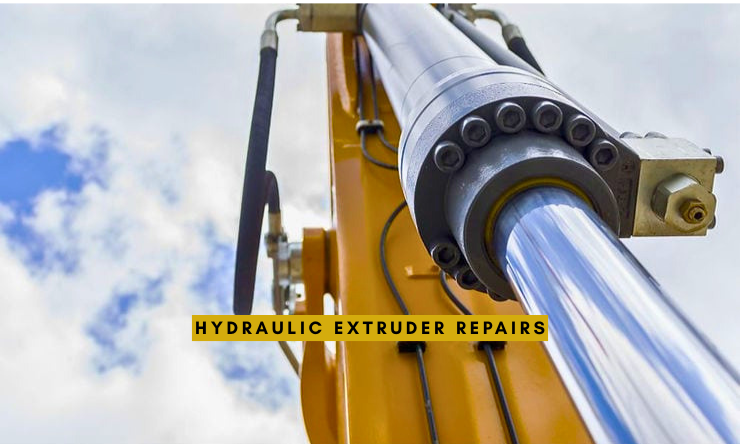
Hydraulic extruder repairs are an important service for industries that depend on extrusion machines for continuous production. These machines are commonly used in plastic manufacturing, pipe production, packaging, recycling, and other industrial applications where accuracy and reliability are required. When hydraulic systems develop problems, hydraulic extruder repairs help restore machine performance and prevent expensive production delays.
Extrusion machines operate under high pressure, constant movement, and extreme working conditions. Over time, components such as hydraulic cylinders, pumps, valves, seals, and hoses can become damaged or worn. Regular inspection and maintenance help identify issues early, and hydraulic extruder repairs can keep equipment working efficiently.
Understanding Hydraulic Extruder Systems
A hydraulic extruder system uses hydraulic fluid and pressure to control different machine movements. The system allows parts of the extruder to move smoothly and accurately, helping manufacturers maintain product quality and consistent production.
Hydraulic systems are responsible for important operations such as pressure control, screw movement, and mechanical adjustments. When these systems fail, hydraulic extruder repairs may be needed to restore output, reduce noise, and prevent complete equipment shutdown. Because extrusion machines often operate for long hours, proper care is necessary. Regular servicing helps reduce wear, improve efficiency, and increase the lifespan of valuable industrial equipment.
Common Causes of Hydraulic Failures
Hydraulic problems can happen for many reasons. One of the most common causes is natural wear and tear caused by continuous machine operation. Components that work under pressure every day eventually lose their effectiveness and require attention.
Contaminated hydraulic oil is another major problem. Dirt, moisture, and small particles can damage internal components such as pumps and valves. Poor-quality or old hydraulic fluid can also reduce system performance and create overheating issues.
Temperature changes, incorrect pressure settings, and poor maintenance practices may also lead to equipment failure. Regular checks of oil quality, pressure levels, and machine conditions can prevent many unexpected problems.
| Category | Details |
|---|---|
| Topic Name | Hydraulic Extruder Repairs |
| Industry | Plastic Manufacturing & Industrial Machinery |
| Main Purpose | Repair and maintenance of hydraulic extrusion systems |
| Used For | Pipes, sheets, profiles, packaging, and recycling products |
| Main Components | Hydraulic cylinders, pumps, valves, seals, hoses |
| Common Problems | Oil leaks, pressure loss, worn parts, pump failure |
| Repair Methods | Inspection, rebuilding, replacement, testing |
| Main Benefits | Better performance, less downtime, longer machine life |
| Maintenance Type | Preventive and corrective maintenance |
| Professionals Needed | Hydraulic technicians and industrial repair specialists |
Common Repair Requirements
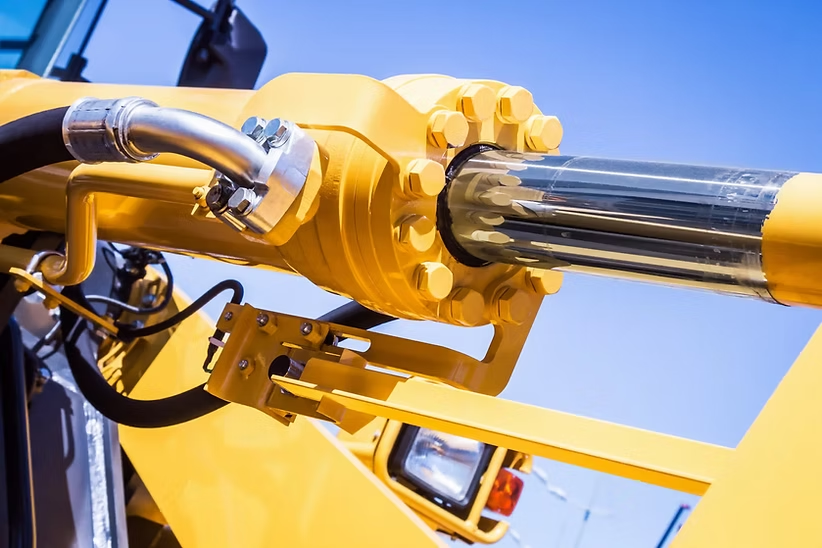
Hydraulic cylinders are among the most important components in extrusion machines. They control movement and force, making them essential for smooth operation. Damaged seals, leaking cylinders, or worn surfaces can reduce machine performance.
During hydraulic extruder repairs, technicians inspect cylinder parts, replace damaged seals, repair surfaces, and test pressure levels. Proper cylinder restoration can improve performance and help avoid expensive replacements.
Hydraulic pumps, valves, and hoses may also require repair. In many hydraulic extruder repairs, pump problems can cause weak pressure, slow movement, or unusual noises. Professional technicians examine these components carefully and determine whether repair or replacement is the best option.
The Hydraulic Repair Process
The hydraulic extruder repairs process begins with a detailed inspection of the machine. Skilled technicians examine the hydraulic system, check operating conditions, and identify the main cause of failure. Accurate diagnosis ensures that only necessary repairs are performed.
After identifying damaged components, technicians clean, rebuild, or replace parts depending on their condition. High-quality replacement components are important because they improve reliability and provide longer service life.
Once hydraulic extruder repairs are completed, the system is tested carefully. Pressure checks, leakage inspections, and performance tests confirm that the machine is safe and ready for production.
Benefits of Professional Repairs
Professional hydraulic extruder repairs provide many benefits for manufacturing companies. The first major advantage is improved machine performance. A properly repaired hydraulic system allows equipment to operate smoothly and maintain consistent production.
Another important benefit is reduced downtime. Machine breakdowns can stop production and create financial losses. Regular hydraulic extruder repairs and preventive maintenance help companies avoid sudden failures and maintain efficient operations.
Repair services can also extend equipment life. Instead of replacing an entire extrusion machine, businesses can restore important components and continue using their existing equipment.
A well-maintained hydraulic system can also improve energy efficiency. Machines that operate correctly require less power and provide better overall productivity.
Importance of Regular Maintenance
Regular maintenance is essential for keeping extrusion equipment reliable. Scheduled inspections allow technicians to check hydraulic fluid levels, clean filters, inspect seals, and monitor system pressure. Routine hydraulic extruder repairs and inspections can also reveal small issues before they become major failures.
Small problems can often be solved before they become serious failures. For example, replacing a damaged seal early can prevent larger leaks and protect other machine components.
Preventive hydraulic extruder repairs save money over time because they reduce emergency repairs and improve machine availability. Companies that maintain their equipment regularly often experience better production results.
Choosing a Reliable Repair Service
Choosing an experienced repair provider is important because hydraulic systems require specialist knowledge. A professional company that offers hydraulic extruder repairs should have skilled technicians, proper testing equipment, and experience working with industrial extrusion machinery.
A reliable repair specialist should provide accurate inspections, quality replacement parts, and efficient service. Fast response times are also valuable because reducing machine downtime is important in industrial environments, and timely hydraulic extruder repairs can prevent larger losses.
Working with experienced technicians helps ensure that repairs are completed correctly and that equipment continues to perform safely.
Industrial Uses of Hydraulic Extruders
Hydraulic extrusion machines are used in many industries around the world. Plastic manufacturers use them to produce pipes, sheets, profiles, and packaging materials. Recycling companies use extrusion systems to process reused materials into new products.
The construction and automotive industries also depend on extrusion technology for different applications. Because these machines support important manufacturing processes, keeping them in good condition is essential.
Reliable hydraulic extruder repairs help industries maintain production quality, reduce interruptions, and achieve better long-term performance.
Final Thoughts
Hydraulic systems are a critical part of extrusion machines, and their condition directly affects manufacturing success. Problems with cylinders, pumps, valves, or hydraulic fluid can reduce efficiency and create costly downtime.
Investing in professional repair services and regular maintenance helps companies improve productivity, extend equipment life, and maintain safe operations. Proper care of hydraulic systems ensures that extrusion machines continue delivering reliable performance for many years. Hydraulic extruder repairs remain one of the most effective ways to protect production and support long-term industrial success.
