

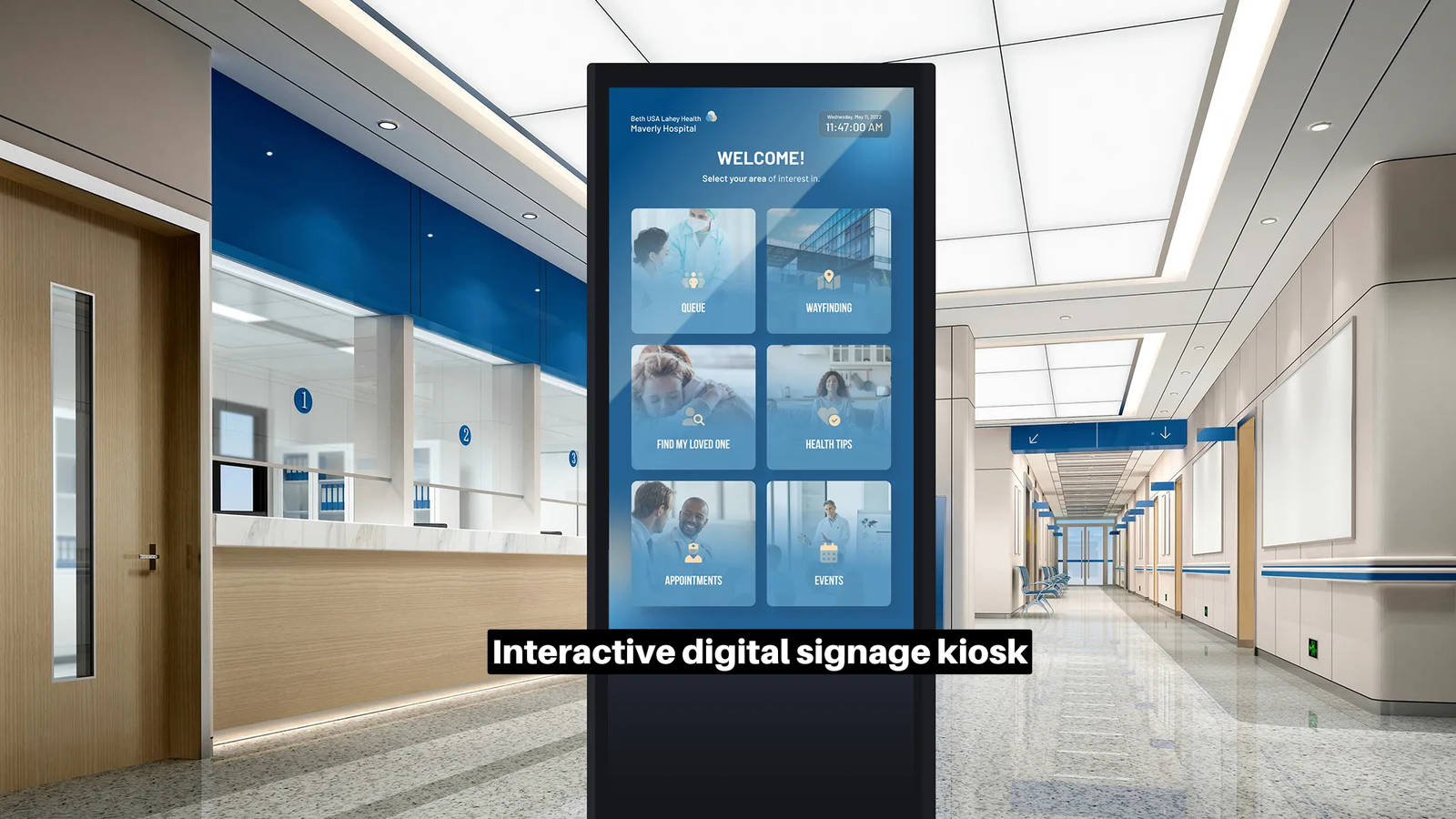
Introduction to Interactive Digital Signage Kiosk
An interactive digital signage kiosk is a modern technology solution that helps businesses and organizations share information while allowing users to interact with digital content. Unlike traditional signs that only display messages, these smart systems allow people to search, select, and control information through touchscreens and other digital features.
Today, customers prefer quick and convenient services. From finding products in shopping centers to checking in at hotels, these kiosks make everyday tasks easier. They provide useful information without requiring constant help from employees.
With the growth of touchscreen technology, smart software, and digital communication, interactive kiosks have become popular in many industries. They improve customer experiences, save time, and help businesses communicate more effectively.
What Is an Interactive Digital Signage Kiosk?
An interactive digital signage kiosk is an electronic display system that allows users to interact with digital information, services, or advertisements. It usually contains a touchscreen display, computer hardware, software applications, and internet connectivity.
Unlike normal digital screens that only show videos or images, interactive kiosks allow users to choose what information they want to view. People can search products, check maps, explore services, complete forms, or access important details.
These systems create two-way communication between users and businesses. Instead of only receiving information, customers actively participate and control their own experience.
How Digital Signage Kiosks Work
A digital kiosk works by combining hardware and software technologies. The touchscreen display acts as the main communication tool, while the internal computer manages applications and user requests.
Businesses can use content management software to update information remotely. They can change advertisements, announcements, product details, and promotional messages without visiting every kiosk location.
Many advanced systems include extra features such as QR code scanning, payment options, customer surveys, voice assistance, and mobile connections. These tools help businesses provide faster and smoother services.
Importance of Interactive Technology for Businesses
Modern businesses are focusing on improving customer satisfaction. People want simple services that provide answers quickly and reduce waiting times. Interactive kiosks help companies meet these expectations.
Retail stores use these systems to help customers search products, compare prices, and discover special offers. Restaurants use them for digital ordering, while offices use them for visitor registration and information sharing.
By providing self-service options, companies can improve efficiency and allow employees to focus on more important responsibilities.
Features of Interactive Digital Signage Kiosk
One of the main features of these systems is the touchscreen interface. It allows users to navigate menus, search information, and access different services easily.
High-quality displays make content more attractive by showing clear images, videos, and graphics. Businesses can use engaging visuals to promote products and share important messages.
Another valuable feature is remote management. Companies can control multiple kiosks from one location and update content whenever needed.
Many systems also collect user interaction data. This information helps businesses understand customer needs and improve their services.
Benefits of Interactive Digital Signage Kiosk
An interactive digital signage kiosk provides many advantages for both customers and organizations. The biggest benefit for users is convenience. They can find information quickly without waiting for assistance.
In busy places such as airports, hospitals, and shopping malls, kiosks help reduce queues and provide faster service. Customers can access directions, check availability, and complete simple tasks independently.
For businesses, these systems reduce operational costs and improve productivity. They also attract more attention because interactive experiences are usually more engaging than traditional advertising.
Uses in Different Industries
Interactive kiosks are used in many industries because they offer flexible solutions. In retail stores, they help customers explore products, check stock availability, and learn about different services.
Hotels use kiosks for self-check-in, guest information, and local guides. Visitors can easily access details about hotel facilities and nearby attractions.
Hospitals and healthcare centers use them for patient registration, appointment management, and navigation. This helps visitors find services quickly and reduces pressure on reception staff.
Schools and universities also use digital kiosks for campus directions, student information, and event announcements.
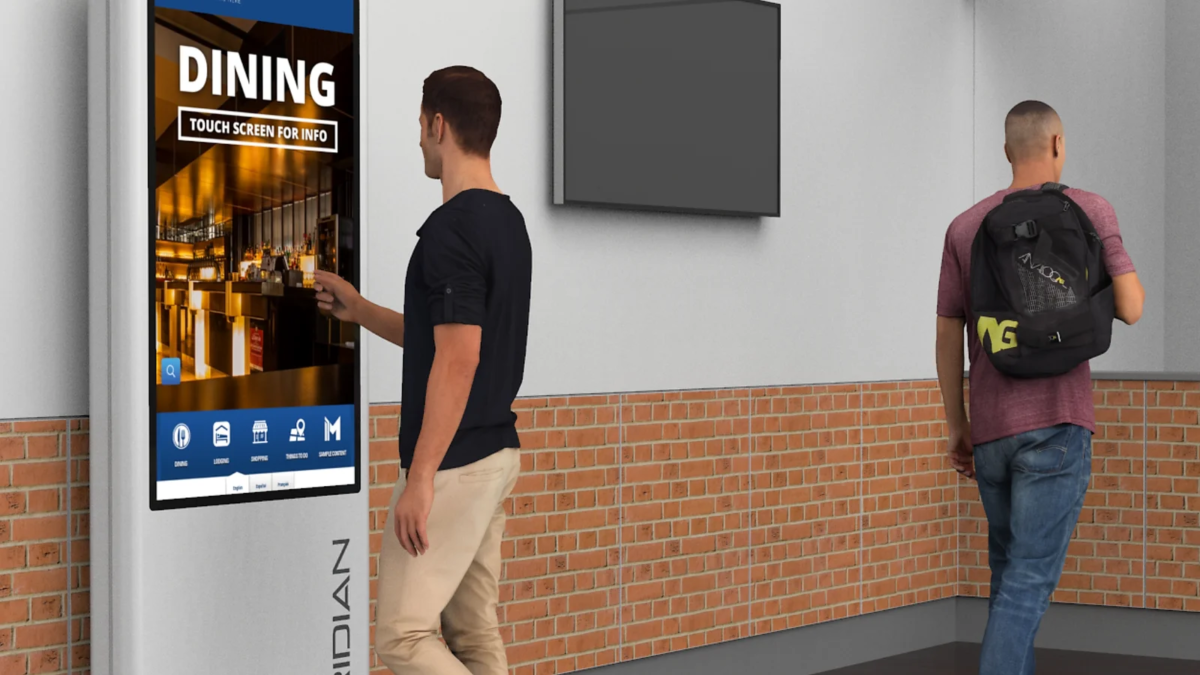
Digital Displays vs Interactive Kiosks
Digital displays and interactive kiosks may look similar, but they serve different purposes. Digital displays mainly show information, advertisements, or announcements to viewers.
Interactive kiosks allow users to control the content and complete actions. For example, a digital screen in a mall may show advertisements, while a touchscreen kiosk allows customers to search for stores and products.
Businesses choose between these technologies depending on their goals. Companies that need customer interaction usually prefer kiosk solutions because they provide a more personalized experience.
Improving Customer Experience Through Self-Service
Self-service technology has become increasingly popular because customers enjoy having control over their activities. They can complete tasks at their own pace without depending on staff members.
An interactive digital signage kiosk supports self-service options such as food ordering, ticket printing, product searching, and information checking.
A well-designed kiosk should have simple menus, clear instructions, and an easy interface. This ensures that people of different ages and technical abilities can use it comfortably.
Future of Interactive Kiosk Technology
The future of interactive kiosk technology is expected to grow with new innovations. Artificial intelligence, voice recognition, and smart analytics are making kiosks more advanced and useful.
Future systems may provide more personalized recommendations by understanding customer preferences. Businesses are also exploring technologies like mobile integration and augmented reality to create better experiences.
As digital transformation continues, these systems will become more common in public areas, businesses, and service locations around the world.
Choosing the Right Kiosk Solution
Choosing the right kiosk depends on the business purpose, location, and customer needs. Companies should consider factors such as screen size, durability, software features, security, and maintenance.
Indoor kiosks are suitable for malls, offices, and hotels, while outdoor models require stronger designs to handle different weather conditions.
A successful kiosk should be reliable, easy to use, and designed around customer needs. The main goal should always be creating a smooth and helpful user experience.
Conclusion
An interactive digital signage kiosk is changing the way businesses communicate with customers. It combines digital displays with interactive technology to provide faster services, better engagement, and improved customer satisfaction.
From retail and healthcare to education and transportation, these systems are becoming an important part of modern communication. As technology continues to improve, interactive kiosks will play an even bigger role in creating smart and connected environments.
FAQs
Q: What is an interactive digital signage kiosk?
A: An interactive digital signage kiosk is a smart touchscreen display that allows users to access information, services, and digital content easily.
Q: Where are interactive digital signage kiosks used?
A: They are used in retail stores, hospitals, hotels, airports, schools, and public areas to provide quick self-service solutions.
Q: What are the benefits of an interactive digital signage kiosk?
A: It improves customer experience, reduces waiting time, increases engagement, and helps businesses provide faster services.
Q: How does an interactive digital signage kiosk work?
A: It uses touchscreen technology, software, and digital content systems to let users search and interact with information.
Q: Why do businesses use interactive digital signage kiosks?
A: Businesses use them to improve communication, offer self-service options, and create a modern customer experience.
