

Introduction to Laboratory Mixing
Laboratories around the world depend on advanced equipment to perform accurate research, testing, and product development. Among these important tools, the overhead stirrer has become a popular choice for applications that require powerful and controlled mixing. It helps researchers combine liquids, suspensions, and thicker materials with better efficiency than traditional stirring methods.
Mixing plays an important role in many scientific processes. Whether scientists are preparing chemical solutions, developing pharmaceutical products, or testing new materials, proper blending is necessary to achieve reliable results. A high-quality mixing system provides better control, reduces errors, and improves overall laboratory productivity.
Modern laboratories need equipment that can handle different materials and operating conditions. This is why mechanical mixing technology has become an essential part of research and industrial environments.
What Is an Overhead Stirrer?
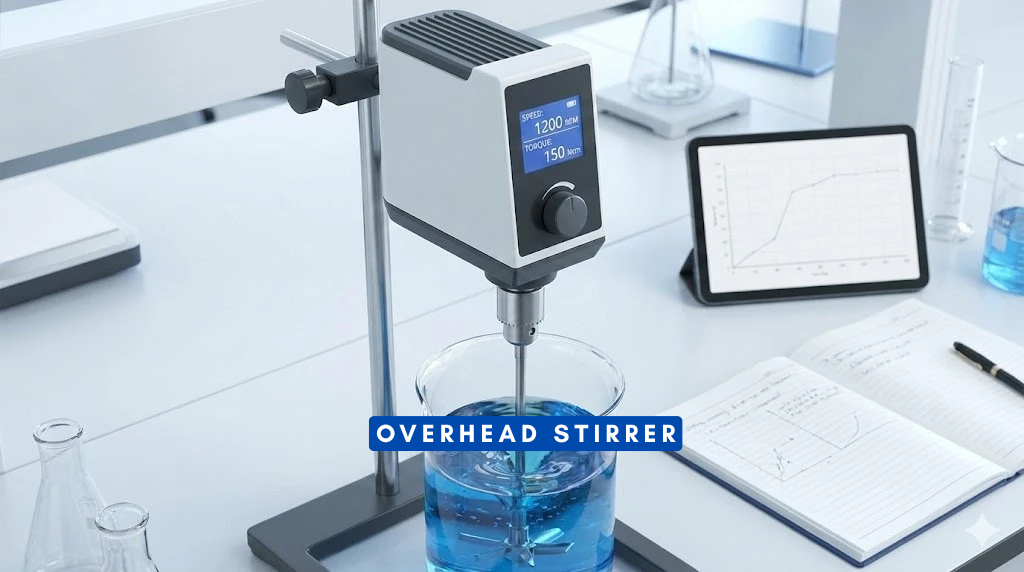
An overhead stirrer is a laboratory device designed to mix substances using a motor-powered shaft and rotating blade. The motor is placed above the container, and the connected shaft moves the stirring element inside the sample.
Unlike simple manual stirring or magnetic mixing devices, this equipment provides stronger force and better control. It is especially useful for materials with high viscosity, where ordinary mixing methods may not provide enough power.
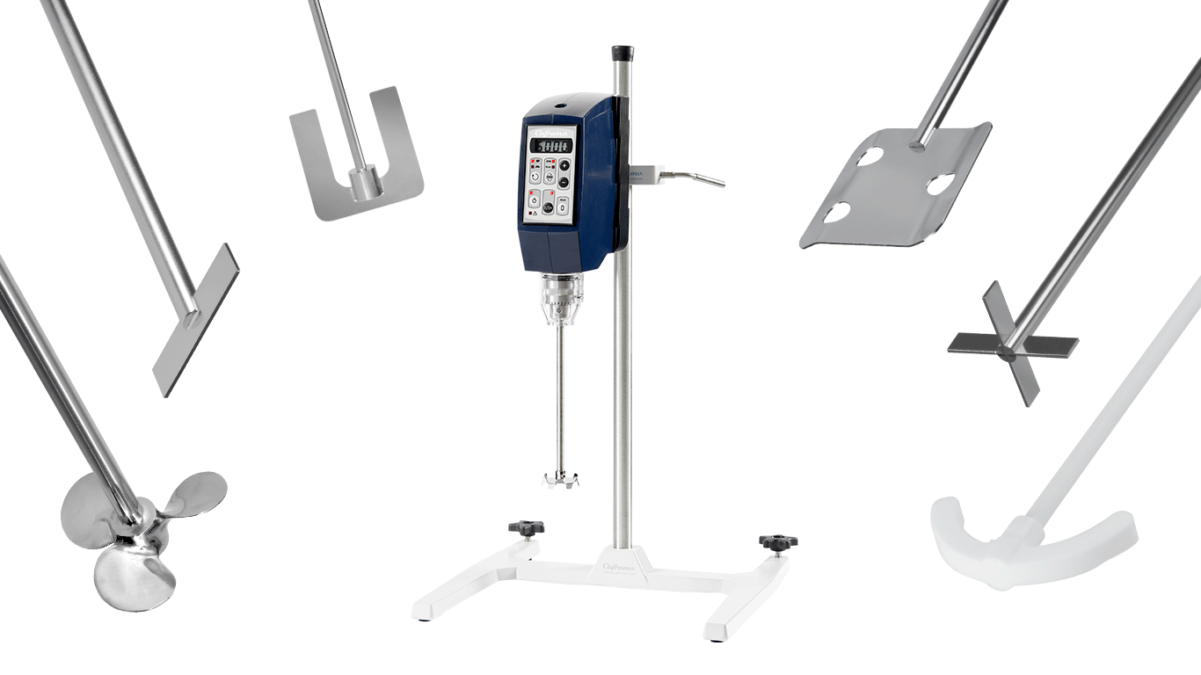
The main parts include a motor, speed control system, chuck, shaft, and different types of impellers. Users can select suitable blades depending on the material being mixed and the required results.
Many modern models include digital displays, adjustable speed settings, and safety functions that allow scientists to perform experiments with greater accuracy.
How It Works
The working process of an overhead stirrer is based on mechanical movement. The motor creates rotational energy, which is transferred through the shaft to the mixing blade. When the blade rotates, it creates movement throughout the material.
This controlled movement helps distribute ingredients evenly and improves the quality of the final mixture. Different speeds can be selected depending on the thickness and characteristics of the sample.
For thin liquids, faster speeds may be suitable, while thick materials require slower speeds with higher torque. This flexibility makes the equipment useful for many different laboratory tasks.
| Feature | Details |
|---|---|
| Name | Overhead Stirrer |
| Category | Laboratory Mixing Equipment |
| Used For | Mixing, blending, and stirring materials |
| Main Components | Motor, shaft, chuck, and impeller |
| Power Source | Electric Motor |
| Speed Control | Adjustable speed settings |
| Common Users | Laboratories, researchers, industries |
| Applications | Chemical, pharmaceutical, food, cosmetic, and research fields |
| Main Benefit | Powerful and controlled mixing |
| Suitable Materials | Liquids, suspensions, emulsions, and viscous substances |
| Technology Type | Mechanical Mixing System |
| Maintenance | Regular cleaning and proper handling required |
| Popularity | Widely used in modern laboratories |
Importance in Modern Research
Scientific research often requires accurate and repeatable results. Even small differences in mixing can affect the outcome of an experiment. A reliable mixing system helps researchers maintain consistent conditions.
The overhead stirrer provides better performance when working with complex samples. It can mix materials that require strong agitation and continuous operation.
In pharmaceutical research, proper mixing helps create uniform formulations. In chemical laboratories, it supports the preparation of solutions and development of new compounds. In material science, it assists with creating stable mixtures for testing and analysis.
The ability to control speed and power makes this equipment valuable for professional laboratory environments.
Benefits of Using Advanced Mixing Equipment
One of the biggest advantages of an overhead stirrer is its ability to handle high-viscosity materials. Thick substances such as gels, creams, polymers, and adhesives often require stronger mixing power than standard devices can provide.
Another benefit is improved accuracy. Researchers can select specific operating conditions and repeat the same process multiple times. This helps maintain quality and reliability.
The equipment also saves time because it can perform mixing tasks automatically without constant manual effort. Long experiments become easier because many models are designed for extended operation.
Better mixing performance also improves product quality. When materials are blended evenly, the final result becomes more consistent and dependable.
Common Applications
The overhead stirrer is used in many industries because of its flexibility and strong performance. In the chemical industry, it helps prepare solutions, combine compounds, and support research activities.
Pharmaceutical companies use this technology for developing medicines, creams, suspensions, and other healthcare products. Accurate mixing is important to maintain product effectiveness and safety.
The food industry uses mechanical mixing systems for blending ingredients, sauces, and beverages. Proper mixing ensures consistent texture and quality.
Cosmetic manufacturers also rely on this equipment for producing lotions, gels, and skincare products. These materials often need careful blending to achieve the correct texture.
Educational institutions and research centers use laboratory mixing devices for experiments and scientific studies.
Overhead Stirrer vs Magnetic Stirrer
Both mixing systems have their own advantages. Magnetic stirrers are suitable for simple applications involving low-viscosity liquids and smaller samples.
However, an overhead stirrer provides greater power and can handle thicker materials and larger volumes. The mechanical blade creates stronger movement, making it more effective for demanding applications.
Choosing between these devices depends on the material type, sample size, and required mixing strength. Many professional laboratories use both systems for different purposes.
Choosing the Right Equipment
Selecting the correct mixing device requires attention to several factors. Motor strength is important because it determines how effectively the equipment can handle different materials.
Speed range should also be considered. A wider range allows users to perform various experiments with better flexibility.
The quality of shafts and blades is another important factor. Materials should be selected according to chemical resistance and laboratory requirements.
Safety features such as overload protection and stable mounting systems help ensure reliable operation.
Maintenance and Care
Proper maintenance helps extend the life of laboratory equipment. After every use, the shaft and blade should be cleaned carefully to prevent contamination.
Regular inspection of moving parts is also important. Users should check connections and replace damaged components when necessary.
Following manufacturer guidelines ensures safe operation and maintains consistent performance.
Future of Laboratory Mixing Technology
Laboratory equipment continues to improve with new digital features and automation. Future systems are expected to provide better monitoring, improved energy efficiency, and smarter control options.
As industries develop new materials and products, the demand for precise mixing solutions will continue to grow. Advanced equipment will remain important for achieving accurate and efficient laboratory processes.
Conclusion
The overhead stirrer is a valuable tool for laboratories that require powerful, accurate, and consistent mixing. Its ability to handle different materials makes it suitable for chemical, pharmaceutical, food, cosmetic, and research applications.
With proper selection and maintenance, this equipment can improve laboratory performance and support high-quality results. As scientific needs continue to expand, advanced mixing technology will remain an important part of modern research and production.
