

Wensleydale Longwool is one of Britain’s most distinctive longwool sheep breeds, recognised for its impressive size, long lustrous fleece and strong connection with the Yorkshire countryside. Unlike many modern sheep breeds that are selected mainly for meat production, this breed has a particularly important identity as a wool-producing and crossing breed. Its fleece, heritage and usefulness have helped it maintain a place in British farming despite being relatively uncommon today.
The breed is especially interesting to people who follow traditional sheep breeds, natural fibres, textile production and British agricultural history. Its long, curly wool has a noticeable sheen, while the sheep themselves are large, productive animals that can contribute both wool and meat to a farming enterprise.
What Is Wensleydale Longwool?
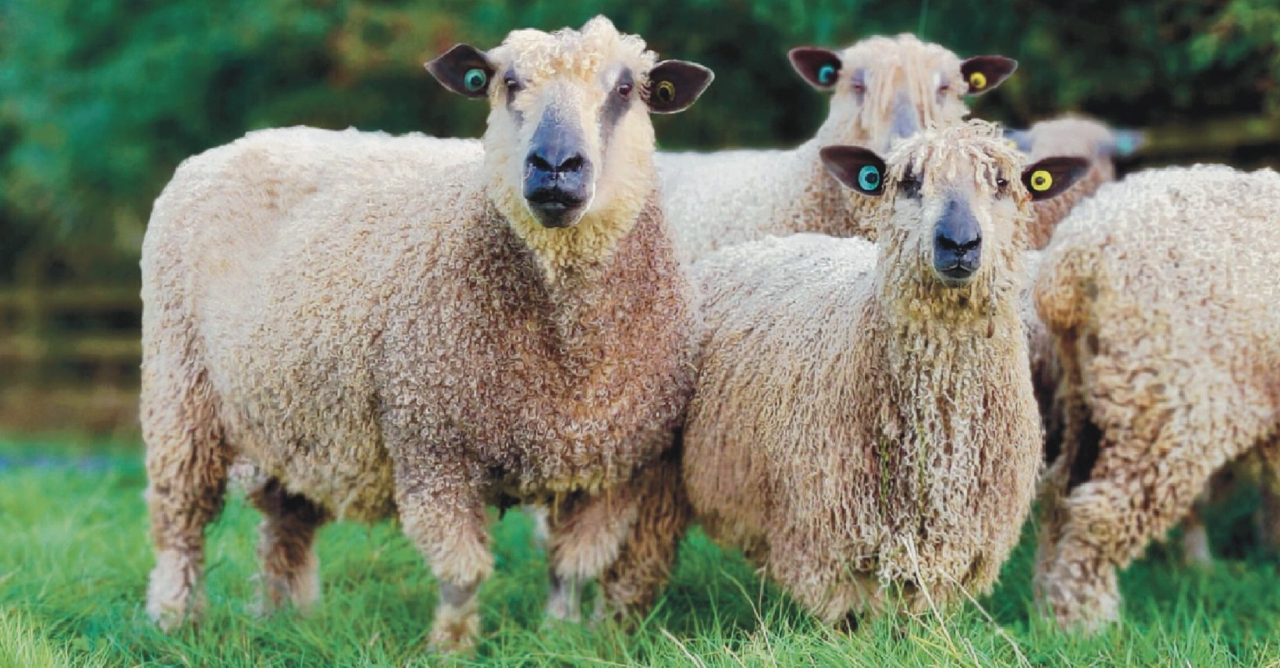
Wensleydale Longwool is a British sheep breed that originated in Wensleydale in North Yorkshire, England. The National Sheep Association describes it as a tall, long-woolled sheep with a blue head, ears and legs that can be difficult to see beneath its substantial white fleece. A separate breed register also recognises black animals, ranging from jet black to silver-grey.
The breed is particularly famous for its fine, long-stapled fleece. The wool has a natural lustre and forms characteristic long locks, giving it an appearance that is quite different from shorter, denser fleeces produced by many other sheep.
Although the name refers to Wensleydale, the breed’s development involved sheep from the wider region. Historical breeding work eventually produced the animal that farmers and breeders recognise today.
History
The story of the breed goes back to nineteenth-century northern England. According to the National Sheep Association, the breed was developed by crossing a now-extinct local longwool type from the River Tees area with a particular Dishley Leicester ram known as “Bluecap.” The first important sire was born in 1839, marking a significant point in the breed’s development.
The name became increasingly associated with Wensleydale as breeders selected animals for useful combinations of size, fleece quality and productive characteristics. The Wensleydale Longwool Sheep Breeders Association was established in 1890, providing an organised structure for maintaining breed standards and promoting the sheep.
Its development also had an influence beyond purebred flocks. The breed’s qualities made it useful for crossing, particularly where farmers wanted to introduce size, wool quality, maternal characteristics or other productive traits into commercial sheep.
Bio Table
| Detail | Information |
|---|---|
| Breed Name | Wensleydale Longwool |
| Origin | Wensleydale, North Yorkshire, England |
| Breed Type | British longwool sheep |
| Main Purpose | Wool and meat production |
| Famous For | Long, lustrous, curly fleece |
| Fleece Colour | Mainly white; black varieties also recognised |
| Notable Feature | Fine, long-stapled wool with natural lustre |
| Development | 19th century |
| Important Sire | “Bluecap” Dishley Leicester ram |
| Breed Association | Wensleydale Longwool Sheep Breeders Association |
| Established | 1890 |
| Uses | Spinning, knitting, weaving, clothing and textiles |
| Category | Agriculture / Livestock / Wool |
Physical Appearance
One of the easiest ways to recognise this sheep is its striking physical appearance. It is a large, tall and strongly built animal, covered by a substantial white fleece. The head, ears and legs have a characteristic blue colouring, although much of the lower body can appear almost hidden by the long wool.
The fleece is one of its most remarkable features. It grows into long, defined locks with a noticeable curl and shine. Black varieties are also recognised, adding another dimension to the breed’s appearance.
The animals are generally polled, meaning they do not have horns. Their tall frame and heavy fleece give them an imposing appearance, especially when viewed alongside smaller native breeds.
Size and Age
There is no single official “standard age” at which an individual animal reaches full maturity because development varies according to sex, genetics, nutrition and management. As a large breed, mature animals develop substantial body size compared with many smaller British sheep.
Age is normally discussed in terms of lambs, hoggs and mature breeding sheep rather than a human-style lifespan. Healthy sheep can remain productive for several years when they receive suitable nutrition, veterinary care and flock management.
For this reason, it would be misleading to give one fixed age or height as though every animal were identical. Individual measurements can vary considerably between rams, ewes and different bloodlines.
The Famous Fleece
The fleece is arguably the defining feature of this breed. Wensleydale wool is known for its length, softness, curl and natural lustre. The National Sheep Association specifically describes the breed as producing a fine, long-stapled fleece.
Long staple length is valuable to spinners and textile makers because the fibres can be processed into distinctive yarns. The natural shine can also give finished products an attractive appearance.
The fleece is generally white in the main breed population, while black Wensleydales are separately recognised. This makes the breed useful not only for traditional white wool but also for specialist fibre enthusiasts interested in naturally coloured fleece.
Wool Uses
The wool has applications in hand spinning, knitting, weaving, clothing, blankets and other textile products. Its long fibres and lustrous character make it particularly interesting to people who enjoy working with traditional natural fibres.
For hand spinners, the fleece offers considerable versatility. It can be prepared and spun in different ways to create yarn with varying textures and levels of definition. The resulting material can retain the characteristic visual appeal associated with the original fleece.
The commercial importance of the wool should not be overlooked. A recent National Sheep Association evidence review included a Wensleydale farming example in which the producer reported receiving substantial value for individual fleeces, demonstrating that quality longwool can have economic value alongside meat production.
Farming Benefits
One major benefit is its dual value for wool and livestock production. Farmers can maintain animals for their fleece while also producing lamb for the meat market.
The breed is also described by the National Sheep Association as large and prolific, with the ability to produce large lambs under a variety of conditions. Its breeding qualities can be useful when Wensleydale rams are used in crossing programmes.
Another advantage is its contribution to breeding diversity. Longwool breeds provide characteristics that may be valuable when combined with other sheep. The National Sheep Association notes that Wensleydale crossing can pass on traits including prolificacy, milkiness and hardiness to breeding females.
Role in Crossbreeding
Crossbreeding is an important part of the breed’s agricultural story. Its characteristics can complement those of hill and upland sheep, helping farmers produce animals suited to different farming environments.
The National Sheep Association identifies Wensleydale among the longwool breeds used in upland sheep systems. Hill breeds can be crossed with longwool types to create productive females and other commercial combinations.
This role helps explain why the breed remains relevant even though purebred numbers are much smaller than those of some mainstream commercial sheep.
Wool and Meat
Although wool is its signature feature, the breed should not be viewed solely as a fibre-producing animal. Its substantial frame gives it a place in meat production too.
The balance between fleece and carcass characteristics makes it interesting for farms seeking more than one source of value. Breed performance naturally varies according to feeding, genetics, pasture, climate and management, so individual results should not be assumed to be identical.
Care and Management
Like other sheep, these animals need suitable grazing, clean water, shelter and regular health management. Their substantial fleece also makes shearing an essential part of responsible husbandry.
Farmers must pay attention to hoof health, parasites, nutrition and general condition. Lambing management is also important, particularly in larger breeding animals where individual flock circumstances can affect outcomes.
Good management is ultimately more important than the breed name alone. Genetics provide potential, but nutrition, pasture quality and day-to-day husbandry determine how successfully that potential is expressed.
Family and Breed Lineage
The word “family” has a different meaning when discussing sheep than when discussing a person. Individual animals have recorded pedigrees and bloodlines rather than celebrity-style family biographies.
The breed’s historical lineage can be traced to the combination of local longwool sheep and the Dishley Leicester ram Bluecap. Modern pedigree breeding continues through specialist breeders and breed registration systems.
This documented ancestry is important because it helps preserve the characteristics that distinguish the breed from other longwool sheep.
Net Worth
A question about “net worth” does not really apply to a sheep breed in the way it applies to a celebrity, company or public personality. There is no official net worth for the breed as a whole.
Individual sheep can have different values depending on pedigree, age, sex, conformation, fleece quality, breeding potential and market conditions. A prize-winning or high-quality breeding animal may command a very different price from an ordinary commercial animal.
Similarly, fleece value can vary according to quality, weight, cleanliness and demand.
Social Media and Public Interest
There is no single official social-media profile representing every animal in the breed. Information is instead shared through breed organisations, agricultural communities, farmers, textile enthusiasts and specialist breeders.
The continued interest in traditional wool also gives this breed an audience beyond farming. Hand spinners, knitters, weavers and natural-fibre enthusiasts often appreciate longwool breeds because their fleeces offer characteristics that are difficult to reproduce with synthetic fibres.
Why It Still Matters
The importance of this breed goes beyond the appearance of its fleece. Britain has a large collection of native and traditional sheep breeds, each adapted through generations of selective breeding to particular landscapes and farming systems. The National Sheep Association notes that the UK has more than 60 pure sheep breeds, illustrating the country’s unusually rich sheep-breeding heritage.
Maintaining breeds such as this one preserves genetic diversity as well as agricultural history. It also keeps specialist wool characteristics available for future farmers, breeders and textile producers.
Final Thoughts
Wensleydale Longwool represents an interesting combination of British farming heritage, productive livestock and specialist natural fibre. Its origins in northern England, association with Wensleydale, distinctive blue colouring and exceptionally long lustrous fleece make it easy to distinguish from many other sheep breeds.
Its value comes from several directions. The fleece is attractive to textile users, while the sheep’s size, prolificacy and crossing potential give it continuing agricultural relevance. Its history, meanwhile, connects modern farming with the breeding traditions of nineteenth-century Yorkshire.
For anyone interested in British sheep, sustainable natural fibres or traditional agriculture, this is a breed worth knowing. Its long wool is certainly its most famous characteristic, but its broader contribution to breeding, farming and genetic diversity is what gives it lasting significance.
