

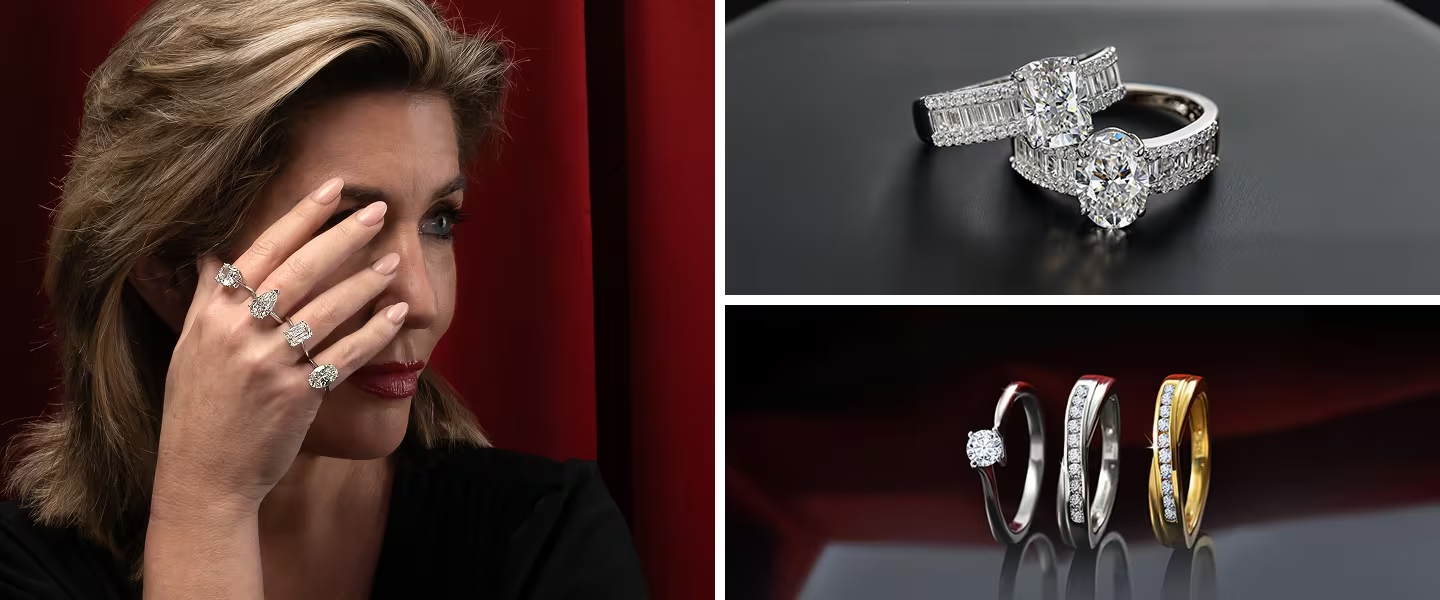
Lab-grown diamonds have transformed the jewelry industry by offering consumers a genuine diamond at a more affordable price. As demand for sustainable and ethically sourced jewelry continues to grow, more shoppers are considering lab-created diamonds for engagement rings, wedding bands, earrings, pendants, and other fine jewelry.
Among the well-known retailers in this space is TJC (The Jewellery Channel), which offers a wide selection of laboratory-created diamond jewelry in different styles and price ranges. TJC lab grown diamonds have become a popular choice for buyers who want the beauty of a natural diamond while staying within budget.
This guide explains what TJC lab grown diamonds are, how they are made, their advantages, certifications, pricing, and everything you should know before making a purchase.
Product Overview
| Feature | Details |
|---|---|
| Brand | TJC (The Jewellery Channel) |
| Product Type | Lab-Grown Diamond Jewellery |
| Diamond Type | Real Laboratory-Created Diamonds |
| Manufacturing Methods | HPHT & CVD |
| Hardness | 10 on the Mohs Scale |
| Available Jewellery | Rings, Earrings, Necklaces, Pendants, Bracelets |
| Certification | Selected pieces certified by recognized gemological laboratories |
| Best For | Engagement, Wedding, Gifts, Daily Wear |
| Price Range | Generally lower than natural diamond jewellery |
What Are TJC Lab Grown Diamonds?
TJC lab grown diamonds are genuine diamonds created inside highly controlled laboratory environments rather than formed naturally beneath the Earth’s surface over billions of years.
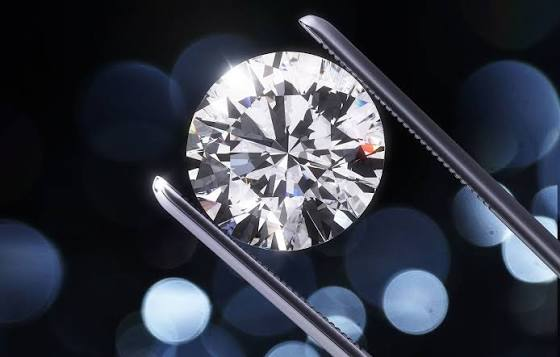
Although their origin differs from mined diamonds, their chemical composition, crystal structure, and physical properties are the same. Both consist of pure carbon arranged in a crystal lattice, making them visually and scientifically identical in most situations.
Professional gemological laboratories can identify whether a diamond is natural or lab-grown using specialized equipment, but to the naked eye they appear virtually identical.
Because they are real diamonds, they display the same brilliance, sparkle, hardness, and durability expected from traditional diamonds.
How Are Lab-Grown Diamonds Made?
Modern technology has made it possible to recreate the natural conditions that produce diamonds.
The first method is High Pressure High Temperature (HPHT). This process recreates the intense pressure and heat found deep inside the Earth, allowing carbon atoms to grow into a diamond crystal over several weeks.
The second method is Chemical Vapor Deposition (CVD). During this process, carbon-rich gases are introduced into a vacuum chamber where carbon atoms gradually build layer upon layer to form a diamond crystal.
Both methods produce authentic diamonds suitable for use in fine jewellery.
Why Are TJC Lab Grown Diamonds So Popular?
Consumers today want jewellery that combines quality, affordability, and responsible sourcing. This is one reason TJC lab grown diamonds have attracted increasing attention.
Unlike many luxury purchases that require a significant financial investment, lab-grown diamonds allow buyers to choose larger stones or better clarity without dramatically increasing their budget.
For couples shopping for engagement rings, this represents excellent value without sacrificing beauty.
Are Lab-Grown Diamonds Real Diamonds?
One of the biggest misconceptions is that lab-grown diamonds are fake.
In reality, they are genuine diamonds.
They possess the same:
- Chemical composition
- Crystal structure
- Hardness
- Fire
- Brilliance
- Durability
The only difference is where they are created.
Natural diamonds develop underground over billions of years, while laboratory diamonds are produced in controlled facilities within weeks.
Quality Standards
Like natural diamonds, TJC lab grown diamonds are evaluated using the internationally recognized 4Cs.
Cut
The cut determines how effectively light reflects through the diamond. A well-cut diamond produces exceptional sparkle and brilliance.
Colour
Most buyers prefer diamonds that appear nearly colourless. Higher colour grades generally command higher prices.
Clarity
Clarity measures internal inclusions and external blemishes. Many lab-grown diamonds achieve impressive clarity because their growth conditions are carefully controlled.
Carat Weight
Carat refers to the weight of the diamond rather than its physical dimensions. Since laboratory diamonds cost less than comparable mined diamonds, buyers often choose a larger carat size within the same budget.
Benefits of Choosing TJC Lab Grown Diamonds
One of the biggest advantages is affordability. Buyers often save a substantial amount compared with purchasing a similar natural diamond.
Another benefit is ethical sourcing. Since laboratory diamonds are grown rather than mined, many customers appreciate knowing their purchase avoids many concerns associated with traditional diamond mining.
Environmental considerations also influence purchasing decisions. Although producing lab-grown diamonds still requires energy, many people view them as having a lower overall environmental impact than conventional mining.
Durability is another important advantage. Because these diamonds score 10 on the Mohs hardness scale, they are suitable for everyday wear and resist scratching better than nearly every other gemstone.
For buyers looking for modern luxury at a sensible price, TJC lab grown diamonds provide an appealing balance of quality and value.
Jewellery Collections Available
TJC offers laboratory-created diamonds across numerous jewellery collections.
Popular options include elegant solitaire engagement rings, classic wedding bands, sparkling stud earrings, tennis bracelets, heart-shaped pendants, halo rings, and timeless necklaces.
These collections are available in different precious metals including gold, white gold, rose gold, platinum, and sterling silver depending on the design.
Whether shopping for a birthday, anniversary, wedding, or personal gift, customers can find styles ranging from traditional elegance to modern minimalism.
How Do They Compare with Natural Diamonds?
When comparing appearance alone, very few people can distinguish a natural diamond from a laboratory-grown diamond.
Both sparkle beautifully under light, both are equally durable, and both are considered genuine diamonds.
The most significant differences involve origin, rarity, and price.
Natural diamonds formed over billions of years beneath the Earth’s surface, making them naturally limited in supply. Laboratory diamonds are created using advanced technology, allowing production to meet growing consumer demand.
As a result, lab-grown diamonds generally cost considerably less than mined diamonds of similar quality.
Who Should Buy Them?
TJC lab grown diamonds are suitable for many different buyers.
Couples searching for engagement rings often appreciate the opportunity to purchase a larger centre stone without exceeding their budget.
First-time jewellery buyers benefit from owning a genuine diamond at a more accessible price point.
Gift shoppers also find lab-grown diamonds appealing because they offer luxury, elegance, and lasting beauty while remaining more affordable than traditional diamond jewellery.
FAQs
Q: Are TJC lab grown diamonds real?
A: Yes, they are genuine diamonds created in a laboratory.
Q: Are they cheaper than natural diamonds?
A: Yes, they usually cost significantly less.
Q: Do they sparkle like mined diamonds?
A: Yes, they have the same brilliance and shine.
Q: Are TJC lab grown diamonds durable?
A: Yes, they have a hardness of 10 on the Mohs scale.
Q: Are they good for engagement rings?
A: Yes, they are a popular and affordable choice.
