

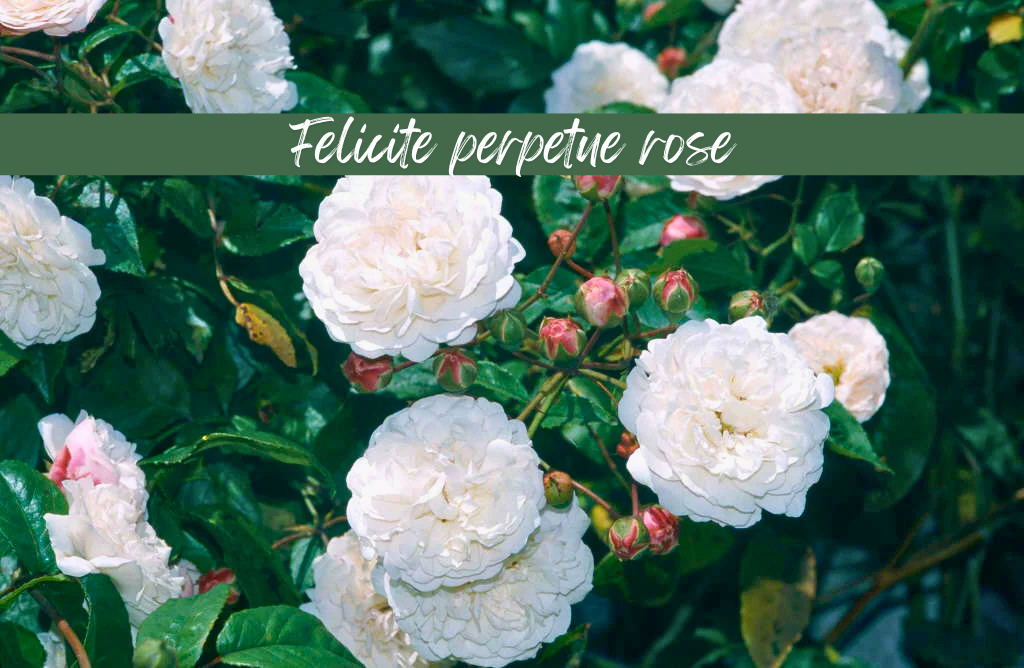
Félicité Perpétue Rose is a historic climbing rose admired for its elegant flowers, gentle fragrance, and timeless beauty. This old garden rose has been loved by gardeners for nearly two centuries because of its romantic appearance and strong growing nature. It is especially popular for covering walls, fences, arches, and pergolas with its graceful branches and beautiful blooms.
Unlike many modern roses created for repeated flowering, this heritage rose represents the charm of traditional gardening. Its history, unique appearance, and reliable growth have helped it remain a favourite among rose collectors and garden enthusiasts around the world.
History and Origin
The story of this rose began in France during the 19th century. It was introduced in 1827 by Antoine Jacques, a talented French gardener who worked for the Duke of Orléans. At that time, gardeners were creating new rose varieties by combining different species to achieve better beauty and stronger growth.
Félicité Perpétue Rose quickly became recognised for its climbing ability and attractive clusters of flowers. It was commonly used in traditional European gardens where gardeners wanted plants that created a soft, elegant, and natural atmosphere.
The name of this rose has an interesting background. Some sources suggest that it may have been inspired by members of Antoine Jacques’ family, while others connect it with Saints Félicité and Perpétue. Over many years, the name became associated with one of the most respected old climbing roses.
| Detail | Information |
|---|---|
| Name | Félicité Perpétue Rose |
| Type | Heritage Climbing Rose |
| Origin | France |
| Introduced | 1827 |
| Age | Around 199 years old |
| Plant Family | Rosaceae |
| Category | Rambler / Climbing Rose |
| Breeder | Antoine Jacques |
| Height | 3–6 metres (10–20 feet) |
| Flower Colour | Creamy White |
| Fragrance | Light Sweet Fragrance |
| Bloom Season | Mainly Once a Year |
| Best Use | Walls, Arches, Pergolas, Gardens |
| Care Level | Moderate |
| Awards | RHS Award of Garden Merit |
| Net Worth | Not Applicable |
| Social Media | No Personal Account |
Plant Family and Classification
From a botanical viewpoint, Félicité Perpétue Rose belongs to the Rosaceae family, which includes many roses and other flowering plants. It is classified as a climbing rambler rose because of its long stems and ability to spread across supporting structures.
This rose has links with Rosa sempervirens, an older climbing rose species known for strong growth and adaptability. It also carries qualities from Noisette roses, especially its ability to produce flowers in groups.
As a heritage rose, it holds special importance among gardeners. Old roses are valued because they preserve the beauty and gardening traditions of earlier generations.
Age and Historical Value
The variety is almost 200 years old, as it was introduced in 1827. This age refers to the rose variety itself rather than a single plant. Individual plants can survive for many years when they receive suitable care and growing conditions.
The long survival of this rose shows its strength and adaptability. Many older varieties disappeared over time, but this one continued to be grown because of its beauty, reliability, and historical importance.
Its value comes from its connection to gardening history rather than financial worth. It allows modern gardeners to enjoy a plant that has been admired since the 19th century.
Physical Appearance
The beauty of this rose comes from its delicate and romantic appearance. The flowers usually begin as soft pink buds before opening into creamy-white blossoms. Each bloom contains many petals, creating a full and elegant shape.
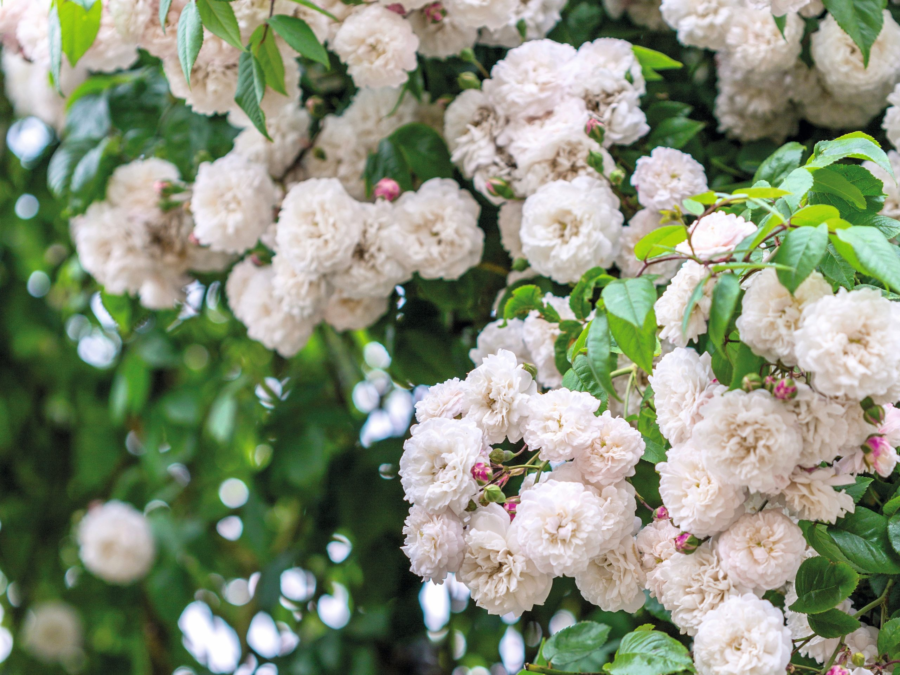
Although the flowers are smaller than some modern roses, they appear in large clusters along the branches. When the plant grows over a wall or garden structure, the many blooms create an impressive natural display.
The fragrance is light, sweet, and pleasant. Its gentle scent adds a peaceful feeling to gardens during the flowering season.
Height and Growth Style
Félicité Perpétue Rose is a vigorous climber that can reach approximately 3 to 6 metres (10 to 20 feet) in height. Its long, flexible stems allow it to cover large areas and create beautiful garden features.
The plant grows best when supported by structures such as fences, arches, pergolas, and walls. Gardeners often guide the branches to achieve better coverage and a balanced appearance.
Because it is a climbing variety, it requires enough space to grow properly. When planted in the right location, it can become a stunning centrepiece in any garden.
Growing Conditions and Care
This historic rose prefers a sunny location where it can receive several hours of sunlight each day. Good sunlight helps produce healthier leaves and better flowering.
It grows well in fertile, well-drained soil. Young plants need regular watering while their roots become established, while mature plants are more tolerant of normal garden conditions.
Pruning should be done carefully because this rose often produces flowers on older wood. Light pruning after flowering helps maintain its shape without removing too many flowering branches.
Flowering and Garden Uses
The flowering season of this rose usually provides one impressive display rather than continuous blooms throughout the year. This traditional flowering style is one of the reasons gardeners appreciate its historic character.
It is commonly planted in cottage gardens, heritage landscapes, and romantic outdoor spaces. Its climbing habit allows it to decorate large structures naturally.
The creamy flowers combine beautifully with other garden plants, including lavender, shrubs, and classic flowering varieties. It adds height, softness, and elegance to outdoor areas.
Family, Lifestyle, and Profile Details
Since this is a plant and not a person, it does not have human details such as parents, siblings, lifestyle, or relationships. Its botanical family is Rosaceae, and its natural lifestyle is that of a long-living climbing garden plant.
There is no personal social media profile, net worth, or celebrity information connected with this rose. However, gardening communities around the world share photographs, planting advice, and growing experiences online.
Market Value and Recognition
A rose variety does not have a net worth like a person or company. Its value comes from its beauty, history, rarity, and importance among gardeners.
The price of this plant depends on factors such as nursery, size, location, and availability. Mature plants may have higher value because they require more time and care to develop.
This rose has also received recognition from gardening experts. It was awarded the Royal Horticultural Society Award of Garden Merit, which highlights plants with excellent garden performance and reliability.
Modern Popularity
Today, Félicité Perpétue Rose continues to attract gardeners who appreciate historic plants. Although it does not have personal social media accounts, it remains popular through gardening websites, plant collections, and online communities.
Its classic flowers and long history make it a favourite choice for people who want to add traditional beauty to modern gardens.
Conclusion
Félicité Perpétue Rose is a remarkable heritage climbing rose with a history dating back to 1827. Its creamy-white flowers, gentle fragrance, and impressive growth have made it one of the most admired old roses in gardening history.
Although it does not have human details such as family, net worth, or social media, its botanical story is fascinating. This beautiful rose continues to connect modern gardeners with the past while bringing elegance and natural beauty to gardens worldwide.
