

Introduction
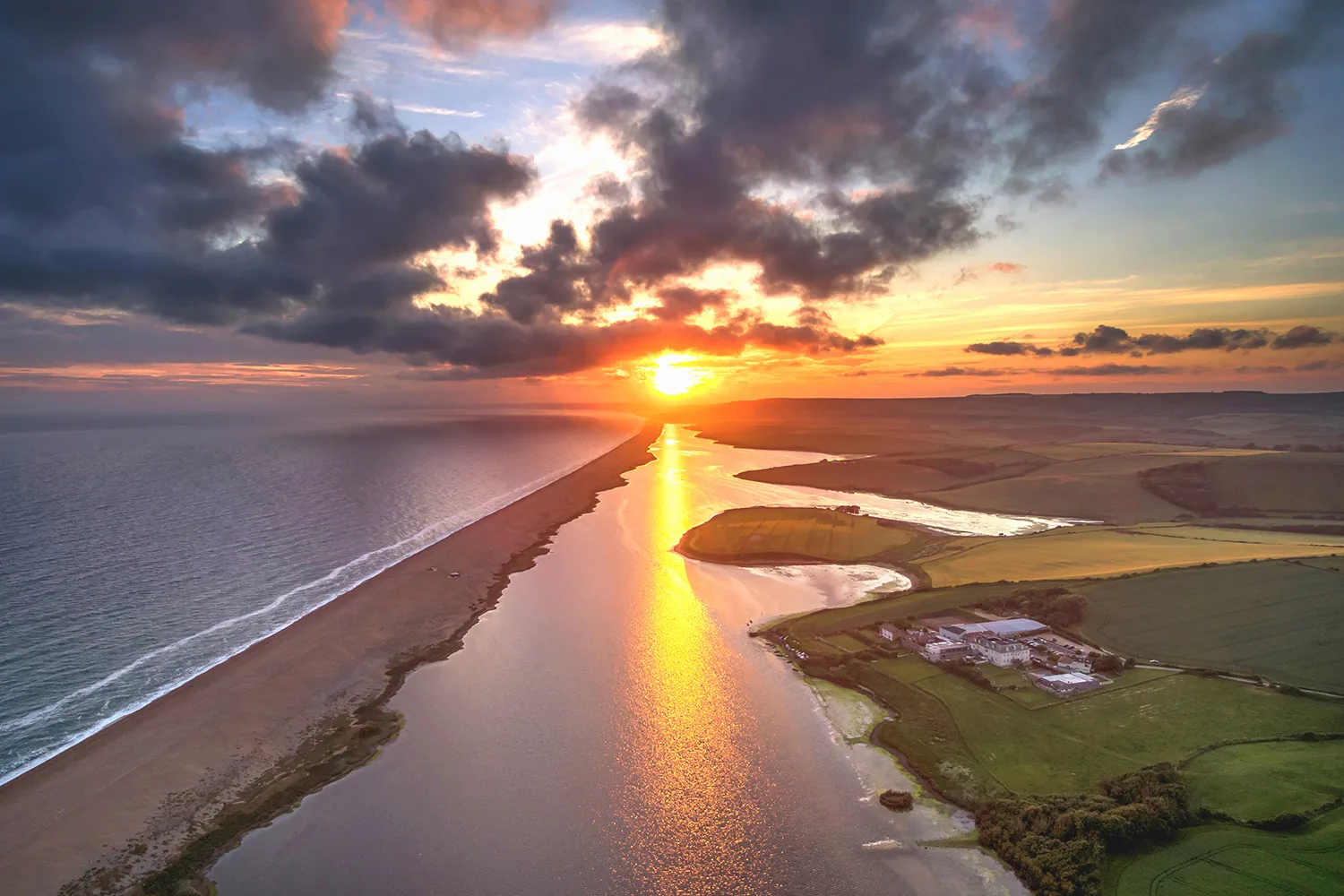
Fleet Lagoon Dorset is one of the most distinctive natural landscapes on England’s south coast. Tucked between the mainland and the famous shingle ridge of Chesil Beach, this long, sheltered body of water creates a landscape that feels very different from the open sea nearby.
The lagoon stretches for approximately 13 kilometres, running from the Ferry Bridge area near Portland towards Abbotsbury. It is widely recognised as England’s largest coastal lagoon, covering roughly 480–495 hectares depending on the boundary used. Its unusual combination of shallow water, shingle, saltmarsh, reedbeds and marine habitats makes it important not only as a beautiful place to visit but also as a nationally and internationally significant wildlife site.
Unlike a conventional lake, this is a coastal environment influenced by seawater. Most of its water exchange takes place through the narrow eastern connection with Portland Harbour, while seawater also moves through the shingle barrier of Chesil Beach. Natural England describes it as the largest example of a lagoonal habitat in England.
Where It Is
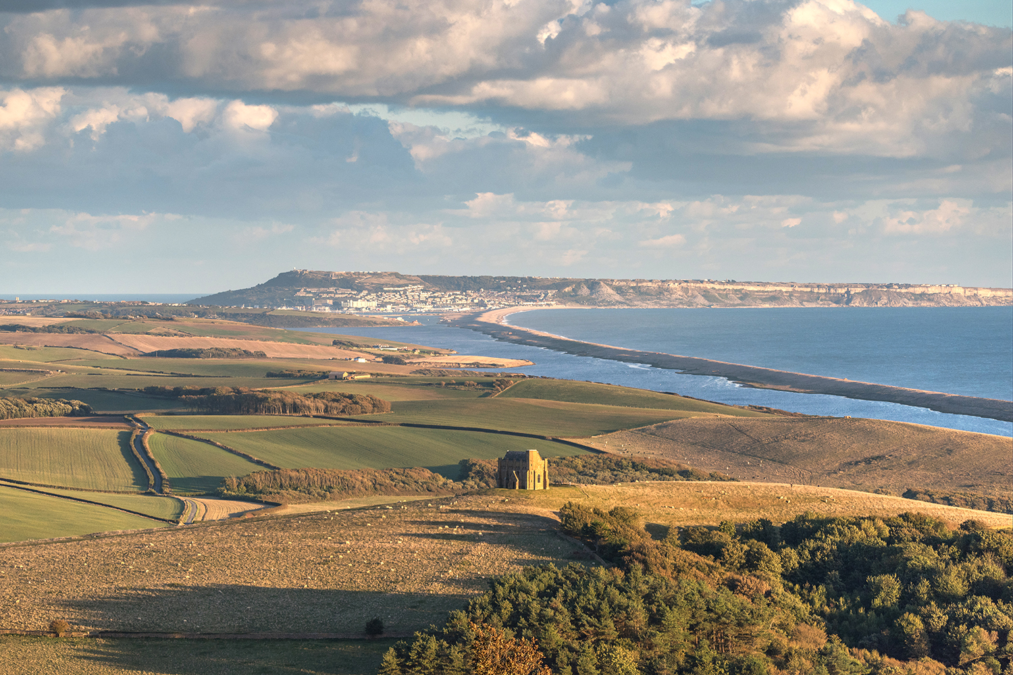
The Fleet Lagoon sits along Dorset’s Jurassic Coast, with Chesil Beach forming the barrier between the lagoon and the English Channel. The landscape extends from around Ferry Bridge in the east towards Abbotsbury in the west, creating an unusually long and narrow coastal setting.
Its location makes it an appealing stop for people exploring Dorset because several famous attractions are close by. Chesil Beach, the Isle of Portland, Abbotsbury and sections of the South West Coast Path are all part of the wider landscape.
For visitors, the lagoon offers something quieter than many of Dorset’s busier seaside destinations. The sheltered water, open views and surrounding countryside create an atmosphere suited to walking, photography and wildlife watching. West Dorset Leisure Holidays similarly highlights the area as a peaceful place for scenic walks, picnics and observing nature.
How It Was Formed
The story of this landscape is closely connected to coastal change. Chesil Beach is a remarkable shingle barrier that developed through long-term movement and deposition of coastal sediments. Behind it, the sheltered waters gradually developed the characteristics of a coastal lagoon.
The result is an environment where the sea still plays an important role, but where conditions are considerably calmer than on the exposed coast. Natural England explains that the Fleet has characteristics of both a lagoonal inlet and a percolation lagoon. Water can pass through the shingle barrier, while the principal exchange occurs through the narrow channel connecting the lagoon with Portland Harbour.
This unusual arrangement also explains why the lagoon has its own ecological character. Water movement, salinity and temperature differ from conditions in the open sea, creating opportunities for plants and animals adapted to lagoon environments.
Bio Table
| Detail | Information |
|---|---|
| Name | Fleet Lagoon |
| Location | Dorset, England |
| Type | Coastal lagoon |
| Length | Approximately 13 km |
| Area | Around 480–495 hectares |
| Associated landmark | Chesil Beach |
| Nearby attraction | Abbotsbury Swannery |
| Wildlife | Birds, fish, seagrass and specialist lagoon species |
| Conservation | SAC, SPA, Ramsar and SSSI protections |
| Best for | Nature, wildlife, walking, photography and coastal scenery |
A Rich Wildlife Habitat
One of the greatest attractions of Fleet Lagoon Dorset is its wildlife. The sheltered water provides feeding and resting habitat for numerous birds, while the shallow areas support aquatic plants and small marine creatures.
Dorset’s Marine Protected Areas information identifies species including Brent geese, little terns, wigeon, pochard and coots in the wider lagoon environment. Ospreys can also occasionally be seen passing through. The nearby Abbotsbury Swannery adds another famous wildlife experience to the area.
The lagoon is not valuable only because of its birds. Its waters and margins support seagrasses, stoneworts, saltmarsh vegetation and specialist lagoon species. Dorset’s marine information also identifies the rare DeFolin’s lagoon snail, lagoon sandworms and lagoon sand shrimps among the species associated with the protected environment.
Marine Life
The sheltered conditions also make the lagoon an important nursery environment for fish. Species recorded in the area include bass, black bream, sand smelt, mullets and gobies.
This nursery role is significant because young fish need protected environments where they can feed and grow before moving into more exposed marine waters. The Fleet therefore contributes to the wider coastal ecosystem rather than functioning as an isolated body of water.
There is still some fishing activity in the lagoon, although it is limited and controlled. Dorset’s Marine Protected Areas information records small-scale commercial fishing for species such as grey mullet, with occasional catches of herring and mackerel, as well as a small fishery for European eel.
Plants Beneath the Water
The underwater plant communities are another reason this landscape is scientifically important. Natural England records extensive populations of eelgrass from the Zostera group and several species of tasselweed, including the relatively rare spiral tasselweed.
These plants provide habitat and shelter for smaller marine organisms while contributing to the overall ecological health of the lagoon. The unusual salinity conditions are particularly important because different parts of the lagoon experience different levels of saltiness.
Natural England notes that most of the lagoon is fully saline because freshwater input is relatively low, while the western section has reduced salinity. This gradient helps create a variety of habitats within a relatively compact area.
Chesil Beach Connection
It is impossible to understand the lagoon without appreciating Chesil Beach. The enormous shingle barrier protects much of the water from the direct force of the English Channel, giving the lagoon its calm character.
Chesil Beach itself is approximately 29 kilometres long and is one of Dorset’s most recognisable geological and coastal features. Dorset Council describes the wider protected area as a combination of a long shingle storm beach and the lagoon behind it.
The contrast is striking. On one side is the exposed English Channel, where waves and weather can be powerful. On the other is a relatively sheltered lagoon containing shallow water, mudflats, saltmarsh and reedbeds.
A Place for Walks
For visitors, walking is one of the simplest ways to appreciate the landscape. The surrounding coastal routes provide views across the water towards Chesil Beach, while nearby sections of the South West Coast Path offer opportunities to experience the wider Jurassic Coast.
A walk here can feel very different depending on the weather and season. On a calm day, the water can appear almost lake-like. In winter, the landscape becomes particularly atmospheric, with migrating and overwintering birds adding movement to the otherwise peaceful surroundings.
Photography is another natural activity. The combination of water, shingle, distant hills, wildlife and changing coastal light creates plenty of opportunities for landscape photography.
Conservation Status
The ecological importance of the area means that conservation is central to its future. Chesil Beach and the Fleet are protected through several designations, including Special Area of Conservation (SAC), Special Protection Area (SPA) and Ramsar status.
These designations recognise the importance of the habitats and species found here. The Joint Nature Conservation Committee identifies coastal lagoons as a priority habitat and specifically describes this site as England’s largest lagoonal example.
Protection is particularly important because natural habitats can be affected by recreational pressure. Dorset Council notes concerns including trampling and disturbance to species such as little terns, as well as pressure on overwintering birds.
Visiting Responsibly
Anyone visiting Fleet Lagoon Dorset should treat the area as a protected natural environment rather than simply as another recreational beach.
Visitors should follow local signs, respect seasonal restrictions and avoid disturbing birds or other wildlife. Dogs should be managed responsibly where restrictions apply, particularly around sensitive nesting and feeding areas.
Water-based activities may also be subject to restrictions in particular locations or periods. These rules are not designed to prevent people enjoying the landscape; they help ensure that visitors and wildlife can continue to share the area without damaging its fragile habitats.
Nearby Abbotsbury
One of the best-known attractions associated with the lagoon is Abbotsbury Swannery. The swannery has a long history and provides visitors with an opportunity to see mute swans in a setting directly connected with the wider Fleet ecosystem.
Abbotsbury itself is also worth exploring, with its historic village character and surrounding countryside adding another dimension to a visit. Combining the lagoon with Abbotsbury can make for a rewarding day in this part of Dorset.
Fishing and Local History
The lagoon also has a human story. Fishing has taken place along this coastline for generations, and Dorset’s Marine Protected Areas information describes historic lerrets, distinctive flat-bottomed fishing boats once used by local fishermen.
These boats were particularly suited to launching from Chesil Beach. Their design allowed fishermen to work with seine nets and also gave them stability in difficult conditions. Historically, local crews could even risk launching into rough seas to help rescue people in trouble.
Today, commercial fishing is much more limited, reflecting both changing coastal industries and the need to protect the lagoon’s sensitive ecology.
Is It Worth Visiting?
For anyone interested in Dorset’s natural scenery, Fleet Lagoon Dorset is certainly worth including on a coastal itinerary. It does not rely on amusement attractions or busy entertainment to make an impression. Its appeal comes from the landscape itself.
The combination of Chesil Beach, calm lagoon waters, wildlife, coastal vegetation and Jurassic Coast scenery gives the area a character that is difficult to reproduce elsewhere.
It is particularly suitable for visitors who enjoy quiet walks, birdwatching, photography, geology and nature. Those looking for a traditional swimming beach may prefer other Dorset locations, but anyone wanting to understand the natural side of the county will find plenty to appreciate here.
Final Thoughts
Fleet Lagoon Dorset is one of England’s most fascinating coastal environments because so many different natural features exist together in one place. Its sheltered lagoon, immense shingle barrier and internationally important wildlife habitats form an ecosystem that is both beautiful and scientifically valuable.
The lagoon has no conventional profile of a person or organisation—there is therefore no meaningful age, height, family, physical appearance or net worth to report. Those details sometimes appear in celebrity-style articles, but they do not apply to a natural geographical feature. Likewise, there is no personal social-media profile belonging to the lagoon itself.
What can be measured is its remarkable physical and ecological character: around 13 kilometres in length, approximately 480–495 hectares, and recognised as England’s largest coastal lagoon.
Its real value lies in the relationship between land, sea, wildlife and people. From the shingle of Chesil Beach to the eelgrass beneath the water and the birds feeding along its margins, the area demonstrates how a protected coastal landscape can support both nature and responsible tourism.
For travellers exploring Dorset, it is a place to slow down, look closely and appreciate the quieter side of the Jurassic Coast.
