

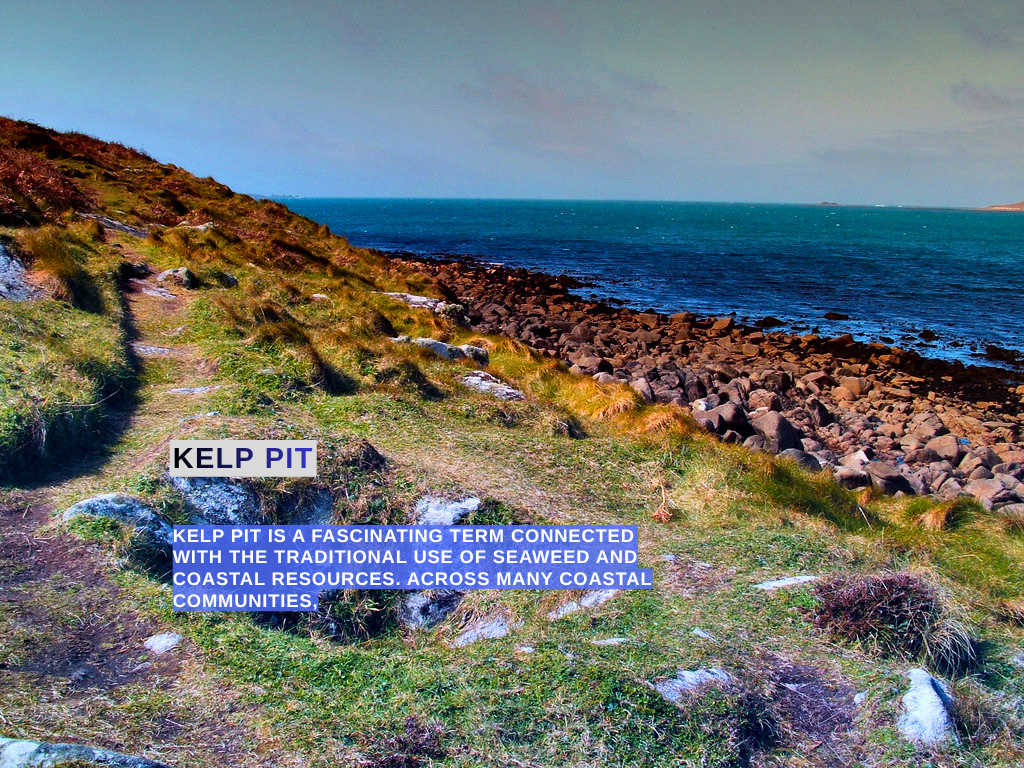
Kelp pit is a fascinating term connected with the traditional use of seaweed and coastal resources. Across many coastal communities, kelp has played an important role in daily life, agriculture, industry, and environmental studies. From providing natural materials for local crafts to supporting new ideas in sustainable production, kelp has become a valuable part of discussions about the relationship between people and the ocean.
Although the phrase kelp pit may sound unusual, it connects with older coastal practices where seaweed was collected, stored, processed, or transformed for different purposes. Communities living near the sea have depended on marine plants for generations, using them as natural fertilizers, fuel sources, and materials for creative projects.
The History Behind Kelp Use
For centuries, coastal societies have collected kelp and other seaweeds because of their many useful properties. In places with strong fishing traditions, seaweed was often gathered from beaches after storms or harvested from shallow waters. People understood that these ocean plants could provide valuable nutrients and support farming activities.
Historically, kelp was especially important in regions where farmers needed natural ways to improve soil quality. Seaweed contains minerals and nutrients that can help plants grow, making it a useful organic fertilizer. Farmers often carried seaweed from the shore to fields, where it helped improve the condition of the land.
The idea behind a kelp pit reflects these traditional connections between coastal communities and natural resources. It represents a place where seaweed could be stored, managed, or prepared before being used for different purposes.
Kelp and Sustainable Production
Today, kelp is receiving more attention because of growing interest in environmentally friendly materials. Scientists and artists are exploring ways to use seaweed in sustainable products, reducing dependence on materials that create more pollution.
One interesting area of research involves combining natural resources with traditional craftsmanship. Coastal projects have explored how materials from the sea, including seaweed and sand, can inspire new forms of glass production and artistic creation. These experiments show how local environments can influence innovation.
The use of kelp also supports the idea of a circular economy, where natural materials are reused instead of wasted. Instead of viewing seaweed as unwanted beach debris, many researchers see it as a resource with valuable possibilities.
Environmental Benefits of Kelp
Kelp forests are among the most productive ecosystems in the ocean. They provide shelter and food for many marine species, including fish, small organisms, and other sea creatures. Healthy kelp areas contribute to ocean biodiversity and help maintain balanced marine environments.
Kelp also plays a role in absorbing carbon dioxide from the atmosphere. Through natural growth processes, kelp captures carbon and helps reduce some impacts of climate change. Because of this, marine scientists continue studying kelp ecosystems and their potential contribution to climate solutions.
However, kelp forests face challenges from rising ocean temperatures, pollution, and changes in marine conditions. Protecting these underwater forests is important for maintaining healthy oceans.

Traditional Coastal Communities and Kelp
Many coastal communities have developed strong cultural relationships with seaweed. Generations of families have passed down knowledge about collecting, drying, and using marine plants. These traditions show how humans can work with nature while respecting ocean resources.
In some areas, seaweed gathering remains an important seasonal activity. Families and local workers collect different types of seaweed for food products, farming, cosmetics, and industrial uses.
The story of kelp pit connects with this wider history because it represents the practical relationship between coastal people and the natural world around them. It reminds us that simple materials from the ocean can have significant cultural and economic value.
Kelp in Modern Industries
Modern industries are discovering new applications for kelp. Seaweed-based ingredients are now used in areas such as food production, skincare, biotechnology, and renewable materials.
Researchers are investigating seaweed as a possible alternative material for packaging because some seaweed-based products can reduce the need for traditional plastics. This development has increased interest in responsible seaweed farming and harvesting methods.
The popularity of kelp-based products also shows how traditional knowledge and modern science can work together. Ancient coastal practices provide inspiration, while new technology helps improve sustainable solutions.
Art, Creativity, and Kelp Projects
Beyond industry and science, kelp has also inspired artists and creative communities. Natural materials from coastal landscapes often become part of artworks that tell stories about the environment.
Projects involving seaweed, sand, and glass highlight the connection between human creativity and natural surroundings. Artists often use local materials to create pieces that reflect the history, beauty, and challenges of coastal regions.
These projects help people understand the importance of protecting natural resources. They transform ordinary materials into meaningful expressions of environmental awareness.
The Future of Kelp Research
The future of kelp research looks promising as scientists continue exploring its environmental and commercial possibilities. Sustainable kelp farming, ocean restoration projects, and new seaweed-based materials are areas receiving increasing attention.
As interest grows, responsible management will become essential. Harvesting too much kelp without proper planning can damage marine ecosystems, so balance is necessary.
The story connected with kelp pit represents a larger conversation about how humans use natural resources. It highlights the importance of respecting the ocean while finding creative ways to benefit from its resources.
Conclusion
Kelp pit represents more than just a term connected with seaweed. It reflects centuries of coastal traditions, environmental knowledge, and modern innovation. From supporting agriculture to inspiring artistic projects, kelp has a unique role in human history and future sustainability.
As communities continue searching for greener solutions, kelp remains an important natural resource. Understanding its value helps us appreciate the connection between oceans, people, and the environment. By protecting marine ecosystems and using resources responsibly, we can ensure that kelp continues to support future generations.
FAQs
Q: What is kelp pit?
A: Kelp pit refers to a traditional or practical method connected with storing, processing, or using seaweed in coastal communities.
Q: How is kelp used today?
A: Kelp is used in food, farming, skincare, research, and sustainable material production because of its natural benefits.
Q: Why is kelp important for the environment?
A: Kelp supports marine life, improves ocean ecosystems, and helps absorb carbon dioxide from the atmosphere.
Q: Is kelp pit connected to coastal traditions?
A: Yes, kelp pit reflects the historic relationship between coastal communities and the natural resources of the sea.
Q: Can kelp help create sustainable products?
A: Yes, kelp is being researched for eco-friendly materials, including alternatives to traditional industrial products.
