

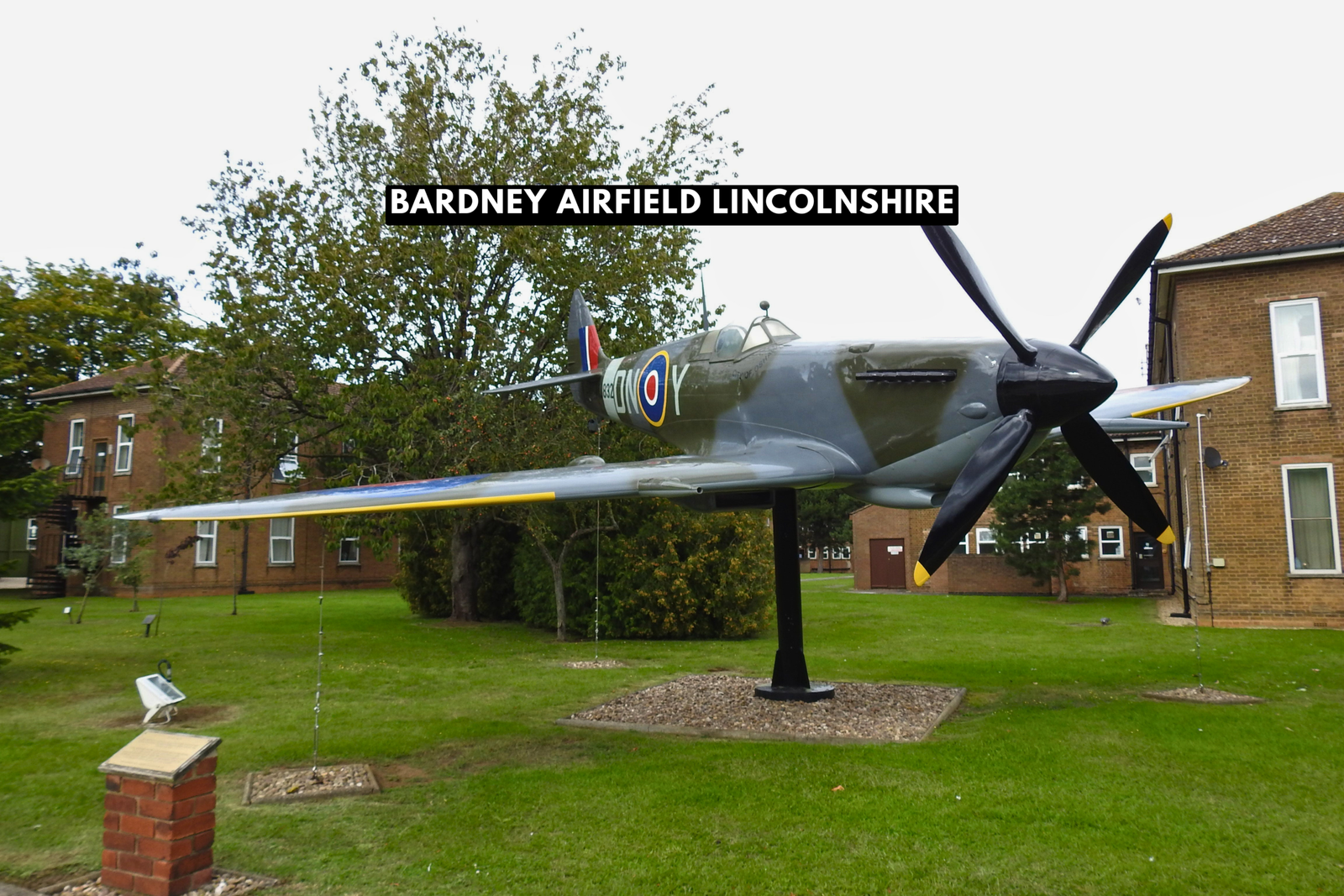
Bardney Airfield Lincolnshire was an important Royal Air Force station built during the Second World War. Located near the village of Bardney in Lincolnshire, the former airfield became part of the county’s famous wartime aviation history. Lincolnshire was known as “Bomber County” because it contained many RAF stations that supported Britain’s bombing campaigns during the war.
Although the airfield is no longer active, its history continues to interest aviation lovers and historians. The site once supported brave air crews, engineers, mechanics, and many other workers who played their part in wartime operations. Its story reflects courage, teamwork, and the sacrifices made by thousands of people during one of the most challenging periods in history.
The Creation of the Airfield
During World War II, Britain needed more air bases to support the growing strength of the Royal Air Force. Lincolnshire was chosen as a major location because its flat countryside was ideal for building large runways and military facilities.
The airfield was developed as part of a national programme to increase Britain’s bomber power. It was built with long concrete runways, aircraft parking areas, maintenance buildings, storage areas, and accommodation blocks for RAF personnel.
The station opened in 1943 and became an important part of RAF Bomber Command. The arrival of aircraft and service members brought major changes to the local area, creating a strong connection between the RAF and nearby communities.
Life at the Wartime Station
Daily life at the station was busy and highly organised. Every mission required careful preparation, including aircraft checks, route planning, equipment loading, and crew briefings. The success of each operation depended on the teamwork of many people.
Bomber crews had different responsibilities during flights. Pilots controlled the aircraft, navigators planned routes, wireless operators handled communications, engineers monitored aircraft systems, and gunners protected the bomber from enemy threats.
The work of ground crews was equally important. Mechanics repaired aircraft, technicians inspected engines, and support teams prepared everything needed for missions. Without their efforts, the aircraft could not have operated successfully.
| Category | Details |
|---|---|
| Name | Bardney Airfield (RAF Bardney) |
| Location | Near Bardney, Lincolnshire, England |
| Type | Former Royal Air Force Bomber Station |
| Opened | 1943 |
| Main Use | World War II bomber operations |
| Command | RAF Bomber Command (No. 5 Group) |
| Famous Aircraft | Avro Lancaster Bomber |
| Main Role | Long-range bombing missions |
| Active Period | 1943–1963 |
| Closed | 1963 |
| Historical Importance | Part of Lincolnshire’s wartime aviation heritage |
| Current Status | Former airfield, partly agricultural land |
| Legacy | Remembered for RAF crews and wartime operations |
The Lancaster Bomber Connection
The Avro Lancaster was one of the most famous aircraft connected with RAF bomber operations during World War II. Known for its strength and long-range ability, the Lancaster became a symbol of Britain’s air campaign.
These aircraft were designed for difficult missions over enemy territory. Crews faced dangerous conditions, including poor weather, enemy aircraft, and anti-aircraft fire. Many missions required great skill, courage, and determination.
The connection between Lancaster bombers and Lincolnshire airfields remains an important part of aviation heritage. Today, museums and historical organisations continue to share stories about these aircraft and the people who flew them.
The Role of RAF Bomber Command
RAF Bomber Command played a major role in Britain’s wartime strategy. Its aircraft carried out missions against important enemy targets, and stations throughout Lincolnshire provided essential support for these operations.
The crews who served at these bases faced enormous risks. Many young airmen completed missions knowing they might not return. Their bravery and dedication became an important part of Britain’s wartime history.
Remembering these operations is important because it highlights the human side of war. Behind every mission were individuals with families, dreams, and personal stories that deserve recognition.
The People Behind the Airfield
An RAF station was not only a place for aircraft; it was also a community of people working together. Pilots, engineers, administrators, cooks, medical staff, and many others all contributed to daily operations.
Many service members came from different parts of Britain and other countries. They shared difficult experiences, built friendships, and created memories that lasted throughout their lives.
The local population also became connected with the station. Residents witnessed the arrival of RAF personnel and aircraft while supporting the activities taking place in their communities.
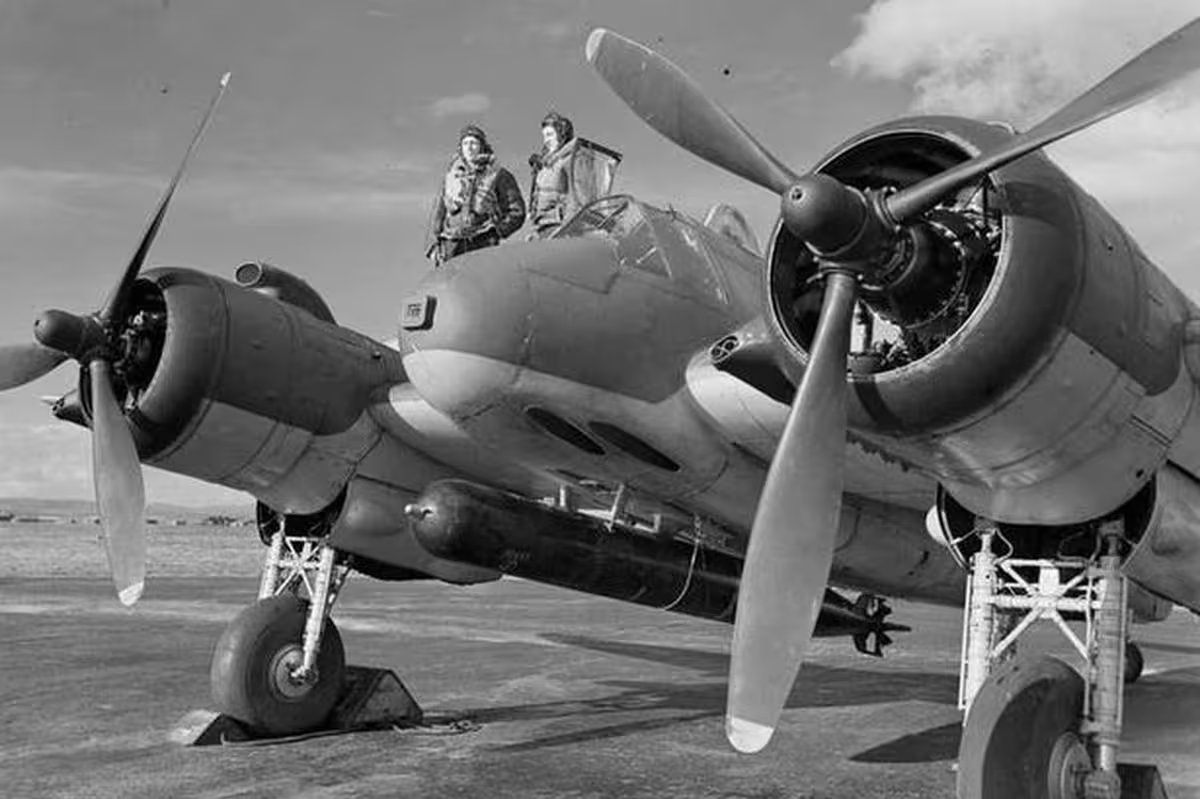
After the War and Cold War Years
When World War II ended, many RAF stations changed their roles. Some closed completely, while others continued to support Britain’s defence needs.
The former airfield remained useful after the war and was used for different military purposes. During the Cold War period, it became connected with defence activities that reflected the changing nature of international security.
This period added another chapter to its history. Although the main bomber operations had ended, the location continued to have strategic value for several years.
Closure of the Station
As aircraft technology developed, many older RAF stations became less necessary. Modern aircraft, new defence systems, and changing military plans reduced the need for some wartime bases.
The station eventually closed during the 1960s, ending its official military role. After closure, much of the land returned to farming, while some remaining structures were adapted for other uses.
Even after military operations ended, the history of the site remained important. Documents, photographs, and surviving buildings helped preserve memories of the people who once worked there.
The Airfield Today
Today, the former site is mainly used for agricultural and private purposes. Some parts of the original layout can still be recognised, offering clues about its wartime past.
Historians and aviation enthusiasts continue to study the location because it represents an important period in British aviation history. The remaining features provide a link between the present and the generations who served there.
The site is also part of Lincolnshire’s wider aviation heritage. The county continues to be recognised for its large number of historic RAF stations and its important contribution during World War II.
Why Its History Is Important
The history of Bardney Airfield Lincolnshire is about much more than runways and aircraft. It tells the story of ordinary people who performed extraordinary tasks during a difficult time.
Learning about former RAF stations helps younger generations understand the courage and teamwork required during wartime. These locations preserve memories of pilots, ground workers, families, and communities.
Protecting this history ensures that future generations can appreciate the sacrifices made by those who served. The lessons from these places continue to have meaning today.
Final Thoughts
Bardney Airfield Lincolnshire remains an important part of Britain’s aviation heritage. From its wartime role with RAF Bomber Command to its later defence activities, the station contributed to significant moments in history.
Although the sound of Lancaster bombers has disappeared from its skies, the memory of the people who served there continues. Through historical research and local interest, the legacy of this former RAF station remains alive for future generations.
